Third-party loose sheets require reliable nexus before supporting unexplained expenditure additions; presumptions do not establish payer identity or o...
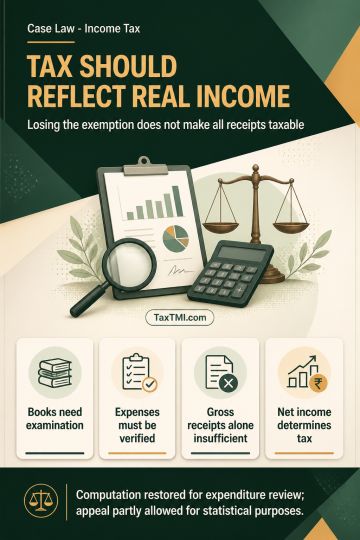
TNMM comparability using audited accounts and working-capital adjustments can eliminate unwarranted transfer-pricing additions where verified margins ...
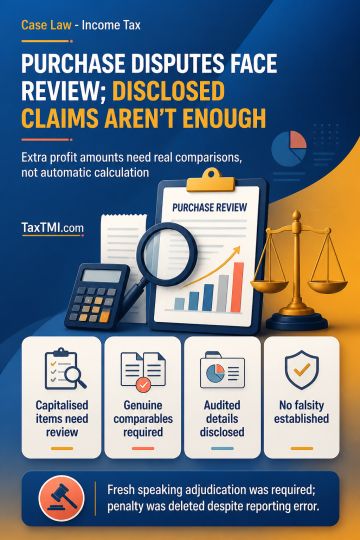
Gross-profit additions on disputed purchases require reasoned appellate determination; disclosed claims alone do not support inaccurate-particulars pe...
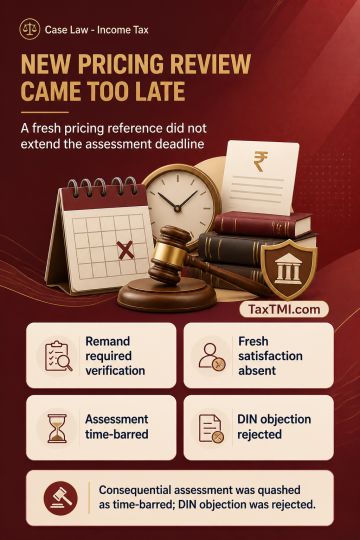
Limitation after transfer-pricing remand: fresh TPO reference did not extend the assessment deadline, rendering the consequential assessment time-barr...
Interim judicial restraint on tax deduction prevents default, while supporting reasonable cause and penalty deletion for foreign-leg LFC reimbursement...
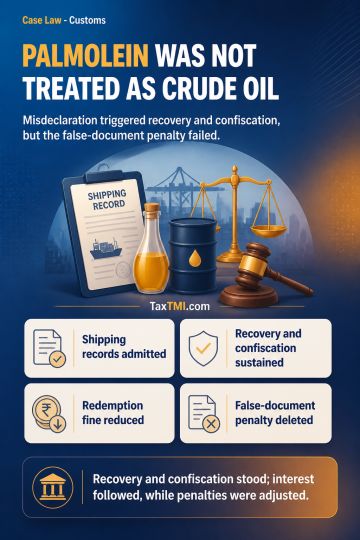
Palmolein classification defeated the crude-oil concession; material misdeclaration sustained recovery and confiscation, while separate false-document...
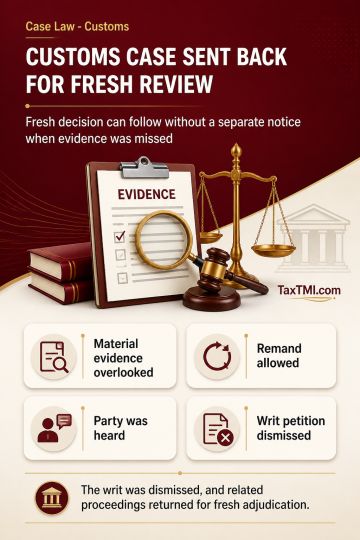
The Madhya Pradesh High Court considered the maintainability of a petition regarding the recovery of short paid Central Excise Duty. The court noted that the availability of an alternative remedy does not automatically bar the filing of a writ petition, as it depends on the specific circumstances of each case. Citing a Supreme Court judgment, the court emphasized that the doctrine of alternative remedy is a matter of policy and discretion rather than a strict legal rule. The petitioner was found to have been denied the necessary documents and a fair hearing, leading to a violation of principles of natural justice. As a result, the court set aside the final order of recovery and remanded the matter back to the authority for fresh adjudication, allowing the petition by way of remand.
The Madhya Pradesh High Court considered the maintainability of a petition regarding the recovery of short paid Central Excise Duty. The court noted that the availability of an alternative remedy does not automatically bar the filing of a writ petition, as it depends on the specific circumstances of each case. Citing a Supreme Court judgment, the court emphasized that the doctrine of alternative remedy is a matter of policy and discretion rather than a strict legal rule. The petitioner was found to have been denied the necessary documents and a fair hearing, leading to a violation of principles of natural justice. As a result, the court set aside the final order of recovery and remanded the matter back to the authority for fresh adjudication, allowing the petition by way of remand.
Note: It is a system-generated summary and is for quick reference only.
 TaxTMI
  TaxTMI
 of 4891