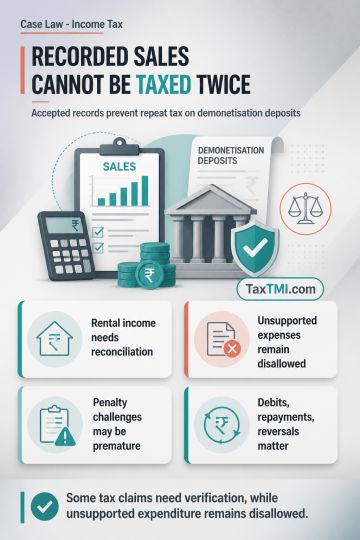
Capital-gains exemption for charitable trusts extends to qualifying fixed deposits, while unrecoverable TDS write-offs may constitute income applicati...
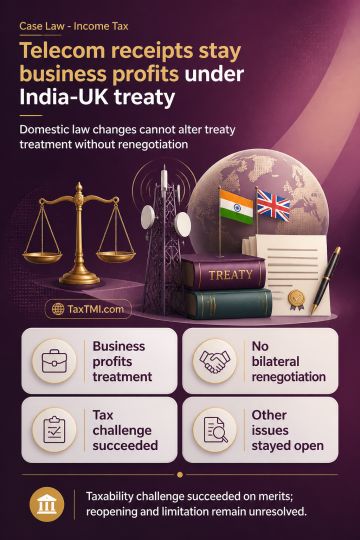
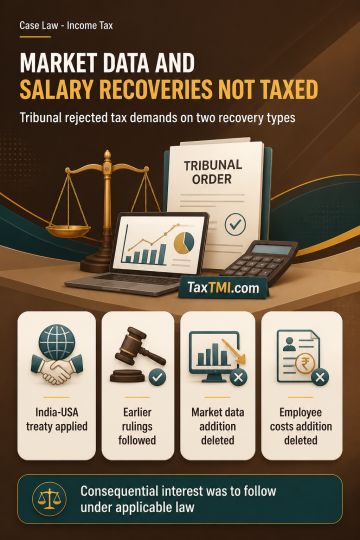
India-UK treaty characterisation of telecom-service receipts as business profits withstands unilateral domestic-law amendments for Indian tax purposes...
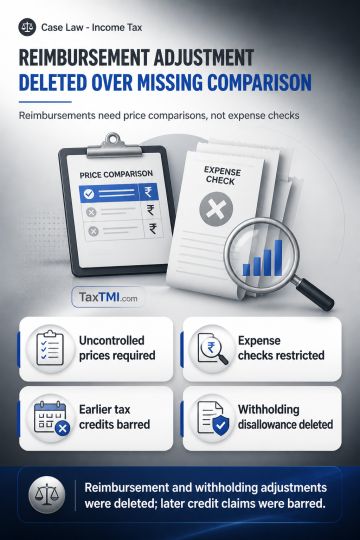
Transfer-pricing reimbursement adjustments require uncontrolled comparables and cannot become expense-genuineness reviews, resulting in deletion of th...
The case involves a dispute over a refund claim (of Cenvat Credit) filed by the appellant beyond the time limit. The Assistant Commissioner stated that the refund was sanctioned earlier, but the appellant did not utilize the remedy u/s 35 of the Central Excise Act within the stipulated time. The communication from the Assistant Commissioner was deemed appealable based on precedent. The appellant's refund claim was filed before the introduction of GST, and the order allowing the refund implied it should be in cash. The Commissioner (Appeals) erred in deeming the appeal non-maintainable, and the jurisdictional authorities were directed to implement the refund order in cash u/s 142(3) and 142(6) of the CGST Act. The appeal was allowed.
The case involves a dispute over a refund claim (of Cenvat Credit) filed by the appellant beyond the time limit. The Assistant Commissioner stated that the refund was sanctioned earlier, but the appellant did not utilize the remedy u/s 35 of the Central Excise Act within the stipulated time. The communication from the Assistant Commissioner was deemed appealable based on precedent. The appellant's refund claim was filed before the introduction of GST, and the order allowing the refund implied it should be in cash. The Commissioner (Appeals) erred in deeming the appeal non-maintainable, and the jurisdictional authorities were directed to implement the refund order in cash u/s 142(3) and 142(6) of the CGST Act. The appeal was allowed.
Note: It is a system-generated summary and is for quick reference only.
 TaxTMI
  TaxTMI
 of 4913