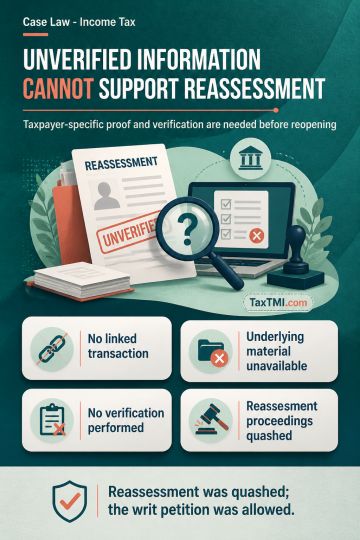
Unverified Insight Portal Information Cannot Justify Reassessment Without a Verified Taxpayer-Specific Income-Escape Nexus or Demonstrated Application...
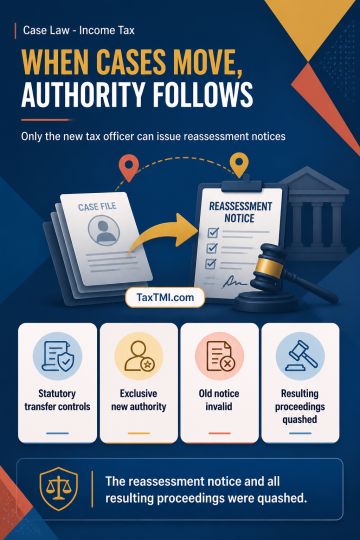
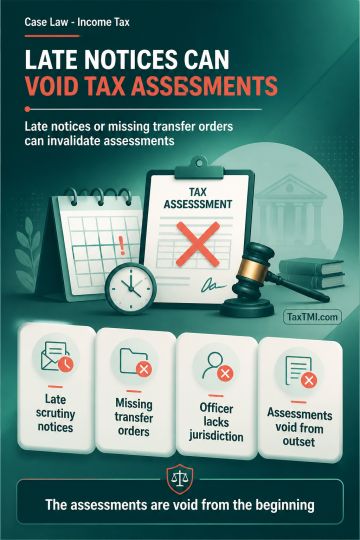
Assessing Officer jurisdiction after statutory transfer invalidates reassessment notices issued by transferor officers and nullifies resulting proceed...
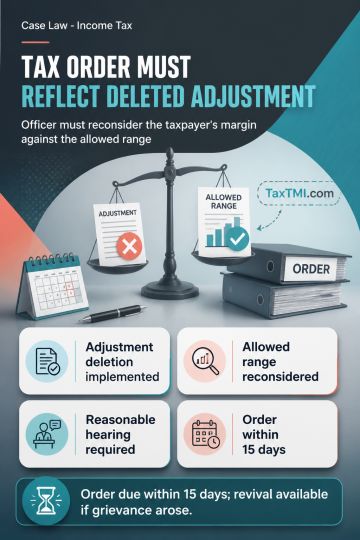
Consequential appeal-effect orders must implement rectification deleting working-capital adjustments and reconsider the resulting arm's-length range c...
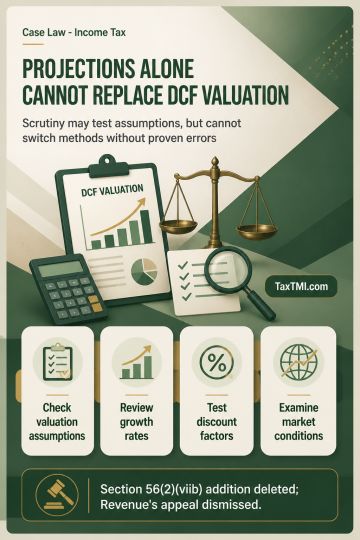
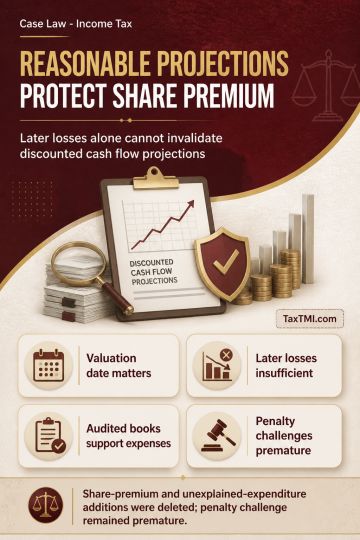
Discounted cash flow valuation protects share premium where projections are reasonable, while audited book expenses defeat unexplained-expenditure add...
Section 54 construction relief survives pre-transfer commencement when completion occurs within the statutory period, excluding ineligible spouse-owne...
The ITAT Kolkata held that the addition on a protective basis made by the Assessing Officer in the hands of the assessee, concerning a loan received from a director and relatives, was not sustainable. The LTCG earned by the loan creditors from share transactions in penny stock companies was the subject of substantive additions in the creditors' cases. Three creditors accepted the additions and paid taxes under Vivad Se Viswas Scheme, explaining the source of the loan as unaccounted income. The 4th creditor, also an Income Tax assessee, had the addition made in their case. As there was no allegation that the creditor's income/LTCG was linked to the assessee's unexplained income, and with the assessment of the other 3 creditors being time-barred without substantive additions, the source of the amount/LTCG was deemed admitted by the department in their hands. Consequently, the protective additions in the assessee's hands were deemed unsustainable, ruling in favor of the assessee.
The ITAT Kolkata held that the addition on a protective basis made by the Assessing Officer in the hands of the assessee, concerning a loan received from a director and relatives, was not sustainable. The LTCG earned by the loan creditors from share transactions in penny stock companies was the subject of substantive additions in the creditors' cases. Three creditors accepted the additions and paid taxes under Vivad Se Viswas Scheme, explaining the source of the loan as unaccounted income. The 4th creditor, also an Income Tax assessee, had the addition made in their case. As there was no allegation that the creditor's income/LTCG was linked to the assessee's unexplained income, and with the assessment of the other 3 creditors being time-barred without substantive additions, the source of the amount/LTCG was deemed admitted by the department in their hands. Consequently, the protective additions in the assessee's hands were deemed unsustainable, ruling in favor of the assessee.
Note: It is a system-generated summary and is for quick reference only.
 TaxTMI
  TaxTMI
 of 4888