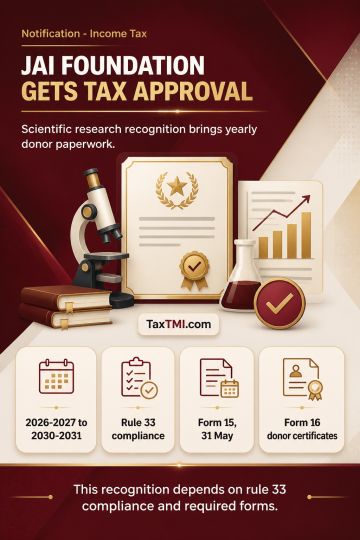
Scientific research approval grants a research association tax recognition, subject to annual donor reporting, certification, and regulatory complianc...
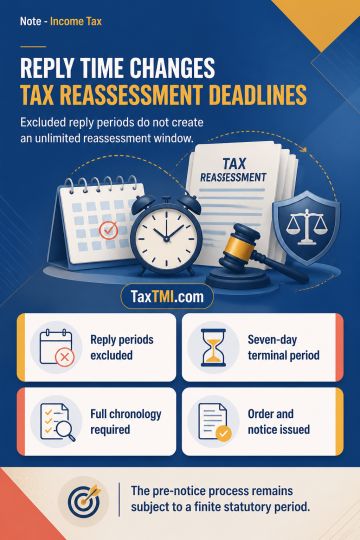
Judicial discipline requires consistent reassessment treatment where identical facts were decided for the same taxpayer in the preceding assessment ye...
The case before CESTAT Bangalore involved the interpretation of an exemption notification u/s 12/2012-CE for Additional Duty. The issue was whether a "Grid-Tied Solar Inverter" could be considered a "Solar Power Generating System" for claiming the exemption. The Tribunal held that while the inverter is used in a solar system, it does not constitute the entire system. The respondent failed to satisfy the conditions of the notification, thus not eligible for the exemption. The Commissioner's view of liberal interpretation was rejected, citing the burden of proof on the Revenue. The decision was in line with the Supreme Court's ruling in Dilip Kumar and Company case. The impugned order was set aside, and the appeal was allowed.
The case before CESTAT Bangalore involved the interpretation of an exemption notification u/s 12/2012-CE for Additional Duty. The issue was whether a "Grid-Tied Solar Inverter" could be considered a "Solar Power Generating System" for claiming the exemption. The Tribunal held that while the inverter is used in a solar system, it does not constitute the entire system. The respondent failed to satisfy the conditions of the notification, thus not eligible for the exemption. The Commissioner's view of liberal interpretation was rejected, citing the burden of proof on the Revenue. The decision was in line with the Supreme Court's ruling in Dilip Kumar and Company case. The impugned order was set aside, and the appeal was allowed.
Note: It is a system-generated summary and is for quick reference only.
 TaxTMI
  TaxTMI