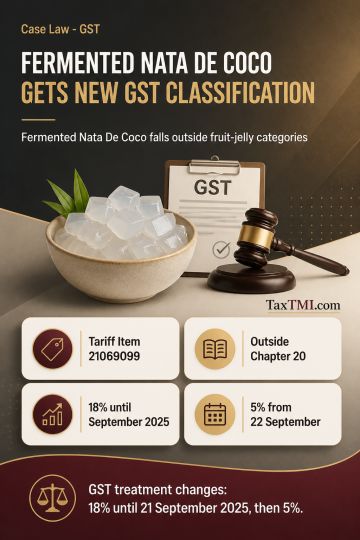
Residual food-preparation classification places fermented Nata De Coco outside fruit-jelly categories, changing its GST treatment across notified peri...
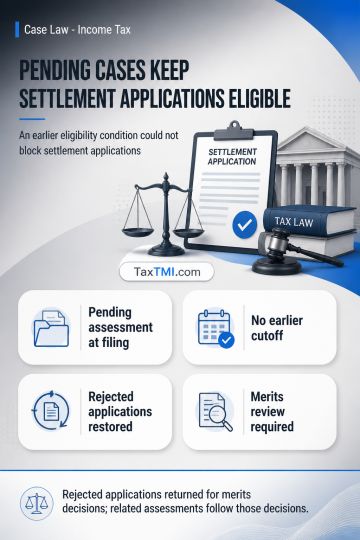
Settlement application eligibility requires a pending assessment when filed, preventing an extra prior-eligibility condition from blocking considerati...
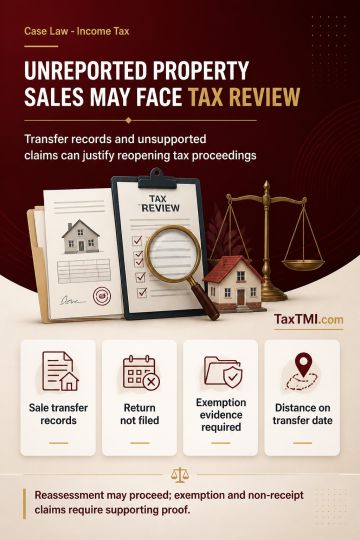
Reassessment for unreturned property sales survives where transfer information, non-filing, and unsupported exemption claims establish a prima facie l...
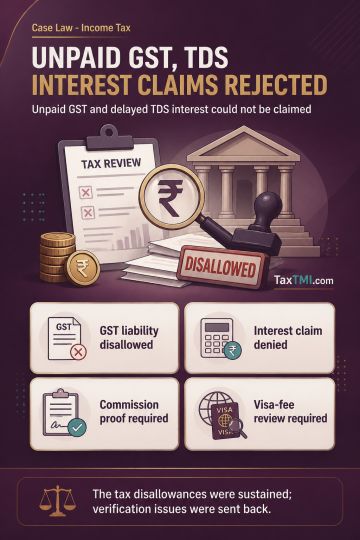
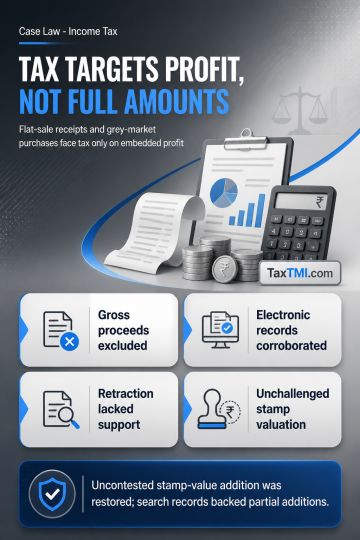
Profit-element taxation limits additions for unaccounted flat-sale receipts and grey-market purchases, while reliable search records support partial a...
The case involved a dispute regarding the applicability of service tax on corporate guarantee fees u/s 65(12)(a)(ix) of the Finance Act. The tribunal held that providing a corporate guarantee does not constitute Banking and Other Financial Services (BOFS) and is not related to lending activity. Citing precedents, the tribunal concluded that the corporate guarantee does not fall within the ambit of lending activity. The demand for service tax u/s reverse charge mechanism prior to 01.07.2012 was set aside as corporate guarantee does not qualify as BOFS. For the period post 01.07.2012, since the appellant had already paid the tax liability, it cannot be demanded again. The tribunal also found that the invocation of the extended period was unjustified as there was no evidence of mala fide intention to evade payment. Consequently, the demand for the period from 2009-2010 to 1st July 2012 was set aside, and the appeal was allowed.
The case involved a dispute regarding the applicability of service tax on corporate guarantee fees u/s 65(12)(a)(ix) of the Finance Act. The tribunal held that providing a corporate guarantee does not constitute Banking and Other Financial Services (BOFS) and is not related to lending activity. Citing precedents, the tribunal concluded that the corporate guarantee does not fall within the ambit of lending activity. The demand for service tax u/s reverse charge mechanism prior to 01.07.2012 was set aside as corporate guarantee does not qualify as BOFS. For the period post 01.07.2012, since the appellant had already paid the tax liability, it cannot be demanded again. The tribunal also found that the invocation of the extended period was unjustified as there was no evidence of mala fide intention to evade payment. Consequently, the demand for the period from 2009-2010 to 1st July 2012 was set aside, and the appeal was allowed.
Note: It is a system-generated summary and is for quick reference only.
 TaxTMI
  TaxTMI
 of 4913