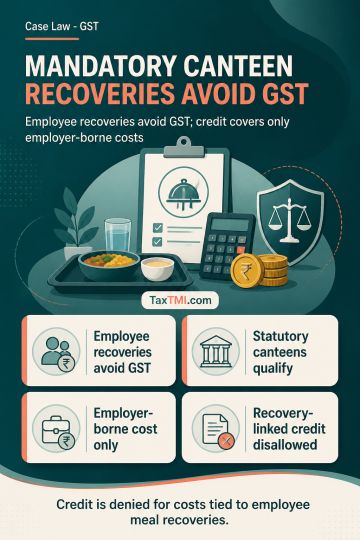
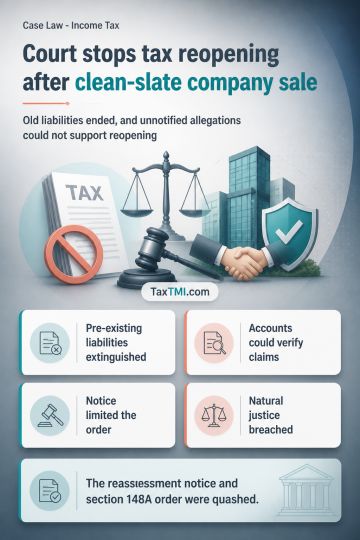
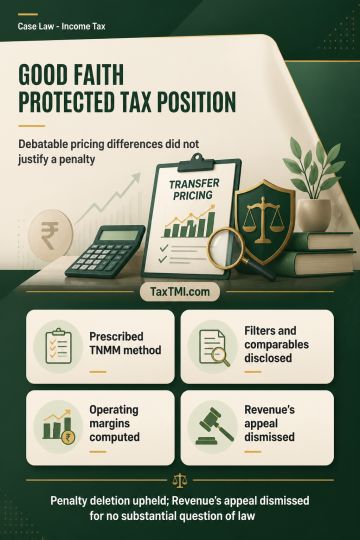
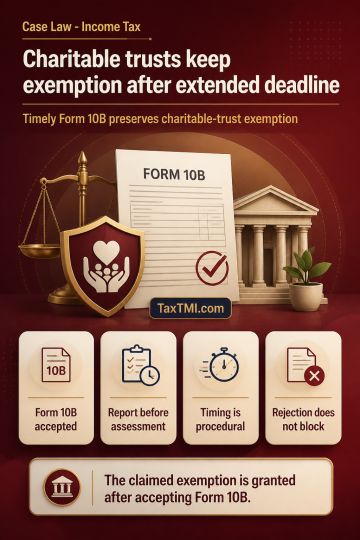
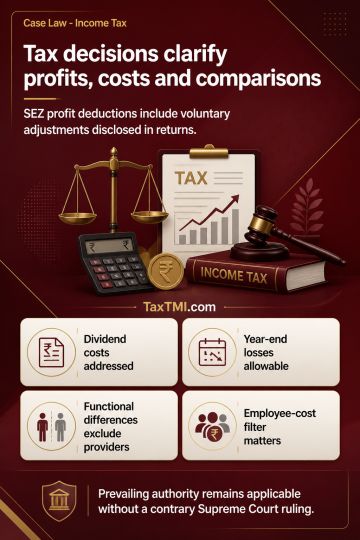
SEZ-unit profit deduction covers voluntary transfer-pricing adjustments, while exempt-income costs, foreign-exchange loss and ITeS comparables are exa...
The Calcutta High Court reviewed a case involving a revision u/s 263 regarding the addition u/s 68 for a purportedly bogus claim of exemption of Long Term Capital Gain from the sale of shares of a penny stock. The Principal Commissioner of Income Tax (PCIT) found the assessment to be prima facie erroneous and prejudicial to revenue, leading to the issuance of a show cause notice. The PCIT independently evaluated the assessment records, concluding that the assessing officer should have treated the credit as bogus and disallowed the exemption u/s 10(38). The High Court differentiated this case from a previous ruling involving Sinhotia Metals and Minerals Pvt. Ltd., emphasizing that the PCIT's decision was valid in this context. The Court overturned the Tribunal's decision, reinstating the PCIT's order u/s 263.
The Calcutta High Court reviewed a case involving a revision u/s 263 regarding the addition u/s 68 for a purportedly bogus claim of exemption of Long Term Capital Gain from the sale of shares of a penny stock. The Principal Commissioner of Income Tax (PCIT) found the assessment to be prima facie erroneous and prejudicial to revenue, leading to the issuance of a show cause notice. The PCIT independently evaluated the assessment records, concluding that the assessing officer should have treated the credit as bogus and disallowed the exemption u/s 10(38). The High Court differentiated this case from a previous ruling involving Sinhotia Metals and Minerals Pvt. Ltd., emphasizing that the PCIT's decision was valid in this context. The Court overturned the Tribunal's decision, reinstating the PCIT's order u/s 263.
Note: It is a system-generated summary and is for quick reference only.
 TaxTMI
  TaxTMI
 of 4881