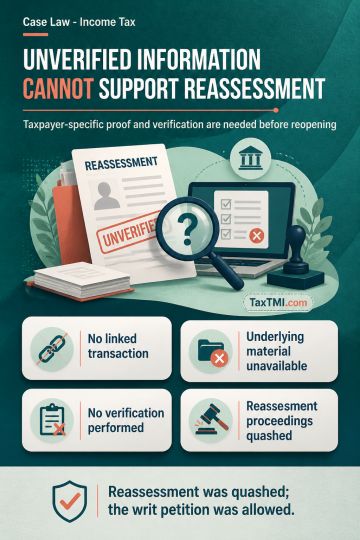
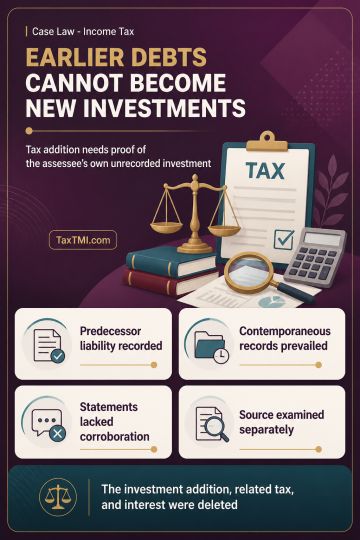
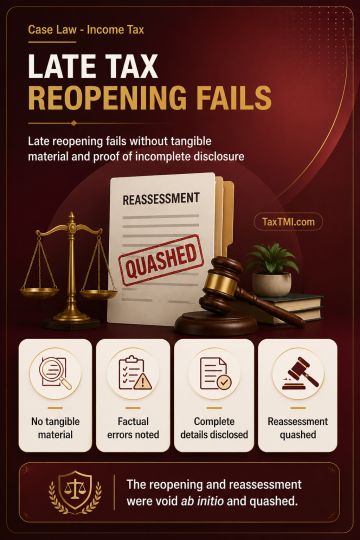
Unverified Insight Portal Information Cannot Justify Reassessment Without a Verified Taxpayer-Specific Income-Escape Nexus or Demonstrated Application...
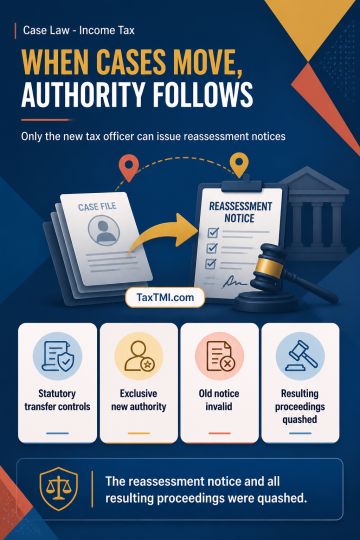
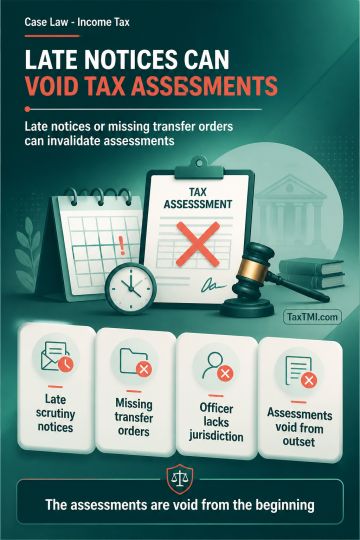
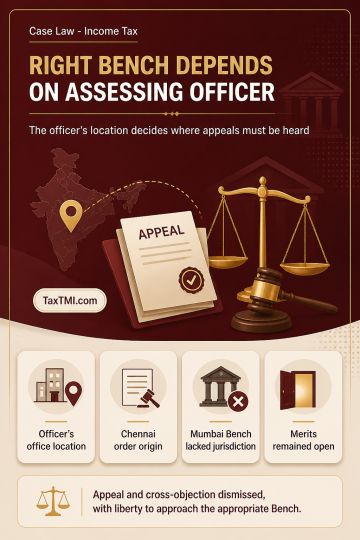
Assessing Officer jurisdiction after statutory transfer invalidates reassessment notices issued by transferor officers and nullifies resulting proceed...
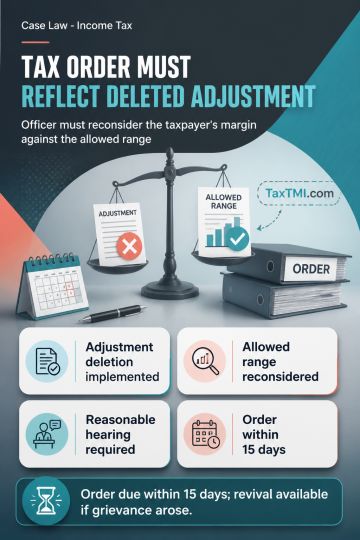
Consequential appeal-effect orders must implement rectification deleting working-capital adjustments and reconsider the resulting arm's-length range c...
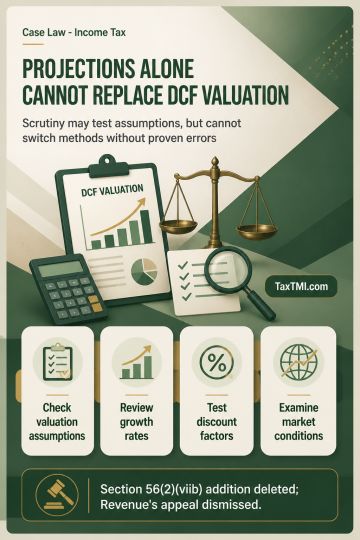
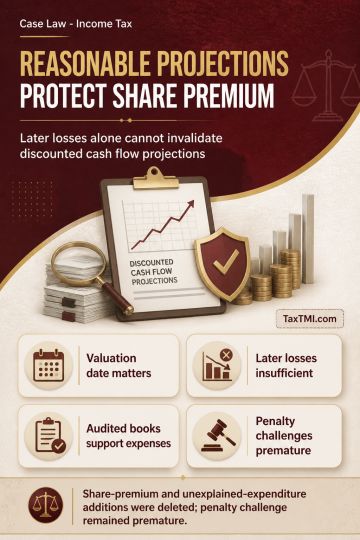
Discounted cash flow valuation protects share premium where projections are reasonable, while audited book expenses defeat unexplained-expenditure add...
Section 54 construction relief survives pre-transfer commencement when completion occurs within the statutory period, excluding ineligible spouse-owne...
The Rajasthan High Court examined the validity of revision proceedings u/s 263 concerning the period of limitation. The issue was whether the period of limitation for passing the order u/s 263 should be reckoned from the date of the original assessment order or the date of the reassessment order. The Court referred to the Supreme Court's judgment in the case of Industrial Development Bank of India Ltd. and followed the decision in the case of Chambal Fertilisers and Chemicals Limited. It was held that once the reassessment of the escaped assessment occurred, the revision would have the same limited ambit for the purpose of limitation prescribed in Section 263(2) of the Income Tax Act of 1961, which is two years. The Court noted that the petitioner could have challenged the original assessment order but lost due to the law of limitation. Citing the Supreme Court's ruling, the Court found the revision proceedings to be illegal on the face of it due to limitation issues, set them aside.
The Rajasthan High Court examined the validity of revision proceedings u/s 263 concerning the period of limitation. The issue was whether the period of limitation for passing the order u/s 263 should be reckoned from the date of the original assessment order or the date of the reassessment order. The Court referred to the Supreme Court's judgment in the case of Industrial Development Bank of India Ltd. and followed the decision in the case of Chambal Fertilisers and Chemicals Limited. It was held that once the reassessment of the escaped assessment occurred, the revision would have the same limited ambit for the purpose of limitation prescribed in Section 263(2) of the Income Tax Act of 1961, which is two years. The Court noted that the petitioner could have challenged the original assessment order but lost due to the law of limitation. Citing the Supreme Court's ruling, the Court found the revision proceedings to be illegal on the face of it due to limitation issues, set them aside.
Note: It is a system-generated summary and is for quick reference only.
 TaxTMI
  TaxTMI
 of 4884