Infrastructure-development deduction remains available to EPC contractors when substantive statutory conditions outweigh contractor labels in agreemen...
Explained Investment Sources: documented gifts and traceable salary savings supported deletion of additions for property and mutual-fund SIP investmen...
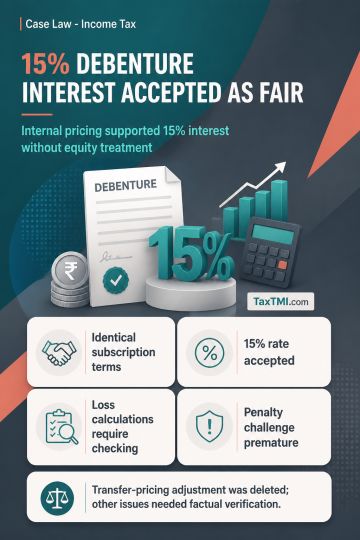
Internal comparable pricing supports arm's-length interest on compulsorily convertible debentures, preventing their recharacterisation as equity for t...
Nominee director protection shields independent financial-institution appointees from criminal liability where they lack involvement in deposit defaul...
The case before the Allahabad High Court involved the validity of reassessment proceedings initiated by the assessing authority based on information that the purchaser did not exist. The court held that the decision to initiate reassessment was based on relevant information and the suggestion of income escapement. The non-existence of the purchaser was supported by the purchaser's lack of response to notices and statements from a third party. The court noted that the existence of the purchaser company on the MCA portal was not a mandatory condition for reassessment. The court emphasized that the assessing officer's decision to initiate reassessment was based on the information received and the suggestion of income escapement, rather than a strict "reason to believe" requirement. The court dismissed the writ petition, allowing the assessment proceedings to continue in accordance with the law.
The case before the Allahabad High Court involved the validity of reassessment proceedings initiated by the assessing authority based on information that the purchaser did not exist. The court held that the decision to initiate reassessment was based on relevant information and the suggestion of income escapement. The non-existence of the purchaser was supported by the purchaser's lack of response to notices and statements from a third party. The court noted that the existence of the purchaser company on the MCA portal was not a mandatory condition for reassessment. The court emphasized that the assessing officer's decision to initiate reassessment was based on the information received and the suggestion of income escapement, rather than a strict "reason to believe" requirement. The court dismissed the writ petition, allowing the assessment proceedings to continue in accordance with the law.
Note: It is a system-generated summary and is for quick reference only.
 TaxTMI
  TaxTMI
 of 4881