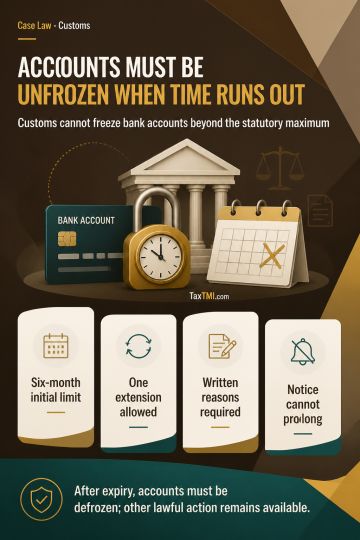
Strict construction of customs exemptions denied concession for brake components, while limitation restricted differential duty to timely Bills of Ent...
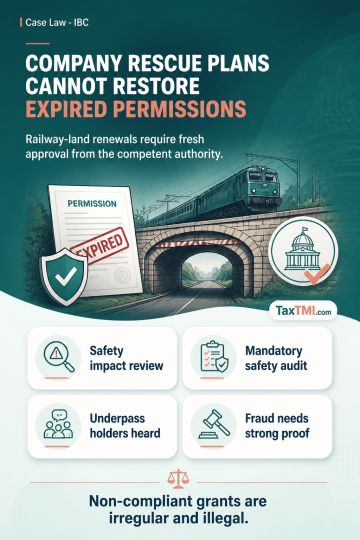
Way Leave Permissions cannot be retrospectively revived through insolvency plans, and affected infrastructure holders require safety review and hearin...
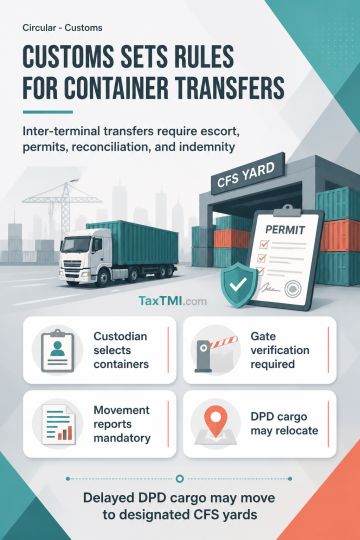
Inter-terminal container movement requires customs escort, permit reconciliation, and indemnity, while delayed DPD cargo may move to designated CFS ya...
The Delhi High Court considered the winding up of an unregistered foreign company for non-payment of outstanding dues u/s 433(e) and (f) read with Sections 434 and 439 of the Companies Act, 1956. The court found that the company's inability to pay its debts justified winding up proceedings u/s 583 of the Act. The court referenced the Supreme Court's decision in Rajah of Vizianagram case and Action Ispat case, supporting the transfer of winding up proceedings to the NCLT if at a nascent stage. Consequently, the court transferred the present winding up proceedings to the NCLT, disposing of the petition.
The Delhi High Court considered the winding up of an unregistered foreign company for non-payment of outstanding dues u/s 433(e) and (f) read with Sections 434 and 439 of the Companies Act, 1956. The court found that the company's inability to pay its debts justified winding up proceedings u/s 583 of the Act. The court referenced the Supreme Court's decision in Rajah of Vizianagram case and Action Ispat case, supporting the transfer of winding up proceedings to the NCLT if at a nascent stage. Consequently, the court transferred the present winding up proceedings to the NCLT, disposing of the petition.
Note: It is a system-generated summary and is for quick reference only.
 TaxTMI
  TaxTMI
 of 4886