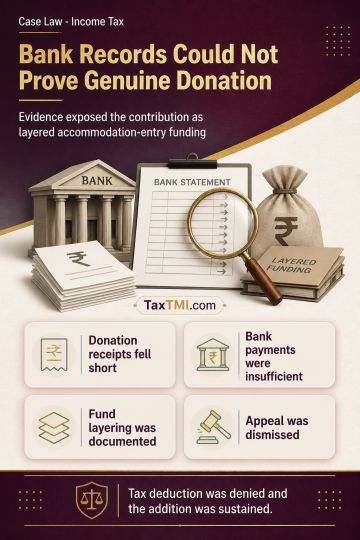
Human-probability test defeats political donation deduction where banking records mask accommodation-entry fund layering and evidence shows non-genuin...
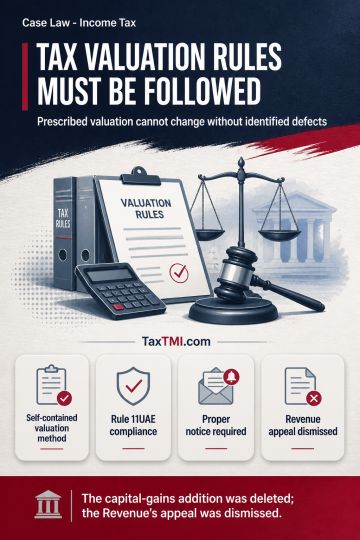
Commercial property status protects capital-gains exemption when residential-house ownership limits are tested, while agricultural-land character gove...
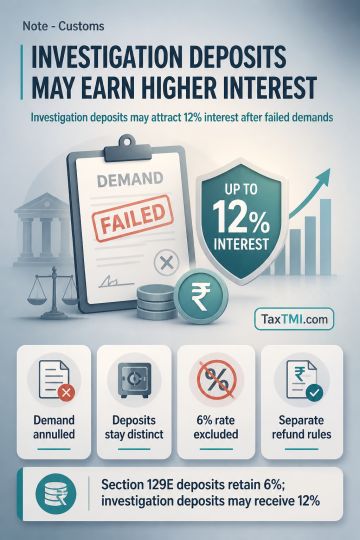
Investigation deposits refunded after failed customs demands fall outside the statutory appellate pre-deposit interest regime and may attract compensa...
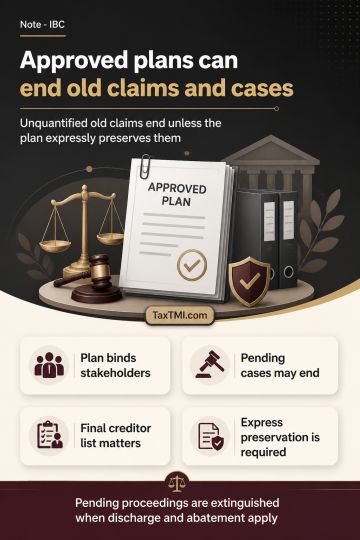
Resolution plan finality extinguishes unquantified operational-creditor claims and pending proceedings unless the approved plan expressly preserves th...
The Delhi High Court considered the winding up of an unregistered foreign company for non-payment of outstanding dues u/s 433(e) and (f) read with Sections 434 and 439 of the Companies Act, 1956. The court found that the company's inability to pay its debts justified winding up proceedings u/s 583 of the Act. The court referenced the Supreme Court's decision in Rajah of Vizianagram case and Action Ispat case, supporting the transfer of winding up proceedings to the NCLT if at a nascent stage. Consequently, the court transferred the present winding up proceedings to the NCLT, disposing of the petition.
The Delhi High Court considered the winding up of an unregistered foreign company for non-payment of outstanding dues u/s 433(e) and (f) read with Sections 434 and 439 of the Companies Act, 1956. The court found that the company's inability to pay its debts justified winding up proceedings u/s 583 of the Act. The court referenced the Supreme Court's decision in Rajah of Vizianagram case and Action Ispat case, supporting the transfer of winding up proceedings to the NCLT if at a nascent stage. Consequently, the court transferred the present winding up proceedings to the NCLT, disposing of the petition.
Note: It is a system-generated summary and is for quick reference only.
 TaxTMI
  TaxTMI
 of 4881