Capital-gains exemption for charitable trusts extends to qualifying fixed deposits, while unrecoverable TDS write-offs may constitute income applicati...
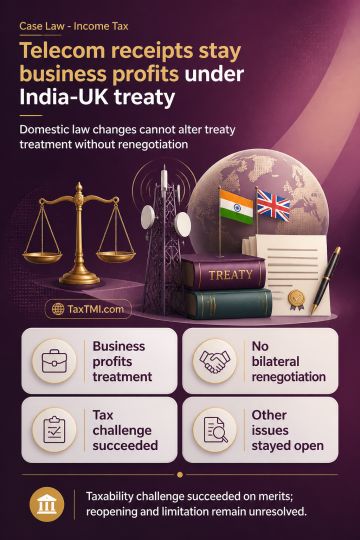
India-UK treaty characterisation of telecom-service receipts as business profits withstands unilateral domestic-law amendments for Indian tax purposes...
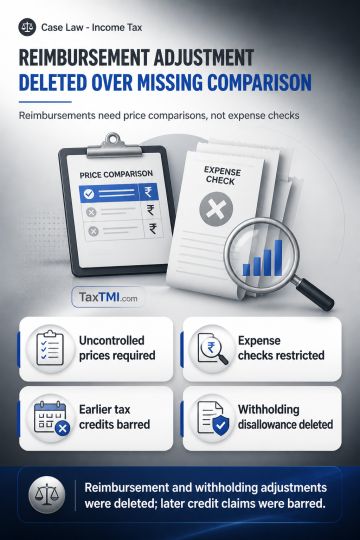
Transfer-pricing reimbursement adjustments require uncontrolled comparables and cannot become expense-genuineness reviews, resulting in deletion of th...
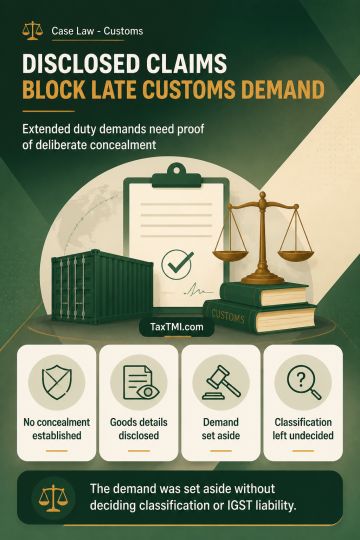
Food import sampling requirements support provisional release where unseized consignments conform to standards and raw areca classification is unestab...
The Delhi High Court considered the winding up of an unregistered foreign company for non-payment of outstanding dues u/s 433(e) and (f) read with Sections 434 and 439 of the Companies Act, 1956. The court found that the company's inability to pay its debts justified winding up proceedings u/s 583 of the Act. The court referenced the Supreme Court's decision in Rajah of Vizianagram case and Action Ispat case, supporting the transfer of winding up proceedings to the NCLT if at a nascent stage. Consequently, the court transferred the present winding up proceedings to the NCLT, disposing of the petition.
The Delhi High Court considered the winding up of an unregistered foreign company for non-payment of outstanding dues u/s 433(e) and (f) read with Sections 434 and 439 of the Companies Act, 1956. The court found that the company's inability to pay its debts justified winding up proceedings u/s 583 of the Act. The court referenced the Supreme Court's decision in Rajah of Vizianagram case and Action Ispat case, supporting the transfer of winding up proceedings to the NCLT if at a nascent stage. Consequently, the court transferred the present winding up proceedings to the NCLT, disposing of the petition.
Note: It is a system-generated summary and is for quick reference only.
 TaxTMI
  TaxTMI
 of 4879