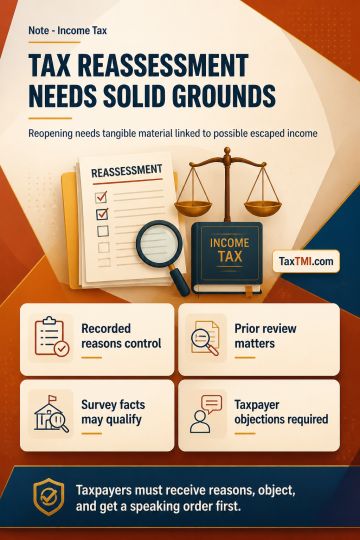
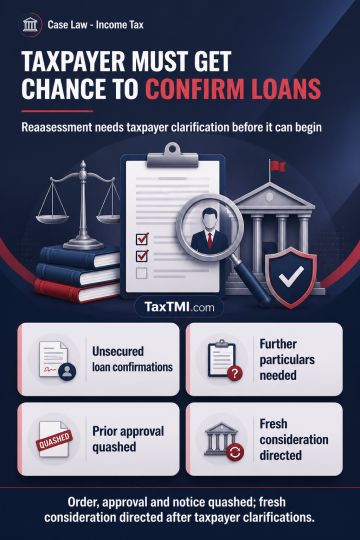
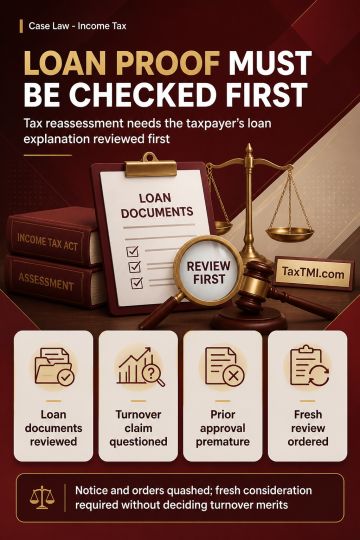
Opportunity to furnish unsecured-loan confirmations is required before reassessment initiation; proceedings require fresh consideration after taxpayer...
Admission of Section 95 application filed by the Financial Creditor - Personal Guarantor of the Corporate Debtor - date of default - Assignment of debt - unstamped document - The tribunal found that the Declaration-cum-Undertaking issued by the appellant on 29.01.2018 constituted an acknowledgment of debt, extending the limitation period by three years from that date. Consequently, the application filed on 10.08.2021 was within the limitation period when considering the Supreme Court's exclusion of the period from 15.03.2020 to 28.02.2022. The tribunal determined that the assignment of the debt from Dena Bank to the financial creditor was valid. The status of the financial creditor as an assignee was previously accepted in the Section 7 proceeding against the corporate debtor. Hence, the assignment could not be challenged by the appellant in the current proceeding.
Admission of Section 95 application filed by the Financial Creditor - Personal Guarantor of the Corporate Debtor - date of default - Assignment of debt - unstamped document - The tribunal found that the Declaration-cum-Undertaking issued by the appellant on 29.01.2018 constituted an acknowledgment of debt, extending the limitation period by three years from that date. Consequently, the application filed on 10.08.2021 was within the limitation period when considering the Supreme Court's exclusion of the period from 15.03.2020 to 28.02.2022. The tribunal determined that the assignment of the debt from Dena Bank to the financial creditor was valid. The status of the financial creditor as an assignee was previously accepted in the Section 7 proceeding against the corporate debtor. Hence, the assignment could not be challenged by the appellant in the current proceeding.
Note: It is a system-generated summary and is for quick reference only.
 TaxTMI
  TaxTMI
 of 4918