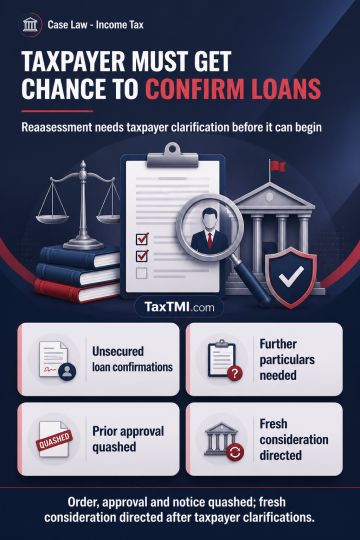
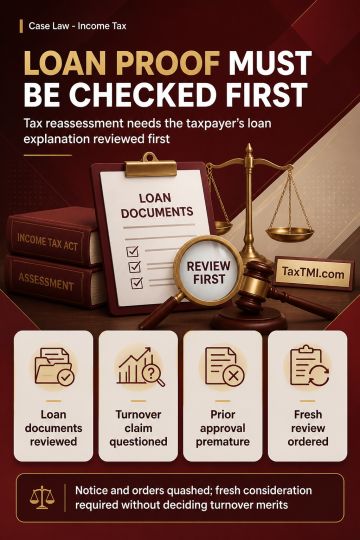
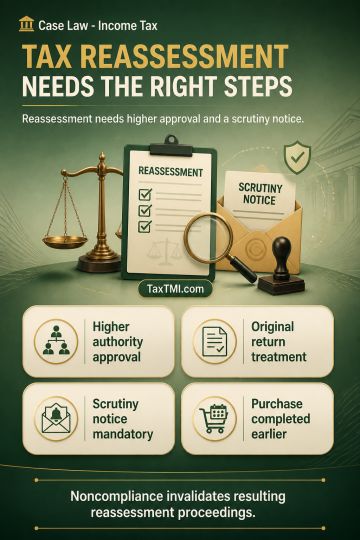
Opportunity to furnish unsecured-loan confirmations is required before reassessment initiation; proceedings require fresh consideration after taxpayer...
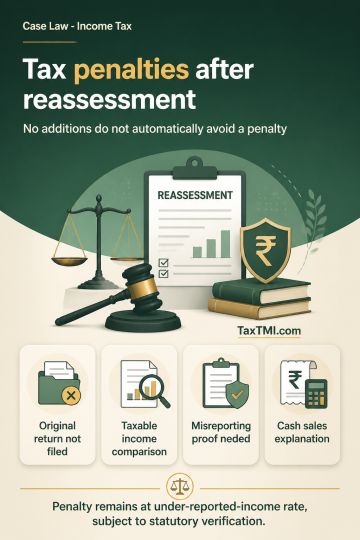
Under-reporting on a first reassessment return attracts penalty, while enhanced misreporting penalty requires proof of a statutory misreporting catego...
Constitutional validity of para 83 of the EPF Scheme and para 43A of the Pension Scheme - international workers - Discrimination - Grievance of the petitioners is that, under para 83 of the EPF Scheme, “international workers” are covered under the Act and Scheme, irrespective of their salary drawn by them. - The High Court observed that provisions treated international workers differently from domestic workers without a sufficient justification, thus violating the equality clause of the Constitution. - The classification of workers under these paras did not have a rational relation to the objectives of the EPF & MP Act, which aims to provide social security to workers in lower income brackets, not to impose burdens on high-earning international workers. - Consequently, the High Court held the provisions as unconstitutional. They were struck down as they were found to be discriminatory, arbitrary, and ultra vires (beyond the powers of the Act)
Constitutional validity of para 83 of the EPF Scheme and para 43A of the Pension Scheme - international workers - Discrimination - Grievance of the petitioners is that, under para 83 of the EPF Scheme, “international workers” are covered under the Act and Scheme, irrespective of their salary drawn by them. - The High Court observed that provisions treated international workers differently from domestic workers without a sufficient justification, thus violating the equality clause of the Constitution. - The classification of workers under these paras did not have a rational relation to the objectives of the EPF & MP Act, which aims to provide social security to workers in lower income brackets, not to impose burdens on high-earning international workers. - Consequently, the High Court held the provisions as unconstitutional. They were struck down as they were found to be discriminatory, arbitrary, and ultra vires (beyond the powers of the Act)
Note: It is a system-generated summary and is for quick reference only.
 TaxTMI
  TaxTMI
 of 4915