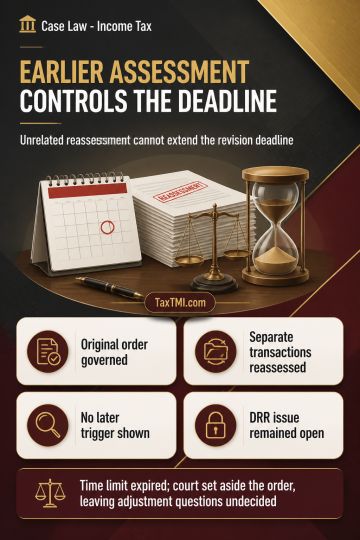
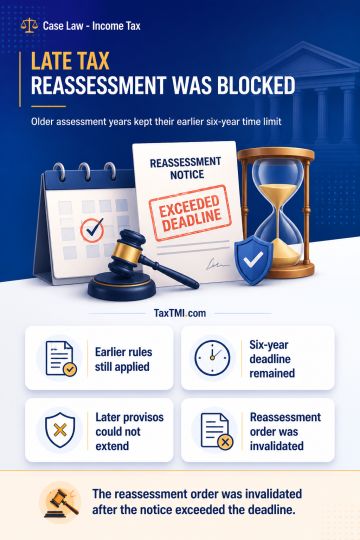
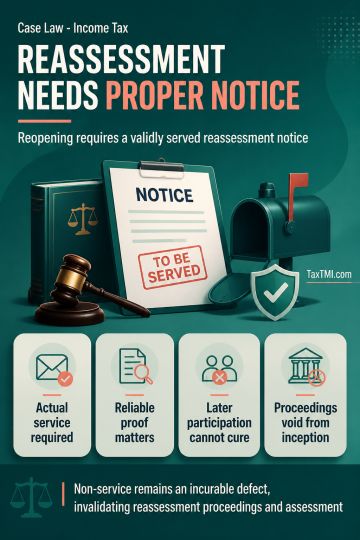
Pre-amendment reassessment limitation bars late notices under the preserved regime, invalidating consequential reassessment for affected earlier asses...
Cash-sales explanations for bank deposits require documentary reconciliation; reassessment notice survived where effective response time was available...
Functional comparability in transfer pricing prevents ad hoc arm's length adjustments where functions, assets, risks and reliable comparables are unes...
Levy of service tax - Employees were deputed to the assessee - receiving services from the overseas company FFECJ through Dispatch Agreement and Secondment Agreement in deployment of qualified and skilled employees during the said period - The Tribunal noted that the employees deputed to the respondent were under its control and direction, with no employer-employee relationship maintained with the overseas company during the assignment period. They upheld the Revenue’s contention regarding the taxability of the services. However, they ruled against the validity of invoking the extended period of limitation, finding no substantial evidence of suppression of facts by the respondent.
Levy of service tax - Employees were deputed to the assessee - receiving services from the overseas company FFECJ through Dispatch Agreement and Secondment Agreement in deployment of qualified and skilled employees during the said period - The Tribunal noted that the employees deputed to the respondent were under its control and direction, with no employer-employee relationship maintained with the overseas company during the assignment period. They upheld the Revenue’s contention regarding the taxability of the services. However, they ruled against the validity of invoking the extended period of limitation, finding no substantial evidence of suppression of facts by the respondent.
Note: It is a system-generated summary and is for quick reference only.
 TaxTMI
  TaxTMI
 of 4918