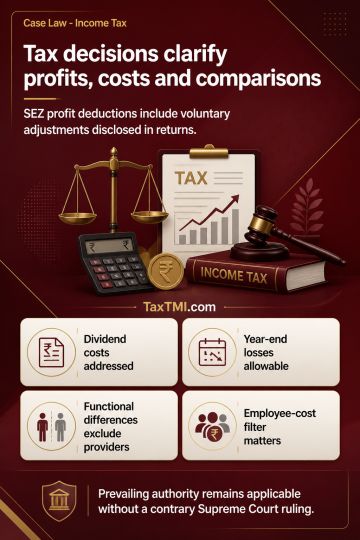
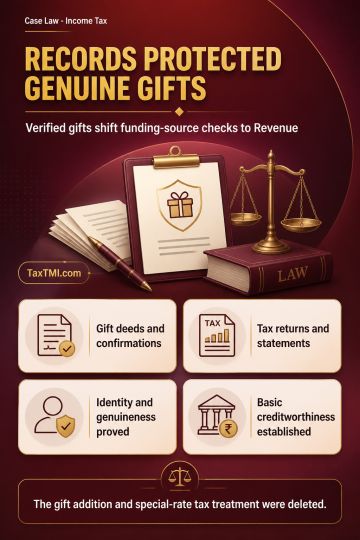
SEZ-unit profit deduction covers voluntary transfer-pricing adjustments, while exempt-income costs, foreign-exchange loss and ITeS comparables are exa...
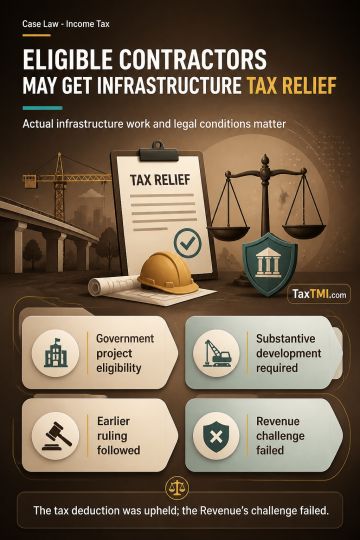
Infrastructure-development deduction remains available to EPC contractors when substantive statutory conditions outweigh contractor labels in agreemen...
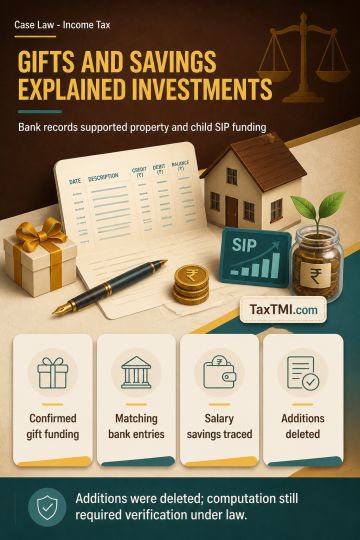
Explained Investment Sources: documented gifts and traceable salary savings supported deletion of additions for property and mutual-fund SIP investmen...
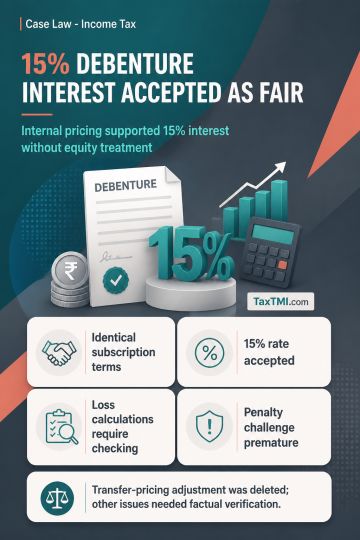
Internal comparable pricing supports arm's-length interest on compulsorily convertible debentures, preventing their recharacterisation as equity for t...
Principles of Res-judicata - suo-moto re-credit taken instead of filing refund application - The Tribunal noted that the initial rounds of litigation, up to the High Court, had affirmed the appellant's eligibility to claim Cenvat credit under Notification No. 6/2006-CE, which the Tribunal upheld. It was observed that the re-credit was an accounting correction and did not require a refund claim, especially since it was done with Revenue's intimation. The Tribunal ordered the refund of the duty amount deposited by the appellant, with interest. This decision rested on the principle that once an appellate decision becomes final, it is binding, and the administrative authorities must comply without re-litigating settled matters.
Principles of Res-judicata - suo-moto re-credit taken instead of filing refund application - The Tribunal noted that the initial rounds of litigation, up to the High Court, had affirmed the appellant's eligibility to claim Cenvat credit under Notification No. 6/2006-CE, which the Tribunal upheld. It was observed that the re-credit was an accounting correction and did not require a refund claim, especially since it was done with Revenue's intimation. The Tribunal ordered the refund of the duty amount deposited by the appellant, with interest. This decision rested on the principle that once an appellate decision becomes final, it is binding, and the administrative authorities must comply without re-litigating settled matters.
Note: It is a system-generated summary and is for quick reference only.
 TaxTMI
  TaxTMI
 of 4897