Customs exemptions cover photovoltaic assembly machinery and PVF backsheets, while fully declared cleared imports may avoid confiscation and penalties...
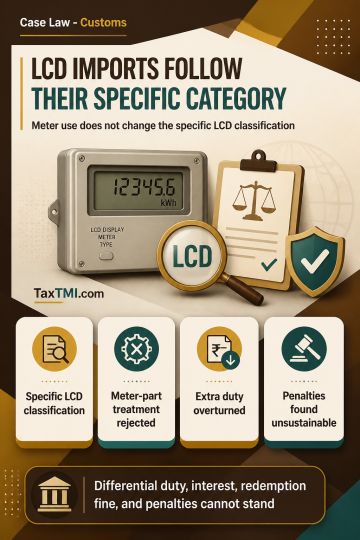
Specific tariff classification for LCD devices overrides treatment as electricity-meter parts, defeating differential duty, extended limitation, and p...
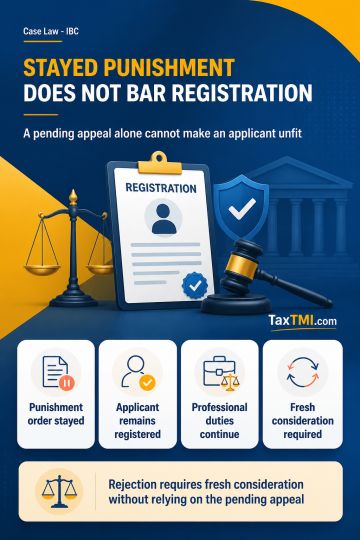
Stayed disciplinary punishment does not establish unfitness for insolvency professional registration; reconsideration must disregard mere pendency of ...
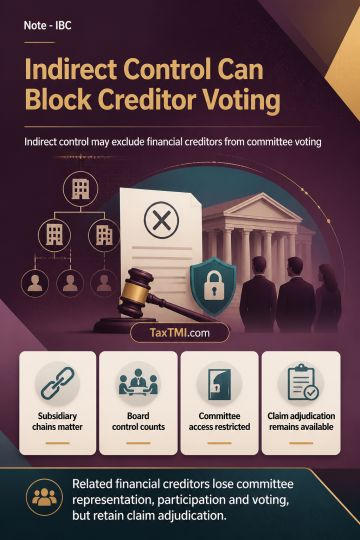
Indirect corporate control can create related-party status, excluding financial creditors from Committee of Creditors representation, participation an...
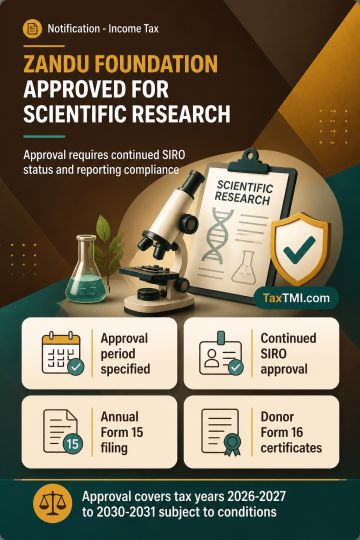
Scientific research association approval requires continuing SIRO status, annual donation reporting, and donor certificates for the approved foundatio...
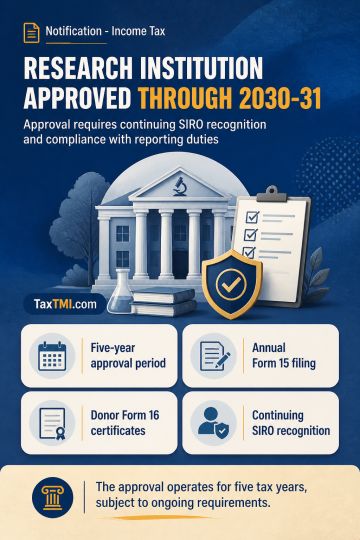
Scientific research institution approval is conditional on SIRO recognition, annual donation reporting, donor certification, and prescribed compliance...
Constitutional Validity of Sections 2, 9, 12 and 18 of the Constitution (101st Amendment) Act, 2016 violating the basic structure of the Constitution of India - grounds raised are based on the constitution of a Goods and Services Tax Council (GST Council) - In its judgment, the High Court scrutinizes the petitioner's locus standi, emphasizing the necessity of demonstrating aggrievement in PILs. Despite the petitioner's assertion of public interest, the court finds that they lack standing, as they have not suffered any legal injury or prejudice resulting from the impugned provisions. Additionally, the court highlights the petitioner's absence of registration under GST enactments or involvement in commercial activities, further undermining their standing. - Ultimately, the High Court dismisses the writ petition, concluding that there is no basis to entertain it.
Constitutional Validity of Sections 2, 9, 12 and 18 of the Constitution (101st Amendment) Act, 2016 violating the basic structure of the Constitution of India - grounds raised are based on the constitution of a Goods and Services Tax Council (GST Council) - In its judgment, the High Court scrutinizes the petitioner's locus standi, emphasizing the necessity of demonstrating aggrievement in PILs. Despite the petitioner's assertion of public interest, the court finds that they lack standing, as they have not suffered any legal injury or prejudice resulting from the impugned provisions. Additionally, the court highlights the petitioner's absence of registration under GST enactments or involvement in commercial activities, further undermining their standing. - Ultimately, the High Court dismisses the writ petition, concluding that there is no basis to entertain it.
Note: It is a system-generated summary and is for quick reference only.
 TaxTMI
  TaxTMI
 of 4879