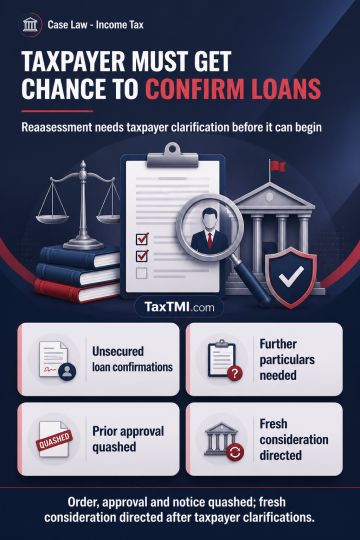
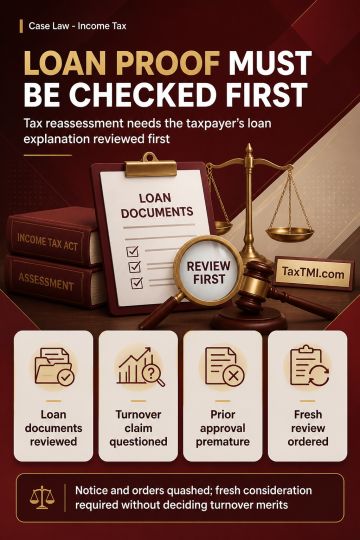
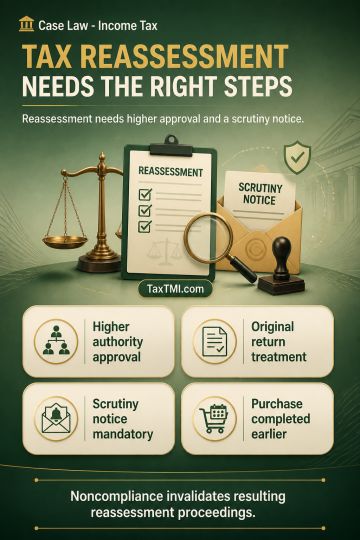
Opportunity to furnish unsecured-loan confirmations is required before reassessment initiation; proceedings require fresh consideration after taxpayer...
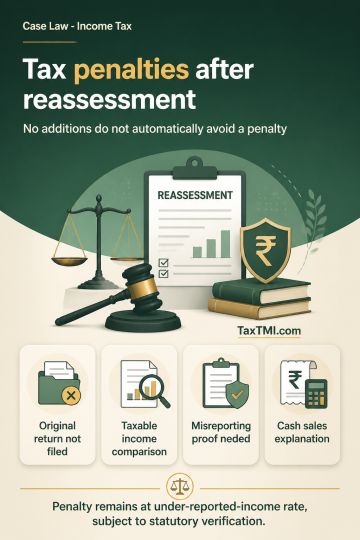
Under-reporting on a first reassessment return attracts penalty, while enhanced misreporting penalty requires proof of a statutory misreporting catego...
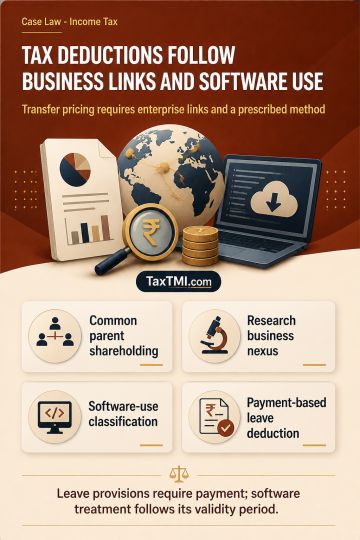
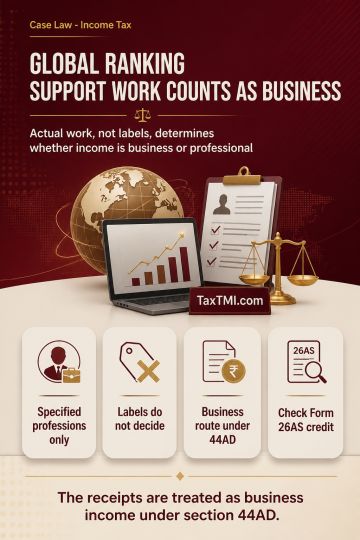
Form 26AS evidence requires successor-entity accounting verification after business transfer, while invoice-supported related-party advertising expend...
Conversion from an unlimited liability company to a limited liability company - Section 18 of the Companies Act, 2013 - Applicability of the amendments to Section 18 and Rule 37 - To be applied retrospectively for the application filed before the amendment or not - The High Court rejected the appellant's contention that it had a vested right to conversion under the unamended Act, stating that approval must align with the law as it exists at the time of granting such approval. The Court further reasoned that the amendment was curative in nature, designed to protect creditors' interests by introducing additional criteria for conversion, including the necessity for NOCs.
Conversion from an unlimited liability company to a limited liability company - Section 18 of the Companies Act, 2013 - Applicability of the amendments to Section 18 and Rule 37 - To be applied retrospectively for the application filed before the amendment or not - The High Court rejected the appellant's contention that it had a vested right to conversion under the unamended Act, stating that approval must align with the law as it exists at the time of granting such approval. The Court further reasoned that the amendment was curative in nature, designed to protect creditors' interests by introducing additional criteria for conversion, including the necessity for NOCs.
Note: It is a system-generated summary and is for quick reference only.
 TaxTMI
  TaxTMI
 of 4920