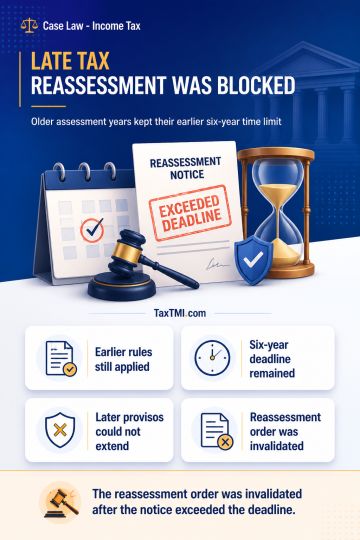
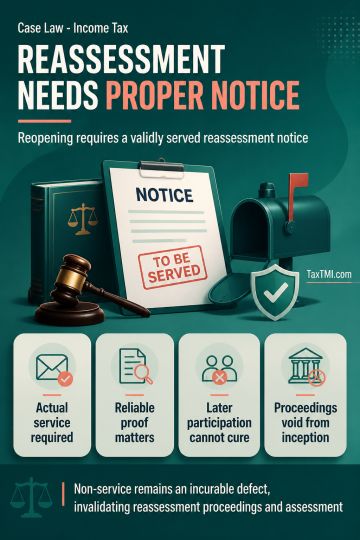
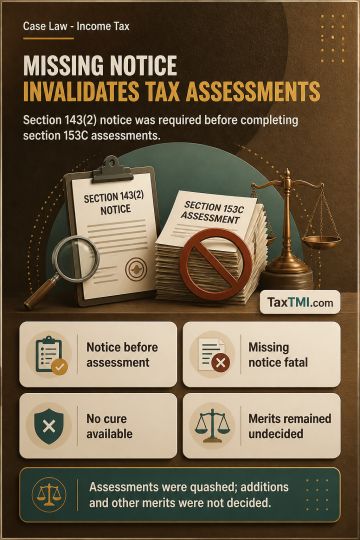
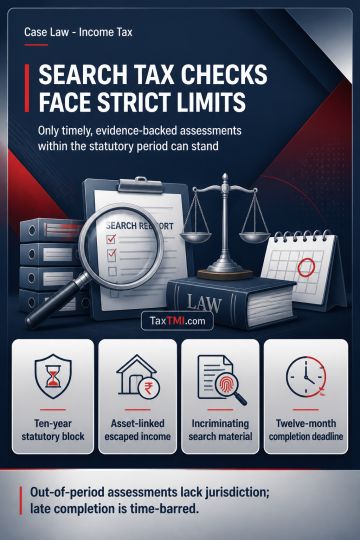
Pre-amendment reassessment limitation bars late notices under the preserved regime, invalidating consequential reassessment for affected earlier asses...
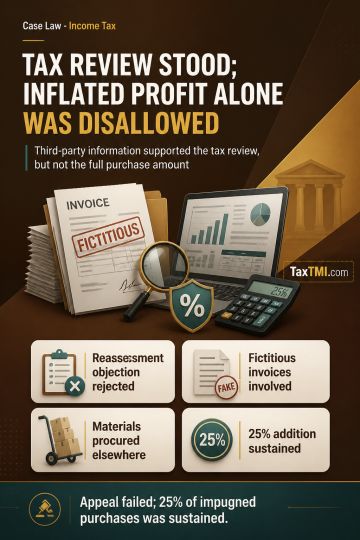
Cash-sales explanations for bank deposits require documentary reconciliation; reassessment notice survived where effective response time was available...
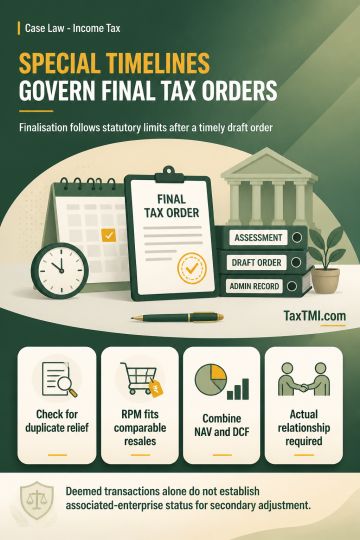
Functional comparability in transfer pricing prevents ad hoc arm's length adjustments where functions, assets, risks and reliable comparables are unes...
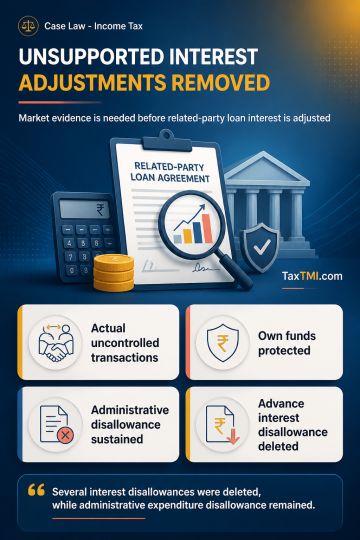
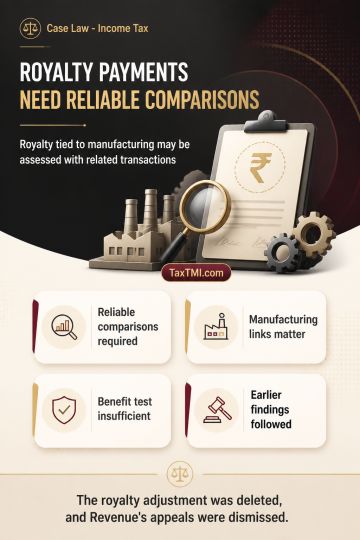
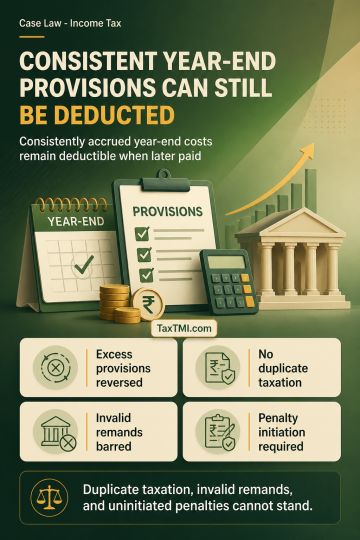
Contingency expenses, exempt-income disallowance, and royalty benchmarking: unsupported adjustments were deleted under consistent accounting and trans...
Dishonor of Cheque - Ascertaining nature of transaction - whether a criminal proceeding can be initiated and an accused held guilty when there is already a civil court decree concerning the same transaction - The Supreme Court acknowledges the conflicting nature of civil and criminal proceedings concerning the same issue and transaction. However, it emphasizes that the standard of proof and burden of evidence in civil and criminal cases are different. - the Supreme Court clarifies that while civil court decisions may have persuasive value, they are not binding on criminal courts, except for limited purposes such as sentence or damages. - the Supreme Court concludes that the criminal proceedings, including the conviction and damages imposed by lower courts, are unsustainable. It asserts that the criminal court must abide by the civil court's declaration regarding the nature of the cheque involved.
Dishonor of Cheque - Ascertaining nature of transaction - whether a criminal proceeding can be initiated and an accused held guilty when there is already a civil court decree concerning the same transaction - The Supreme Court acknowledges the conflicting nature of civil and criminal proceedings concerning the same issue and transaction. However, it emphasizes that the standard of proof and burden of evidence in civil and criminal cases are different. - the Supreme Court clarifies that while civil court decisions may have persuasive value, they are not binding on criminal courts, except for limited purposes such as sentence or damages. - the Supreme Court concludes that the criminal proceedings, including the conviction and damages imposed by lower courts, are unsustainable. It asserts that the criminal court must abide by the civil court's declaration regarding the nature of the cheque involved.
Note: It is a system-generated summary and is for quick reference only.
 TaxTMI
 TaxTMI

 of 4918