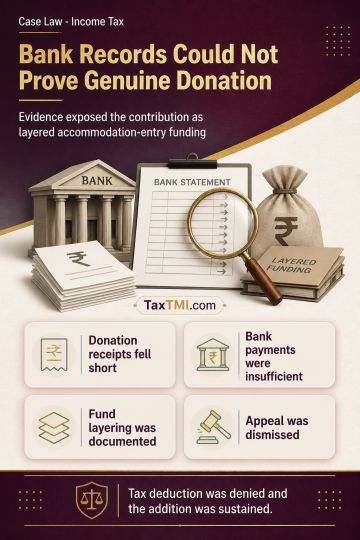
Human-probability test defeats political donation deduction where banking records mask accommodation-entry fund layering and evidence shows non-genuin...
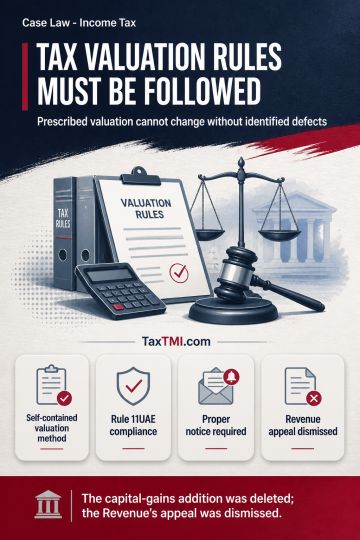
Commercial property status protects capital-gains exemption when residential-house ownership limits are tested, while agricultural-land character gove...
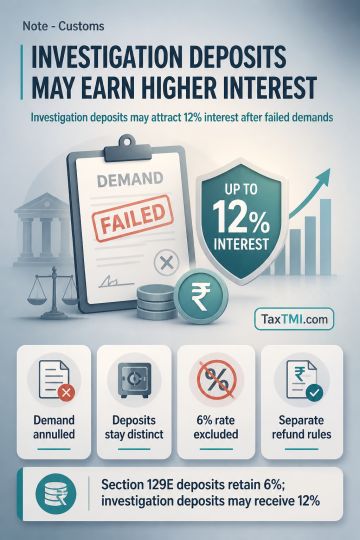
Investigation deposits refunded after failed customs demands fall outside the statutory appellate pre-deposit interest regime and may attract compensa...
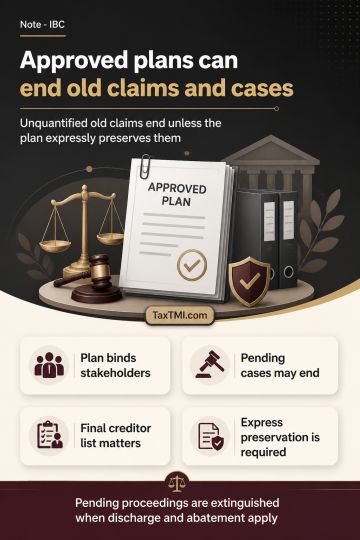
Resolution plan finality extinguishes unquantified operational-creditor claims and pending proceedings unless the approved plan expressly preserves th...
Classification of services - Reverse charge mechanism (RCM) - Place of provision of services - Services procured from two overseas companies by the appellant, a Special Economic Zone (SEZ) unit engaged in software development - The Tribunal found the services provided by the overseas companies were in the nature of "intermediary services" rather than "Business Auxiliary Services." It emphasized that intermediary services involve facilitating or arranging the provision of services between two or more persons without altering the nature or value of the services. - Given the intermediary nature of the services, the place of provision was determined to be the location of the service providers (outside India), thus falling outside the scope of taxable services under the Indian Service Tax regime. - The Tribunal observed that the reverse charge mechanism did not apply in this case, as the services did not qualify as taxable services within the taxable territory of India.
Classification of services - Reverse charge mechanism (RCM) - Place of provision of services - Services procured from two overseas companies by the appellant, a Special Economic Zone (SEZ) unit engaged in software development - The Tribunal found the services provided by the overseas companies were in the nature of "intermediary services" rather than "Business Auxiliary Services." It emphasized that intermediary services involve facilitating or arranging the provision of services between two or more persons without altering the nature or value of the services. - Given the intermediary nature of the services, the place of provision was determined to be the location of the service providers (outside India), thus falling outside the scope of taxable services under the Indian Service Tax regime. - The Tribunal observed that the reverse charge mechanism did not apply in this case, as the services did not qualify as taxable services within the taxable territory of India.
Note: It is a system-generated summary and is for quick reference only.
 TaxTMI
  TaxTMI
 of 4881