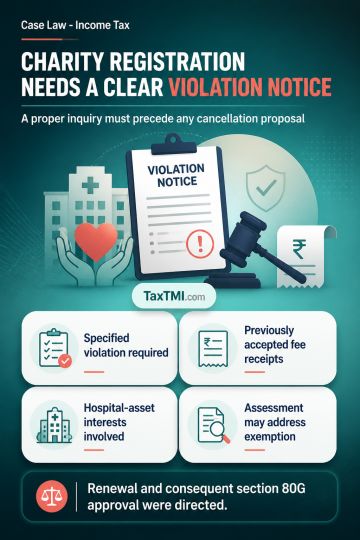
Charitable trust registration requires a specified-violation notice; settled cash deposits and related-party payments did not justify cancellation or ...
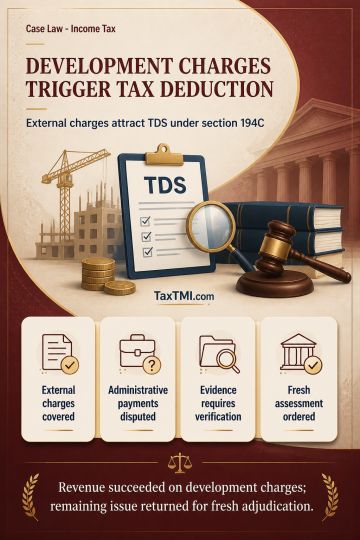
External development charges trigger TDS under section 194C, while disputed administrative payments require factual verification and fresh adjudicatio...
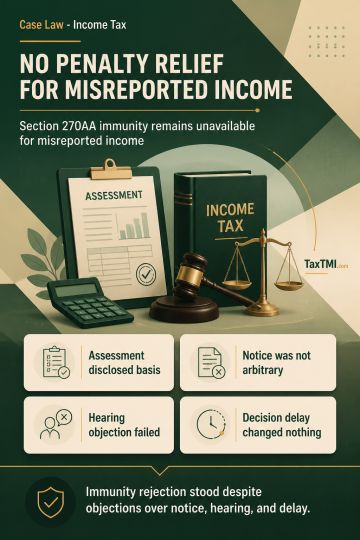
Section 270AA penalty immunity requires identified statutory defaults and a hearing before rejection; reassessment disclosure may constitute under-rep...
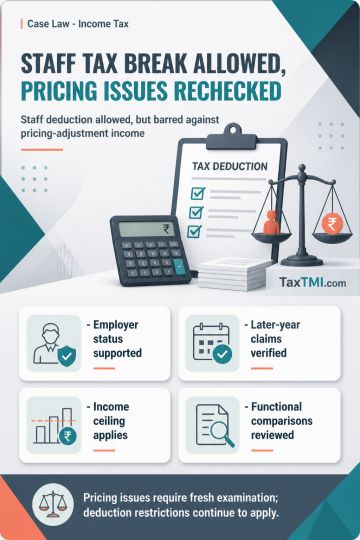
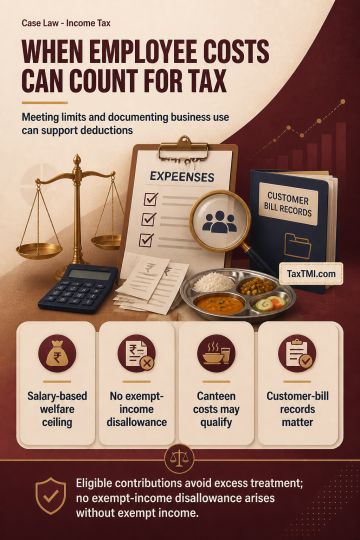
Section 80JJAA employee-cost deduction allowed for deployed staff but barred against transfer-pricing income enhancement, with pricing issues remanded...
Transfer-pricing methodology protects commercially genuine associated-enterprise payments, while pre-2016 secondary adjustments and related notional i...
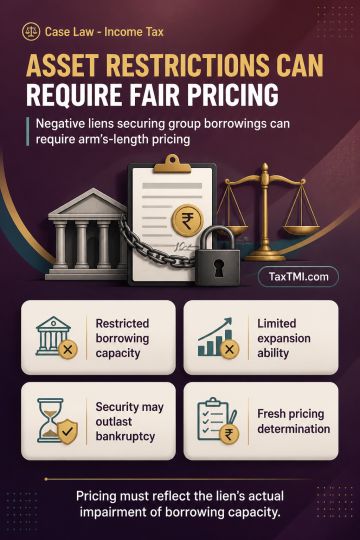
Negative liens over operating assets can constitute international transactions requiring arm's-length pricing reflecting restricted borrowing and expa...
Refund of SAD - The case involved refund claims filed by the appellant under Customs Notification No.102/2007-Cus. for Special Additional Duty of Customs paid during the import of goods. While a part of the refund claim was sanctioned, the original authority rejected the claim for two Bills of Entry, citing discrepancies between invoice dates and dates of Bill of Entry. The appellant contended that the rejection was based on unfounded assumptions by the department, clarifying that goods were intended for delivery at Sivakasi and were transported directly from Chennai to Sivakasi. The Tribunal found the rejection erroneous, emphasizing that an importer can arrange for direct delivery to the customer from the port.
Refund of SAD - The case involved refund claims filed by the appellant under Customs Notification No.102/2007-Cus. for Special Additional Duty of Customs paid during the import of goods. While a part of the refund claim was sanctioned, the original authority rejected the claim for two Bills of Entry, citing discrepancies between invoice dates and dates of Bill of Entry. The appellant contended that the rejection was based on unfounded assumptions by the department, clarifying that goods were intended for delivery at Sivakasi and were transported directly from Chennai to Sivakasi. The Tribunal found the rejection erroneous, emphasizing that an importer can arrange for direct delivery to the customer from the port.
Note: It is a system-generated summary and is for quick reference only.
 TaxTMI
 TaxTMI

 of 4916