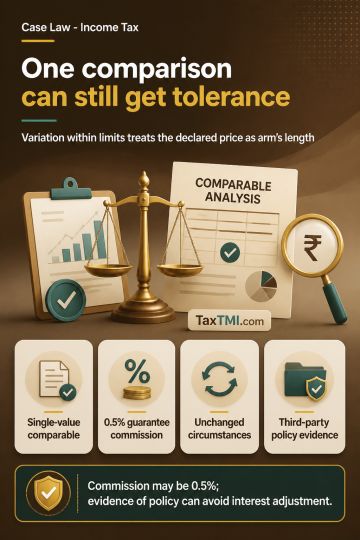
Transfer-pricing aggregation of distinct support-service and subcontract transactions was rejected, while debt-free receivables attracted no notional ...
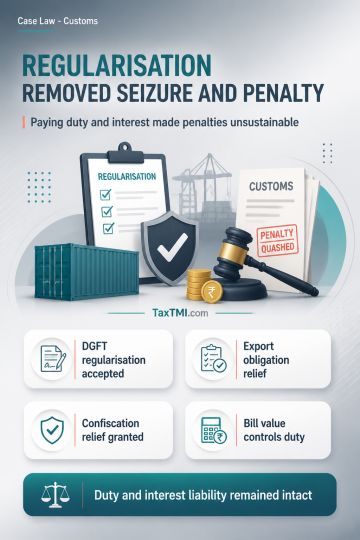
Customs exemptions cover photovoltaic assembly machinery and PVF backsheets, while fully declared cleared imports may avoid confiscation and penalties...
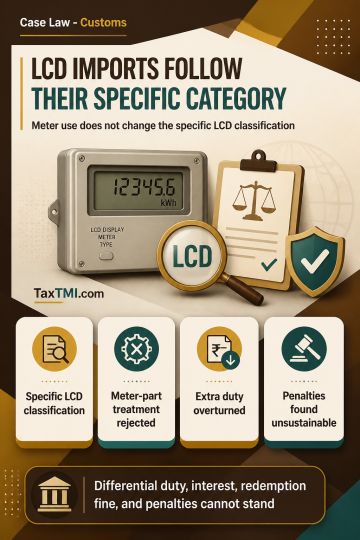
Specific tariff classification for LCD devices overrides treatment as electricity-meter parts, defeating differential duty, extended limitation, and p...
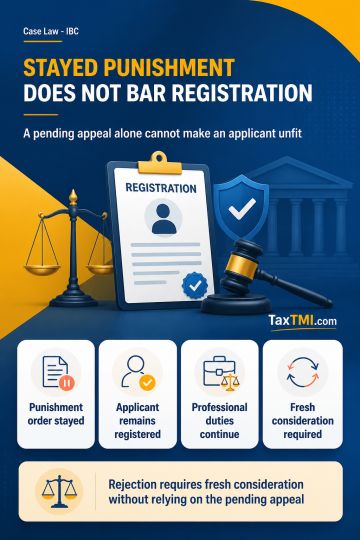
Stayed disciplinary punishment does not establish unfitness for insolvency professional registration; reconsideration must disregard mere pendency of ...
Reopening of assessment - reason to believe or reason to suspect - The ITAT examined the "reasons recorded" by the AO for reopening the assessment. It noted that the AO relied on the information provided by the SEBI order, which alleged manipulative trading practices by certain entities, including the director of the assessee company. However, the court observed that the name of the assessee company itself was not listed among the entities restrained by SEBI. - The Tribunal emphasized that for the reopening of an assessment, the AO must have "reasons to believe" that income has escaped assessment, not merely "reasons to suspect." It found that the information provided by the SEBI order could only trigger "reasons to suspect" and did not meet the legal requirement for reopening.
Reopening of assessment - reason to believe or reason to suspect - The ITAT examined the "reasons recorded" by the AO for reopening the assessment. It noted that the AO relied on the information provided by the SEBI order, which alleged manipulative trading practices by certain entities, including the director of the assessee company. However, the court observed that the name of the assessee company itself was not listed among the entities restrained by SEBI. - The Tribunal emphasized that for the reopening of an assessment, the AO must have "reasons to believe" that income has escaped assessment, not merely "reasons to suspect." It found that the information provided by the SEBI order could only trigger "reasons to suspect" and did not meet the legal requirement for reopening.
Note: It is a system-generated summary and is for quick reference only.
 TaxTMI
  TaxTMI
 of 4884