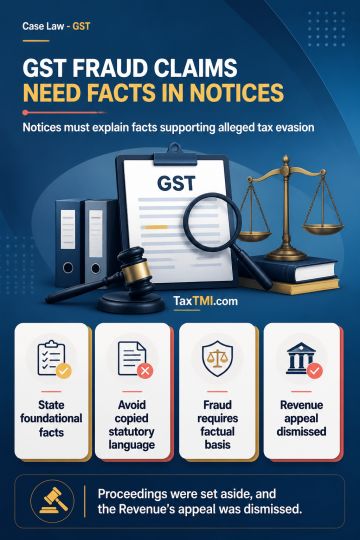
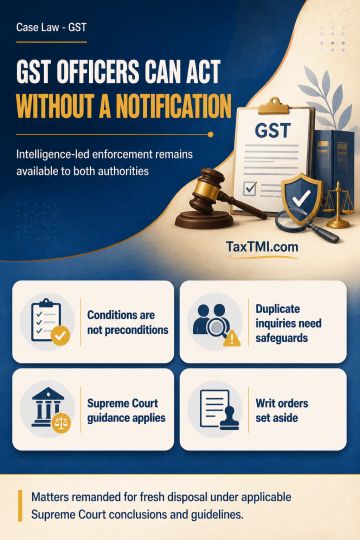
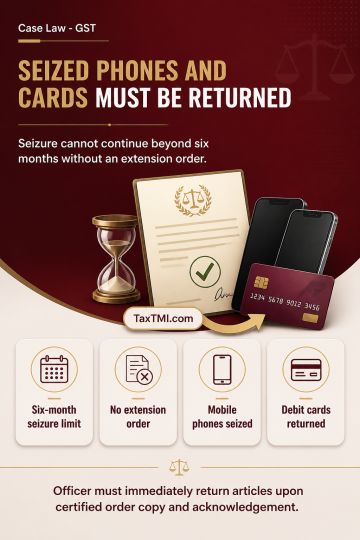
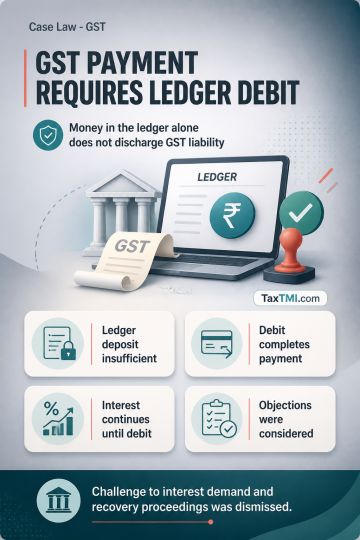
GST cross-empowerment remains effective without conditional notification, while duplicate proceedings require established safeguards against overlappi...
Release of the Amount Seized along with interest u/s 132B(4) read with Rule 119A - Scope of the term 'shall release' - The High court held that the petitioner is entitled to interest if the assessing authority, upon examination, finds that the seized amount was duly explained and not required for satisfying any existing or likely tax demand. - The court interpreted the statutory provisions as directory, not mandatory, stating that the assessing authority's failure to decide within 120 days does not automatically entitle the petitioner to the release of the seized amount. - The writ petition was disposed of without granting the writ of Mandamus as prayed for by the petitioner. Instead, the court directed the Assessing Authority to decide on the petitioner's application within two weeks, ensuring a reasoned and speaking order after hearing the petitioner.
Release of the Amount Seized along with interest u/s 132B(4) read with Rule 119A - Scope of the term 'shall release' - The High court held that the petitioner is entitled to interest if the assessing authority, upon examination, finds that the seized amount was duly explained and not required for satisfying any existing or likely tax demand. - The court interpreted the statutory provisions as directory, not mandatory, stating that the assessing authority's failure to decide within 120 days does not automatically entitle the petitioner to the release of the seized amount. - The writ petition was disposed of without granting the writ of Mandamus as prayed for by the petitioner. Instead, the court directed the Assessing Authority to decide on the petitioner's application within two weeks, ensuring a reasoned and speaking order after hearing the petitioner.
Note: It is a system-generated summary and is for quick reference only.
 TaxTMI
  TaxTMI
 of 4881