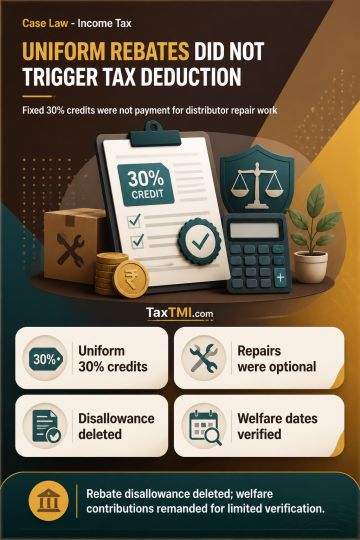
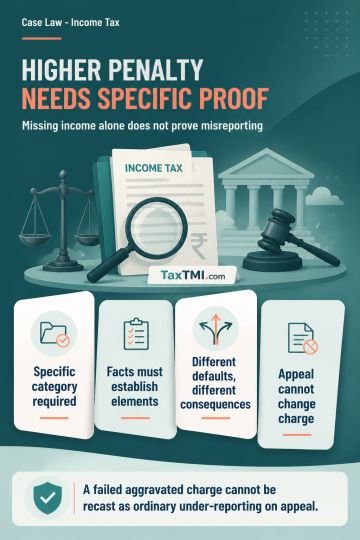
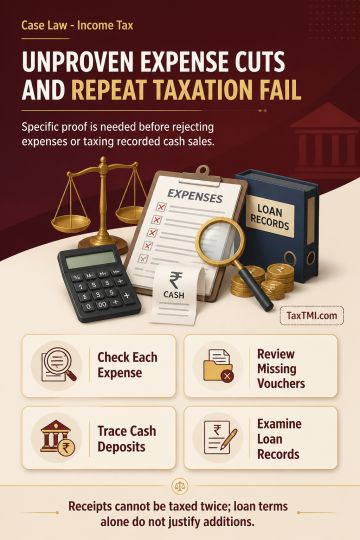
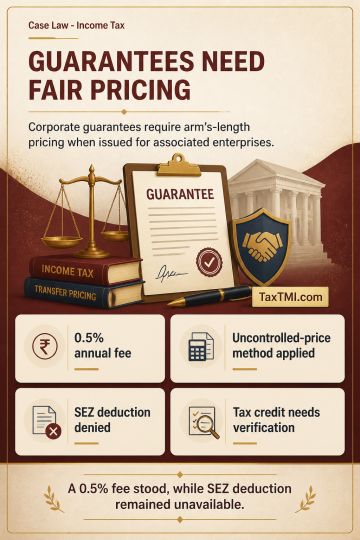
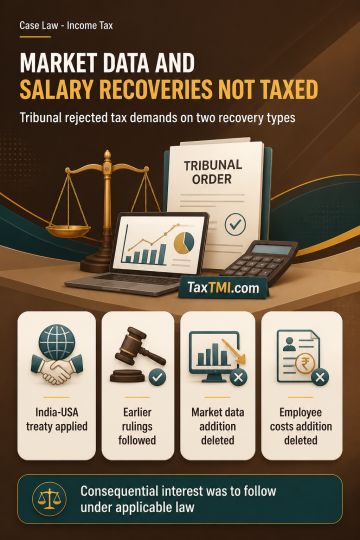
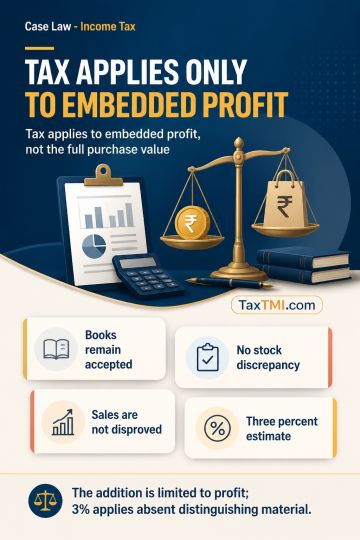
Capital-gains exemption for charitable trusts extends to qualifying fixed deposits, while unrecoverable TDS write-offs may constitute income applicati...
India-UK treaty characterisation of telecom-service receipts as business profits withstands unilateral domestic-law amendments for Indian tax purposes...
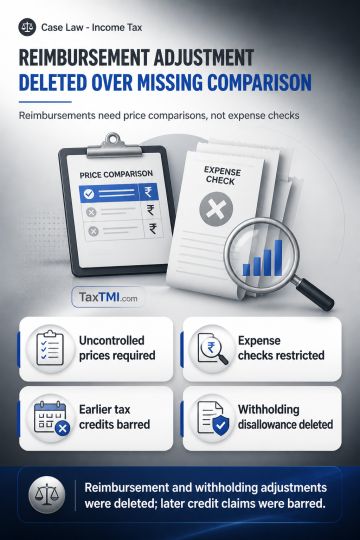
Transfer-pricing reimbursement adjustments require uncontrolled comparables and cannot become expense-genuineness reviews, resulting in deletion of th...
Penalty u/s 271D - Sale of property in cash - meaning of the term “specified sum” - The ITAT examined the definition of "specified sum" under Explanation (iv) to Section 269SS, which pertains to any sum of money receivable, whether as advance or otherwise, in relation to the transfer of an immovable property. It relied on a previous decision by the Co-ordinate Bench of the Tribunal, which held that the provision applies only to advance payments and not to transactions where the final payment is made at the time of registration before the sub-registrar. - The Tribunal noted that the cash received by the assessee was not treated as an advance but as the final payment during the registration of the sale deed. Therefore, it concluded that there was no violation of Section 269SS in the given facts and circumstances.
Penalty u/s 271D - Sale of property in cash - meaning of the term “specified sum” - The ITAT examined the definition of "specified sum" under Explanation (iv) to Section 269SS, which pertains to any sum of money receivable, whether as advance or otherwise, in relation to the transfer of an immovable property. It relied on a previous decision by the Co-ordinate Bench of the Tribunal, which held that the provision applies only to advance payments and not to transactions where the final payment is made at the time of registration before the sub-registrar. - The Tribunal noted that the cash received by the assessee was not treated as an advance but as the final payment during the registration of the sale deed. Therefore, it concluded that there was no violation of Section 269SS in the given facts and circumstances.
Note: It is a system-generated summary and is for quick reference only.
 TaxTMI
  TaxTMI
 of 4886