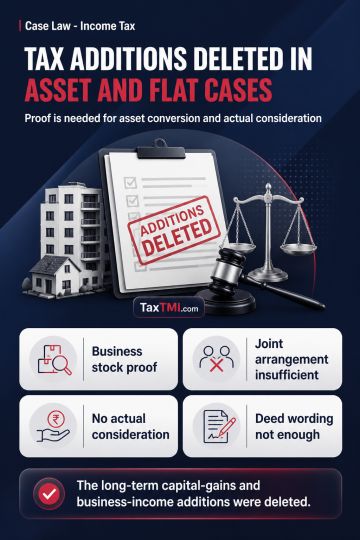
Capital Asset Conversion Requires Proven Business Stock Treatment; Paper Consideration in Spousal Flat Transfers Does Not Create Taxable Business Inco...
Human-probability test defeats political donation deduction where banking records mask accommodation-entry fund layering and evidence shows non-genuin...
Commercial property status protects capital-gains exemption when residential-house ownership limits are tested, while agricultural-land character gove...
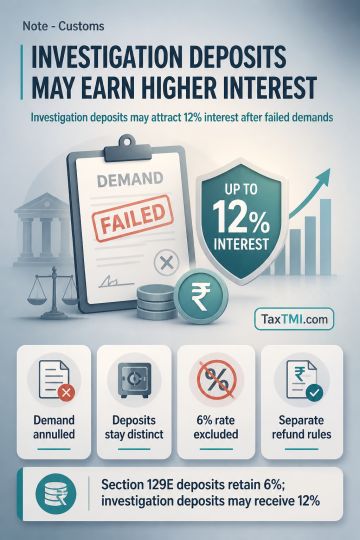
Investigation deposits refunded after failed customs demands fall outside the statutory appellate pre-deposit interest regime and may attract compensa...
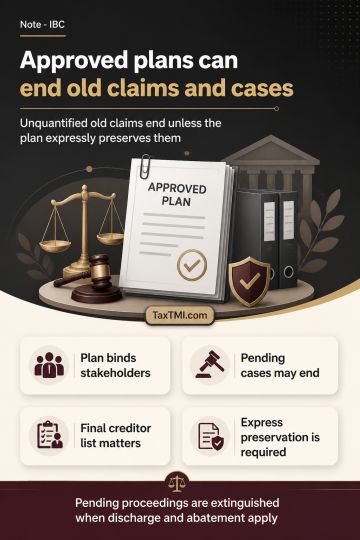
Resolution plan finality extinguishes unquantified operational-creditor claims and pending proceedings unless the approved plan expressly preserves th...
Page of 4897
Press 'Enter' after typing page number.
661 to 680 of 97923 Results
❮
❯
❯❯
0 / 200
Expand Note
Add to Folder
No Folders have been created
+
Are you sure you want to delete "My most important" ?
Levy of penalties u/s 271D and 271E for the violation of sections 269SS and 269T, respectively - The Tribunal, after reviewing precedents from the Supreme Court and various High Courts, emphasized that recording satisfaction in the assessment order regarding the initiation of penalty proceedings is mandatory. It was found that the AO had not recorded such satisfaction, rendering the penalty proceedings under sections 271D and 271E invalid. - Regarding period of limitation, the Tribunal noted that the reference for initiating penalty proceedings made by the AO to the Additional Commissioner was beyond the statutory limitation period. Therefore, the penalties imposed were considered time-barred and legally unsustainable.
Levy of penalties u/s 271D and 271E for the violation of sections 269SS and 269T, respectively - The Tribunal, after reviewing precedents from the Supreme Court and various High Courts, emphasized that recording satisfaction in the assessment order regarding the initiation of penalty proceedings is mandatory. It was found that the AO had not recorded such satisfaction, rendering the penalty proceedings under sections 271D and 271E invalid. - Regarding period of limitation, the Tribunal noted that the reference for initiating penalty proceedings made by the AO to the Additional Commissioner was beyond the statutory limitation period. Therefore, the penalties imposed were considered time-barred and legally unsustainable.
Note: It is a system-generated summary and is for quick reference only.
 TaxTMI
  TaxTMI
 of 4897