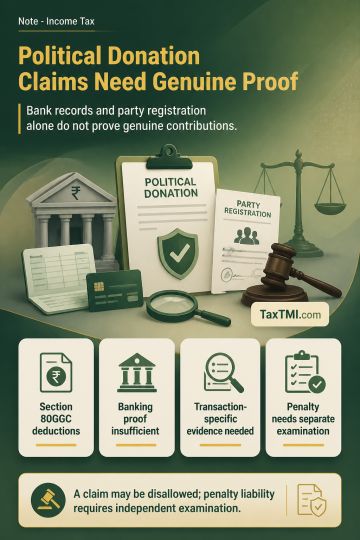
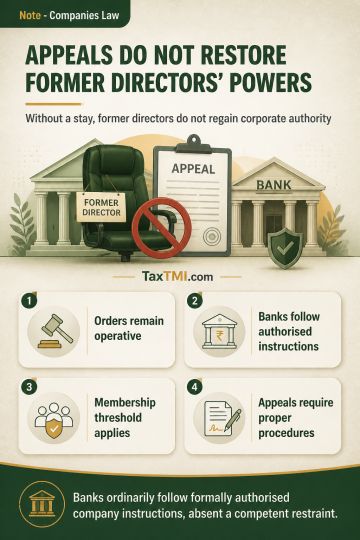
Political contribution deductions require genuine transactions; banking records and party registration alone cannot defeat evidence of accommodation e...
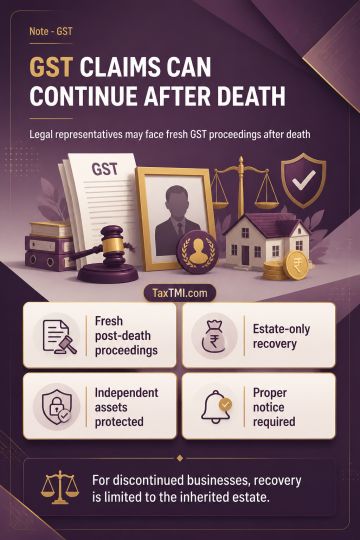
Post-death GST liability permits fresh proceedings against legal representatives, while discontinued-business recovery remains limited to the inherite...
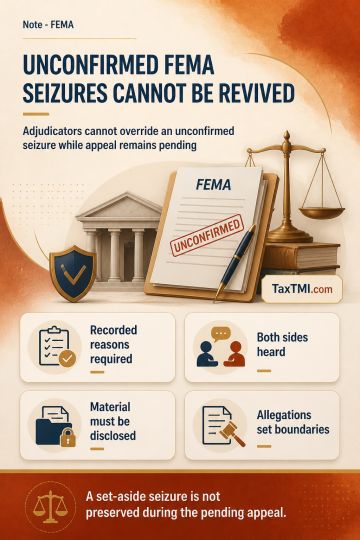
Non-confirmation of FEMA seizure prevents adjudicators from overriding pending appellate findings on recorded reasons and suspected foreign asset hold...
Assessment u/s 153A - addition u/s 68 - The assessee contended that the additions were not based on any incriminating material found during the search. The Tribunal held that no addition could be made under Section 153A in the absence of incriminating material for the years where no assessment was pending. The court accepted this contention and deleted the additions. - The ITAT examined several additions and disallowances made by the assessing officer, including those related to cash deposits, unsecured loans, and depreciation on vehicles. In each instance, the court meticulously evaluated the submissions, documentary evidence, and legal positions before rendering its decisions, often in favor of the assessee by deleting unjustified additions.
Assessment u/s 153A - addition u/s 68 - The assessee contended that the additions were not based on any incriminating material found during the search. The Tribunal held that no addition could be made under Section 153A in the absence of incriminating material for the years where no assessment was pending. The court accepted this contention and deleted the additions. - The ITAT examined several additions and disallowances made by the assessing officer, including those related to cash deposits, unsecured loans, and depreciation on vehicles. In each instance, the court meticulously evaluated the submissions, documentary evidence, and legal positions before rendering its decisions, often in favor of the assessee by deleting unjustified additions.
Note: It is a system-generated summary and is for quick reference only.
 TaxTMI
  TaxTMI
 of 4918