Customs Broker due diligence requires prescribed KYC, not detecting misdeclarations discoverable only through physical examination, defeating licence ...
E-filing system failure permits exclusion of affected time in insolvency appeals, preventing tribunal technology defects from defeating timely filings...
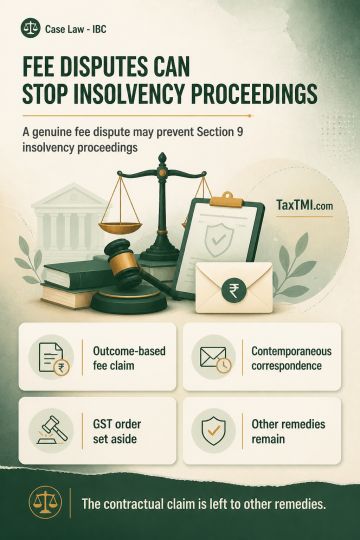
Pre-existing disputes over outcome-based professional fees can bar Section 9 insolvency proceedings where contractual entitlement requires investigati...
Corresponding scheduled offences preserve money-laundering jurisdiction despite repeal of the central corruption provision where conduct remains cover...
Contempt application preferred by the appellant alleging non-compliance of order passed by the learned Single Judge of the High Court - entitlement to refund of the excess payment made by the petitioner - The Supreme Court held that, the learned Single Judge was not justified in discharging the respondents in the contempt case without ensuring payment of the refund amount with interest to the appellant herein. - The Court grants relief to the appellant, directing the respondents to refund the excess amount paid with interest at the rate of 12% per annum for specified periods, and imposes a deadline for compliance with the order.
Contempt application preferred by the appellant alleging non-compliance of order passed by the learned Single Judge of the High Court - entitlement to refund of the excess payment made by the petitioner - The Supreme Court held that, the learned Single Judge was not justified in discharging the respondents in the contempt case without ensuring payment of the refund amount with interest to the appellant herein. - The Court grants relief to the appellant, directing the respondents to refund the excess amount paid with interest at the rate of 12% per annum for specified periods, and imposes a deadline for compliance with the order.
Note: It is a system-generated summary and is for quick reference only.
 TaxTMI
  TaxTMI
 of 4897