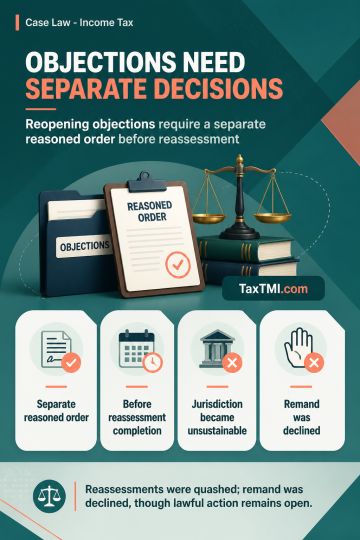
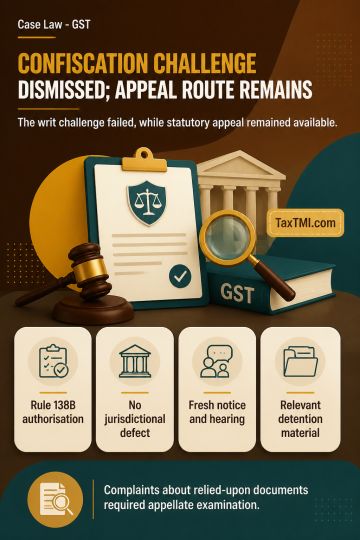
Separate speaking orders on reopening objections are mandatory; deciding them within reassessment invalidates jurisdiction and precludes revival of st...
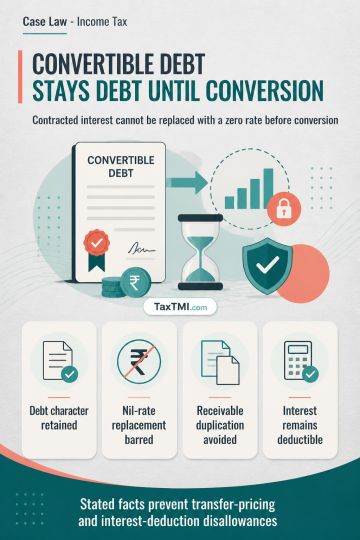
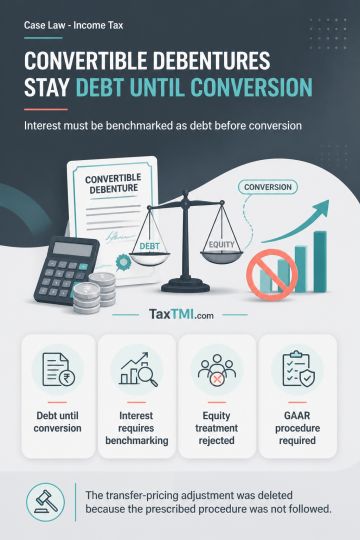
Compulsorily convertible debentures remain debt before conversion, preventing transfer-pricing and interest-deduction disallowances on the stated fact...
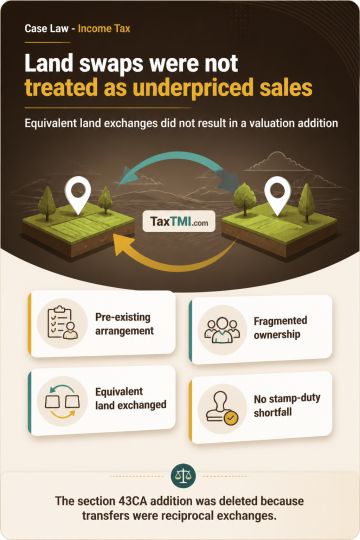
Stock-in-trade transfer taxability follows possession and consideration, not later conveyance registration, limiting deemed-value provisions to the ac...
Penalty u/s 129(3) of the Uttar Pradesh Goods and Services Tax Act, 2017 - goods detained on the ground that the goods were being transported on a vehicle different from that declared on e-way bill - onus to prove (shifting burden on petitioner) - The High Court held that, the intention to evade tax is sine qua non before imposition of penalty. I - Based on the lack of evidence demonstrating an intention to evade tax and the adherence to tax regulations by the petitioner, the High Court quashes the orders imposing penalties under Section 129(3) of the Act and allows the writ petition.
Penalty u/s 129(3) of the Uttar Pradesh Goods and Services Tax Act, 2017 - goods detained on the ground that the goods were being transported on a vehicle different from that declared on e-way bill - onus to prove (shifting burden on petitioner) - The High Court held that, the intention to evade tax is sine qua non before imposition of penalty. I - Based on the lack of evidence demonstrating an intention to evade tax and the adherence to tax regulations by the petitioner, the High Court quashes the orders imposing penalties under Section 129(3) of the Act and allows the writ petition.
Note: It is a system-generated summary and is for quick reference only.
 TaxTMI
  TaxTMI
 of 4891