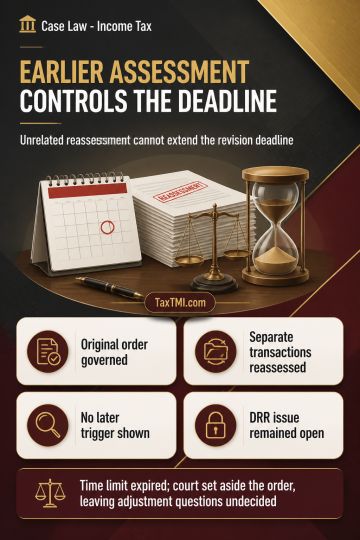
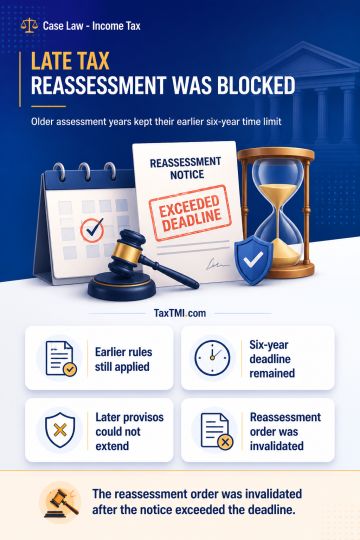
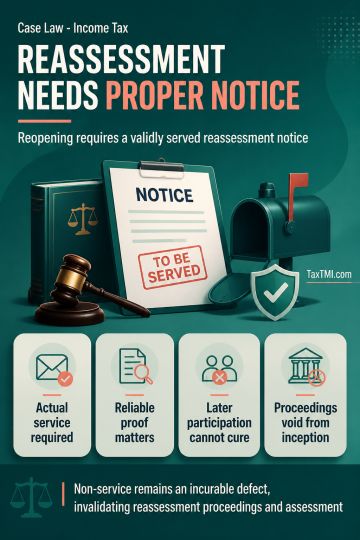
Pre-amendment reassessment limitation bars late notices under the preserved regime, invalidating consequential reassessment for affected earlier asses...
Cash-sales explanations for bank deposits require documentary reconciliation; reassessment notice survived where effective response time was available...
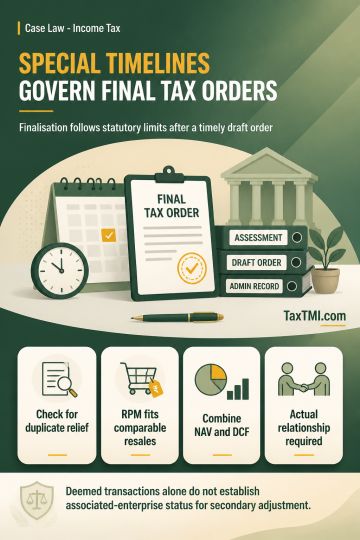
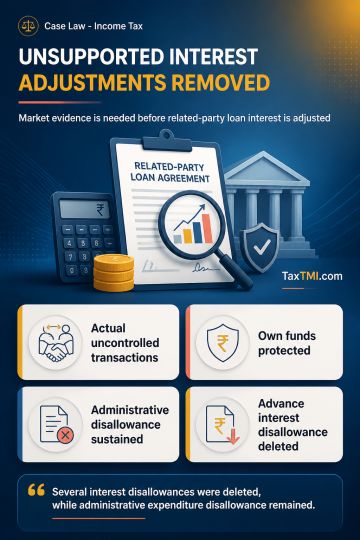
Functional comparability in transfer pricing prevents ad hoc arm's length adjustments where functions, assets, risks and reliable comparables are unes...
Dishonour of Cheque - applicability of principles of discharge - allegations of taking the amount on the pretext of Chinese technology - Forged documents and cheating - The High Court held that while the case under Section 138 of the Negotiable Instruments Act was not made out, a prima facie case under Sections 406 and 420 of the Indian Penal Code existed. Consequently, the petition was allowed in part, with the petitioner discharged from liability under Section 138 of the Negotiable Instruments Act but facing further proceedings under Sections 406 and 420 of the Indian Penal Code.
Dishonour of Cheque - applicability of principles of discharge - allegations of taking the amount on the pretext of Chinese technology - Forged documents and cheating - The High Court held that while the case under Section 138 of the Negotiable Instruments Act was not made out, a prima facie case under Sections 406 and 420 of the Indian Penal Code existed. Consequently, the petition was allowed in part, with the petitioner discharged from liability under Section 138 of the Negotiable Instruments Act but facing further proceedings under Sections 406 and 420 of the Indian Penal Code.
Note: It is a system-generated summary and is for quick reference only.
 TaxTMI
  TaxTMI
 of 4918