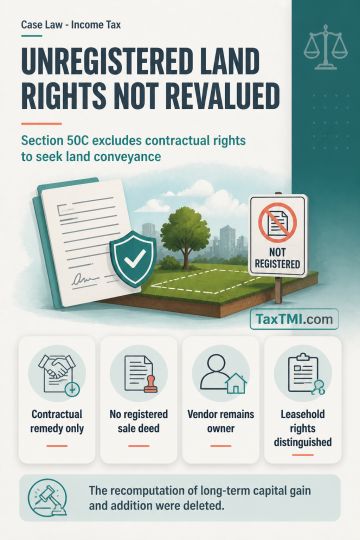
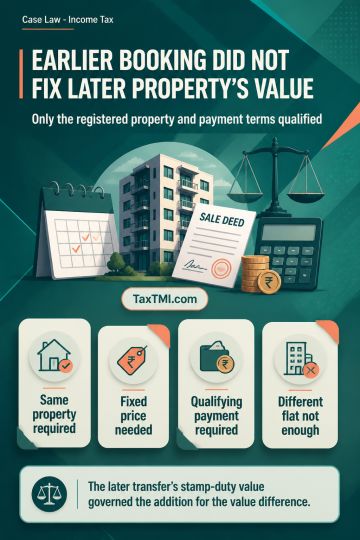
Agreement-date stamp valuation requires the same registered property, fixed consideration, and qualifying payment; an unrelated prior booking cannot a...
Validity of circular of RBI - directions issued to online payment gateway services - non-banking entities which offer payment aggregation services - - The 2009 Directions involved an indirect regulation and supervision of PAs. However, after RBI had put its Discussion paper in the public domain, the responses received by it were examined internally by the Board. The result of such deliberation convinced the RBI, that it should work on the third option outlined in the Discussion paper i.e., that which involved RBI's direct regulation and supervision of PAs since they were handling funds of customers. - The public interest element, which is imbued in the framing of the Guidelines, trumps the concerns raised by the petitioners. - HC
Validity of circular of RBI - directions issued to online payment gateway services - non-banking entities which offer payment aggregation services - - The 2009 Directions involved an indirect regulation and supervision of PAs. However, after RBI had put its Discussion paper in the public domain, the responses received by it were examined internally by the Board. The result of such deliberation convinced the RBI, that it should work on the third option outlined in the Discussion paper i.e., that which involved RBI's direct regulation and supervision of PAs since they were handling funds of customers. - The public interest element, which is imbued in the framing of the Guidelines, trumps the concerns raised by the petitioners. - HC
Note: It is a system-generated summary and is for quick reference only.
 TaxTMI
  TaxTMI
 of 4891