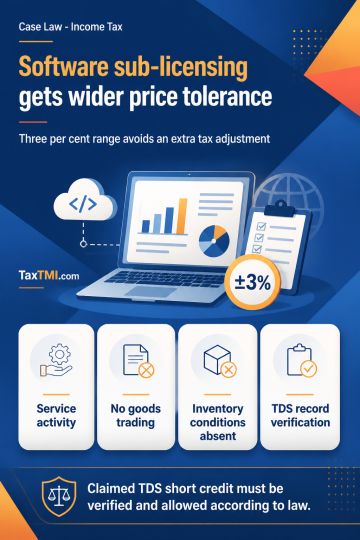
Transfer-pricing tolerance for software sub-licensing falls within the services range, eliminating the adjustment and requiring TDS-credit verificatio...
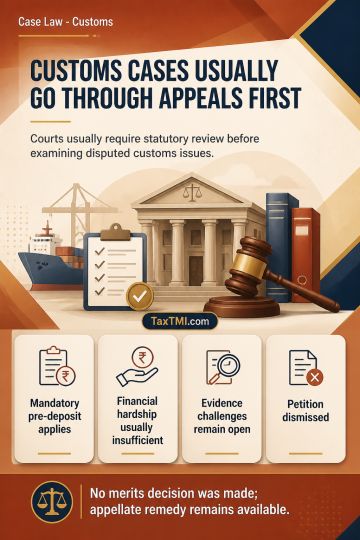
Customs Broker due diligence requires prescribed KYC, not detecting misdeclarations discoverable only through physical examination, defeating licence ...
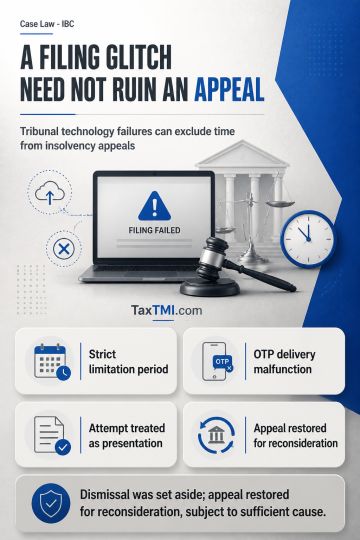
E-filing system failure permits exclusion of affected time in insolvency appeals, preventing tribunal technology defects from defeating timely filings...
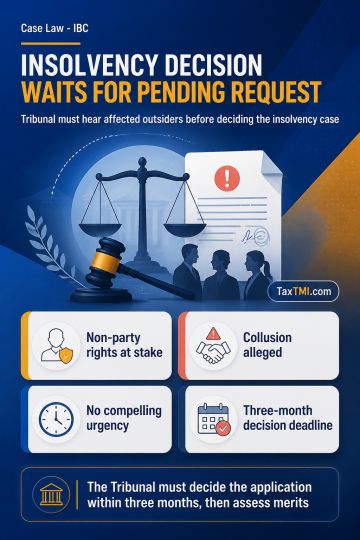
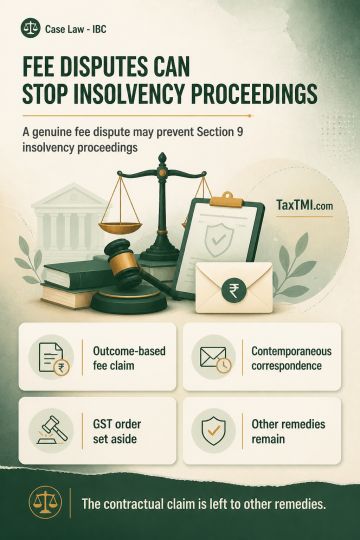
Pre-existing disputes over outcome-based professional fees can bar Section 9 insolvency proceedings where contractual entitlement requires investigati...
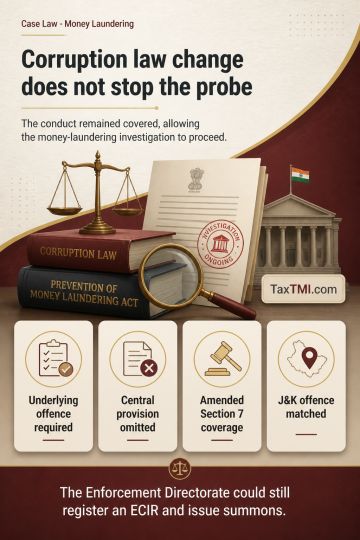
Corresponding scheduled offences preserve money-laundering jurisdiction despite repeal of the central corruption provision where conduct remains cover...
Power to CIT(A) to set aside the order and remand back to AO - CIT(A) has only directed the AO to determine the actual distance based on these findings and then accordingly deal with the adjustment to be made. There is clearly a difference between setting aside an issue to the A.O., which power the Ld. CIT(A) does not have as per Section 251 of the Act, and giving directions to the AO. An issue set aside to the AO is left for adjudication to him, while in a case giving directions, the issue is restored to the AO only for acting on the adjudication done by the CIT(A). - AT
Power to CIT(A) to set aside the order and remand back to AO - CIT(A) has only directed the AO to determine the actual distance based on these findings and then accordingly deal with the adjustment to be made. There is clearly a difference between setting aside an issue to the A.O., which power the Ld. CIT(A) does not have as per Section 251 of the Act, and giving directions to the AO. An issue set aside to the AO is left for adjudication to him, while in a case giving directions, the issue is restored to the AO only for acting on the adjudication done by the CIT(A). - AT
Note: It is a system-generated summary and is for quick reference only.
 TaxTMI
  TaxTMI
 of 4888