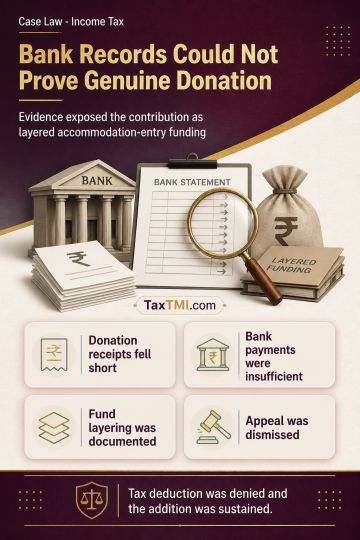
Human-probability test defeats political donation deduction where banking records mask accommodation-entry fund layering and evidence shows non-genuin...
Commercial property status protects capital-gains exemption when residential-house ownership limits are tested, while agricultural-land character gove...
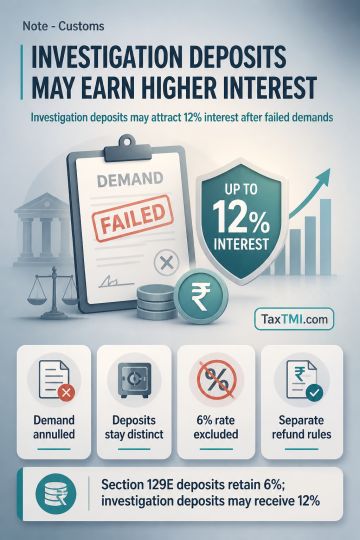
Investigation deposits refunded after failed customs demands fall outside the statutory appellate pre-deposit interest regime and may attract compensa...
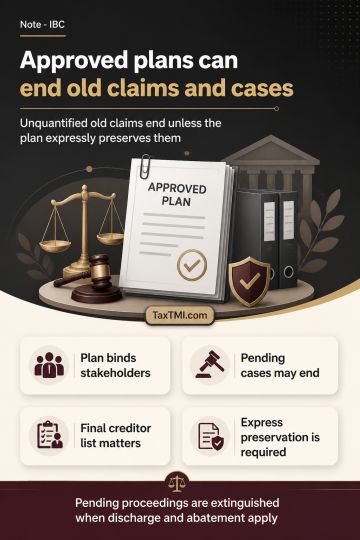
Resolution plan finality extinguishes unquantified operational-creditor claims and pending proceedings unless the approved plan expressly preserves th...
Levy of IGST - Scope and power of state legislature versus GST Council - The recommendations of the GST Council are not binding on the Union and States - Neither does Article 279A begin with a non-obstante clause nor does Article 246A state that it is subject to the provisions of Article 279A. The Parliament and the State legislatures possess simultaneous power to legislate on GST. Article 246A does not envisage a repugnancy provision to resolve the inconsistencies between the Central and the State laws on GST. The ‘recommendations’ of the GST Council are the product of a collaborative dialogue involving the Union and States. They are recommendatory in nature. To regard them as binding edicts would disrupt fiscal federalism, where both the Union and the States are conferred equal power to legislate on GST. - SC
Levy of IGST - Scope and power of state legislature versus GST Council - The recommendations of the GST Council are not binding on the Union and States - Neither does Article 279A begin with a non-obstante clause nor does Article 246A state that it is subject to the provisions of Article 279A. The Parliament and the State legislatures possess simultaneous power to legislate on GST. Article 246A does not envisage a repugnancy provision to resolve the inconsistencies between the Central and the State laws on GST. The ‘recommendations’ of the GST Council are the product of a collaborative dialogue involving the Union and States. They are recommendatory in nature. To regard them as binding edicts would disrupt fiscal federalism, where both the Union and the States are conferred equal power to legislate on GST. - SC
Note: It is a system-generated summary and is for quick reference only.
 TaxTMI
  TaxTMI
 of 4881