Capital-gains exemption for charitable trusts extends to qualifying fixed deposits, while unrecoverable TDS write-offs may constitute income applicati...
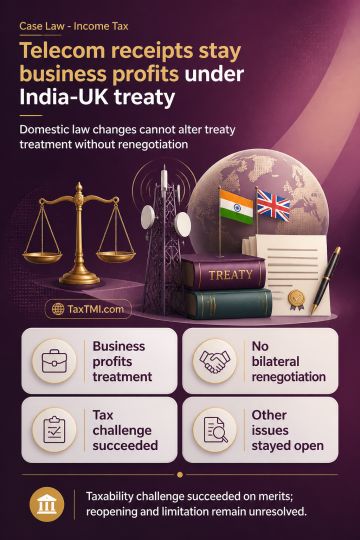
India-UK treaty characterisation of telecom-service receipts as business profits withstands unilateral domestic-law amendments for Indian tax purposes...
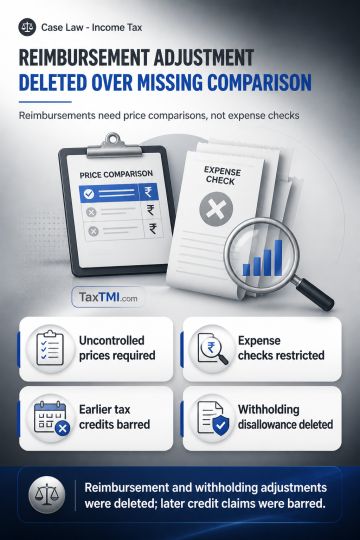
Transfer-pricing reimbursement adjustments require uncontrolled comparables and cannot become expense-genuineness reviews, resulting in deletion of th...
Food import sampling requirements support provisional release where unseized consignments conform to standards and raw areca classification is unestab...
Levy of IGST - Scope and power of state legislature versus GST Council - The recommendations of the GST Council are not binding on the Union and States - Neither does Article 279A begin with a non-obstante clause nor does Article 246A state that it is subject to the provisions of Article 279A. The Parliament and the State legislatures possess simultaneous power to legislate on GST. Article 246A does not envisage a repugnancy provision to resolve the inconsistencies between the Central and the State laws on GST. The ‘recommendations’ of the GST Council are the product of a collaborative dialogue involving the Union and States. They are recommendatory in nature. To regard them as binding edicts would disrupt fiscal federalism, where both the Union and the States are conferred equal power to legislate on GST. - SC
Levy of IGST - Scope and power of state legislature versus GST Council - The recommendations of the GST Council are not binding on the Union and States - Neither does Article 279A begin with a non-obstante clause nor does Article 246A state that it is subject to the provisions of Article 279A. The Parliament and the State legislatures possess simultaneous power to legislate on GST. Article 246A does not envisage a repugnancy provision to resolve the inconsistencies between the Central and the State laws on GST. The ‘recommendations’ of the GST Council are the product of a collaborative dialogue involving the Union and States. They are recommendatory in nature. To regard them as binding edicts would disrupt fiscal federalism, where both the Union and the States are conferred equal power to legislate on GST. - SC
Note: It is a system-generated summary and is for quick reference only.
 TaxTMI
  TaxTMI
 of 4879