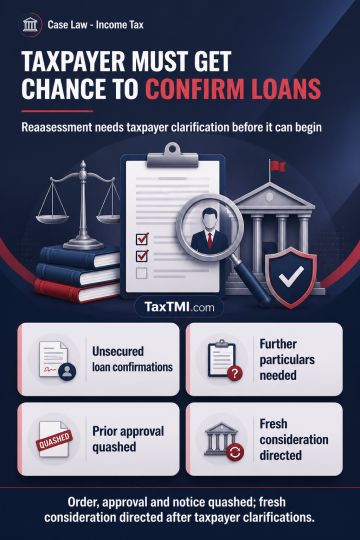
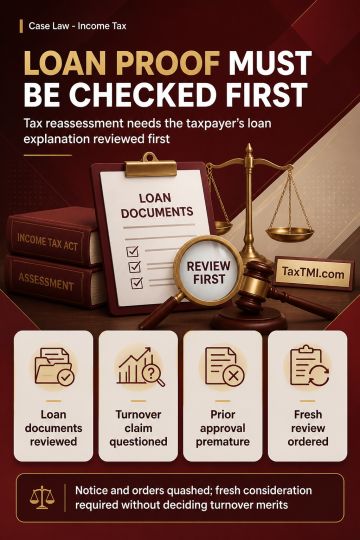
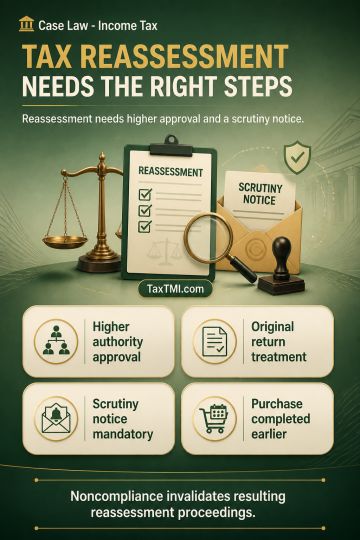
Opportunity to furnish unsecured-loan confirmations is required before reassessment initiation; proceedings require fresh consideration after taxpayer...
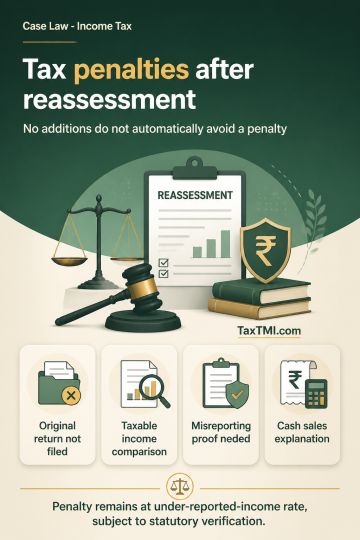
Under-reporting on a first reassessment return attracts penalty, while enhanced misreporting penalty requires proof of a statutory misreporting catego...
Levy of penalty of dismissal from service - Fraud by the Bank Clerk - industrial dispute - Breach of duty as a custodian of public money - The respondent was a clerk-cum-cashier. It is a post of confidence. The respondent breached that confidence. In fact, the respondent breached the trust of a widowed sister-in-law as well as of the bank, making it hardly a case for interference either on law or on moral grounds. The punishment imposed on the respondent could also hardly be said to be disproportionate. The conduct established of the respondent did not entitle him to continue in service. - SC
Levy of penalty of dismissal from service - Fraud by the Bank Clerk - industrial dispute - Breach of duty as a custodian of public money - The respondent was a clerk-cum-cashier. It is a post of confidence. The respondent breached that confidence. In fact, the respondent breached the trust of a widowed sister-in-law as well as of the bank, making it hardly a case for interference either on law or on moral grounds. The punishment imposed on the respondent could also hardly be said to be disproportionate. The conduct established of the respondent did not entitle him to continue in service. - SC
Note: It is a system-generated summary and is for quick reference only.
 TaxTMI
  TaxTMI
 of 4915