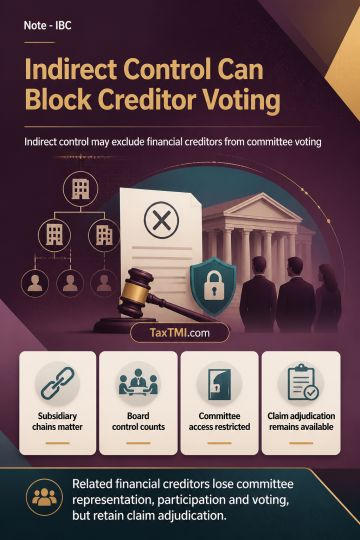
Indirect corporate control can create related-party status, excluding financial creditors from Committee of Creditors representation, participation an...
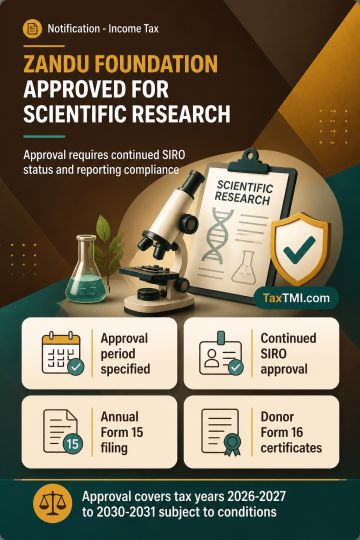
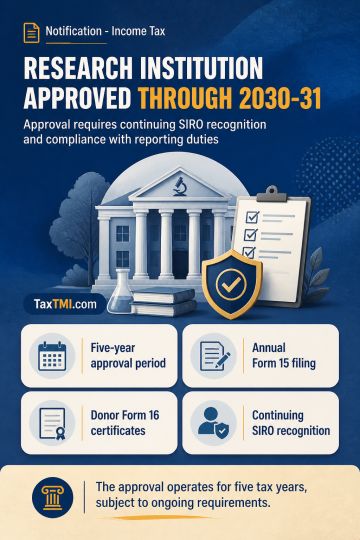
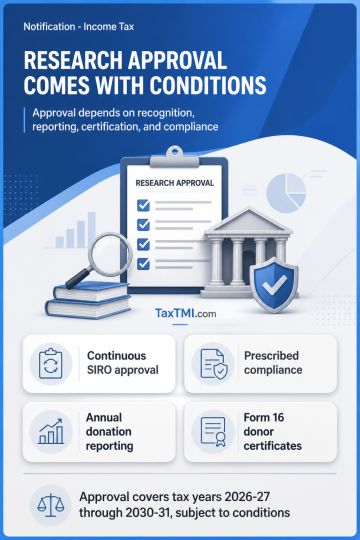
Scientific research association approval requires continuing SIRO status, annual donation reporting, and donor certificates for the approved foundatio...
Scientific research institution approval is conditional on SIRO recognition, annual donation reporting, donor certification, and prescribed compliance...
Dishonor of Cheque - discharge of legally enforceable debt - the defence sought to be put forth relating to the cheque and other documents having been obtained by force, cannot be accepted as a probable defence when the respondent successfully discharged the initial burden cast on him of establishing that the cheque signed by the appellant was issued in his favour toward discharge of a legally recoverable amount. The fact that the appellant has admitted about an earlier transaction where according to him, he had borrowed the amount and repaid the same in the year 1995, would indicate that the appellant and the respondent had entered into financial transactions earlier as well and another transaction was probable between the parties who were known to each other. - SC
Dishonor of Cheque - discharge of legally enforceable debt - the defence sought to be put forth relating to the cheque and other documents having been obtained by force, cannot be accepted as a probable defence when the respondent successfully discharged the initial burden cast on him of establishing that the cheque signed by the appellant was issued in his favour toward discharge of a legally recoverable amount. The fact that the appellant has admitted about an earlier transaction where according to him, he had borrowed the amount and repaid the same in the year 1995, would indicate that the appellant and the respondent had entered into financial transactions earlier as well and another transaction was probable between the parties who were known to each other. - SC
Note: It is a system-generated summary and is for quick reference only.
 TaxTMI
  TaxTMI
 of 4884