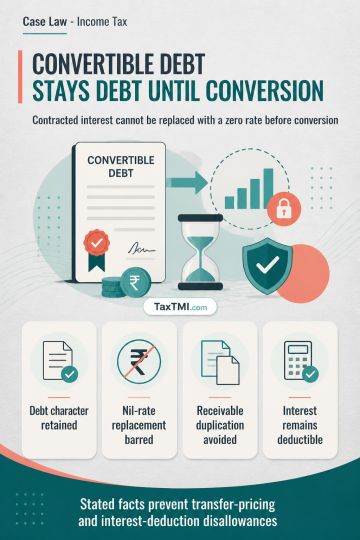
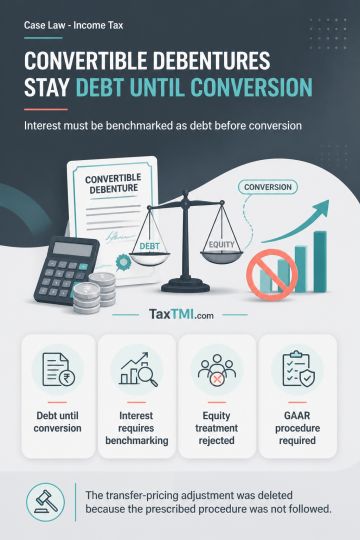
Compulsorily convertible debentures remain debt before conversion, preventing transfer-pricing and interest-deduction disallowances on the stated fact...
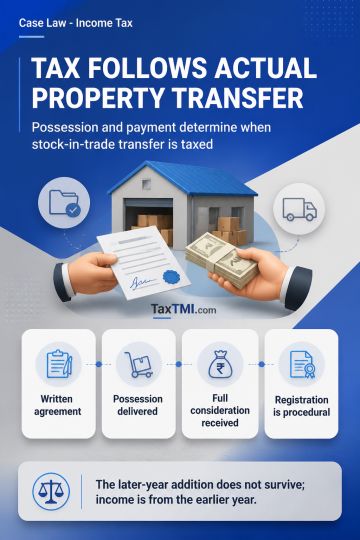
Stock-in-trade transfer taxability follows possession and consideration, not later conveyance registration, limiting deemed-value provisions to the ac...
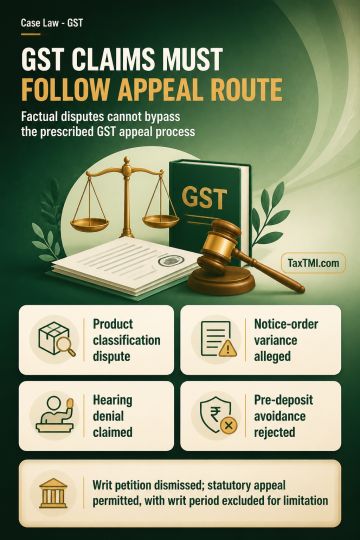
Alternative statutory remedy under GST bars writ challenge where classification, notice variance, and hearing disputes require factual appellate revie...
Dishonor of Cheque - Generally, in the criminal law, mens rea is an essential component of crime but dishonour of cheque is a criminal offence where there is no need to prove a mens rea. The offence under Section 138 would be made out only if the dishonoured cheque is drawn by the drawer in favour of the drawee for discharge of legally enforceable debt or liability. Essentially, there is element of civil liability between the drawer and drawee of the cheque but if the ingredients of Section 138 are made out, it is a criminal offence to be tried in the manner provided under Section 142 of the NI Act. - HC
Dishonor of Cheque - Generally, in the criminal law, mens rea is an essential component of crime but dishonour of cheque is a criminal offence where there is no need to prove a mens rea. The offence under Section 138 would be made out only if the dishonoured cheque is drawn by the drawer in favour of the drawee for discharge of legally enforceable debt or liability. Essentially, there is element of civil liability between the drawer and drawee of the cheque but if the ingredients of Section 138 are made out, it is a criminal offence to be tried in the manner provided under Section 142 of the NI Act. - HC
Note: It is a system-generated summary and is for quick reference only.
 TaxTMI
  TaxTMI
 of 4888