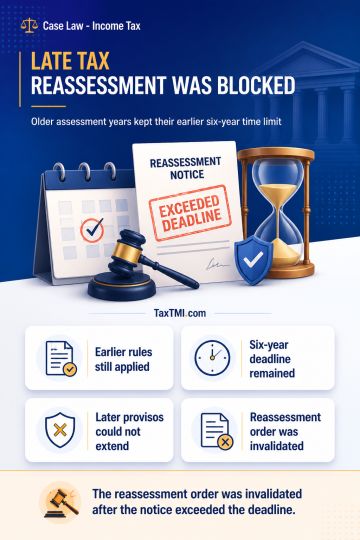
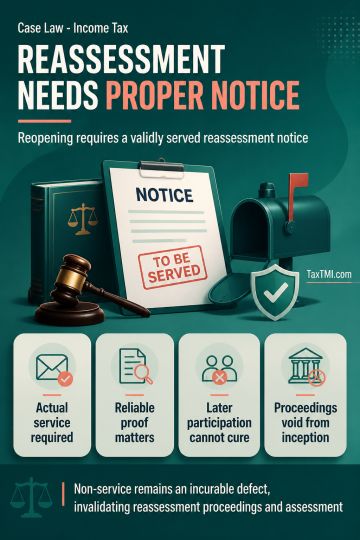
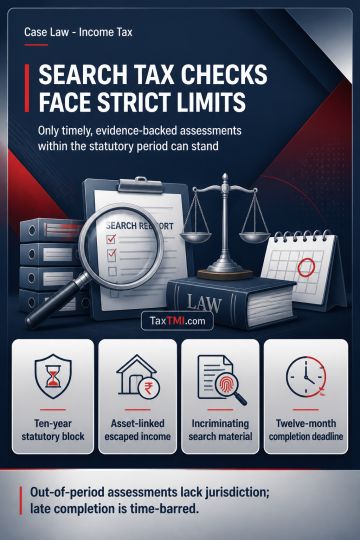
Pre-amendment reassessment limitation bars late notices under the preserved regime, invalidating consequential reassessment for affected earlier asses...
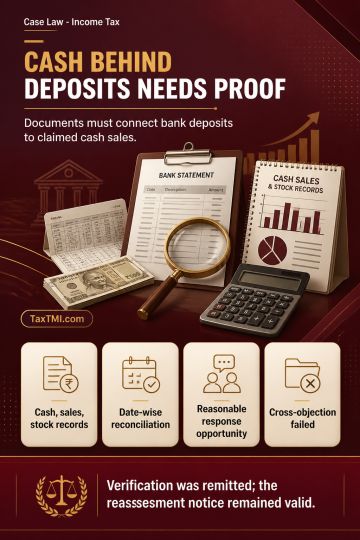
Cash-sales explanations for bank deposits require documentary reconciliation; reassessment notice survived where effective response time was available...
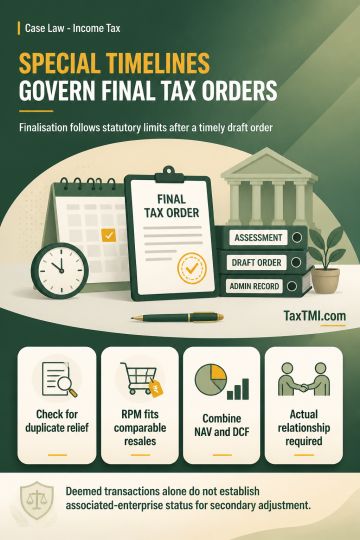
Functional comparability in transfer pricing prevents ad hoc arm's length adjustments where functions, assets, risks and reliable comparables are unes...
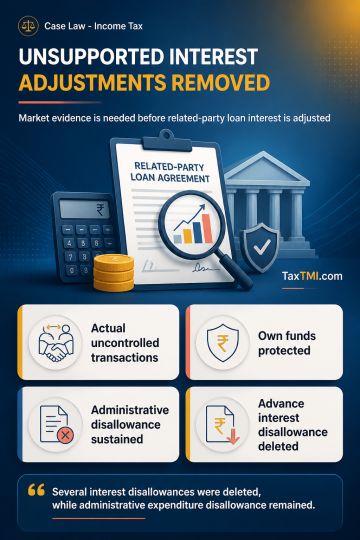
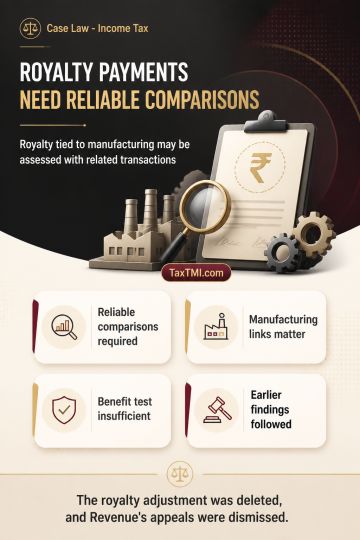
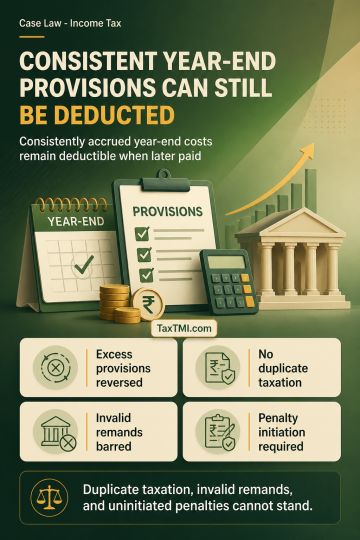
Contingency expenses, exempt-income disallowance, and royalty benchmarking: unsupported adjustments were deleted under consistent accounting and trans...
Dishonor of Cheque - insufficiency of funds - The Court below has materially erred in not properly appreciating and considering the presumption in favour of complainant-appellant herein that there exists a legally enforceable subsisting debt or liability as per Section 139 of the Act. Further, it is relevant to note here that the trial Court has committed a serious error in shifting the burden of proof to prove the debt or liability and the existence of a debt without appreciating the mandate of legislation as laid down in Section 139 of the Act. Section 139 of the Act is an example of reverse onus clause and therefore once issuance of cheque has been admitted and signature on the cheque has been admitted and in this case transaction of loan is also admitted. There is always a presumption in favour of appellant-complainant - HC
Dishonor of Cheque - insufficiency of funds - The Court below has materially erred in not properly appreciating and considering the presumption in favour of complainant-appellant herein that there exists a legally enforceable subsisting debt or liability as per Section 139 of the Act. Further, it is relevant to note here that the trial Court has committed a serious error in shifting the burden of proof to prove the debt or liability and the existence of a debt without appreciating the mandate of legislation as laid down in Section 139 of the Act. Section 139 of the Act is an example of reverse onus clause and therefore once issuance of cheque has been admitted and signature on the cheque has been admitted and in this case transaction of loan is also admitted. There is always a presumption in favour of appellant-complainant - HC
Note: It is a system-generated summary and is for quick reference only.
 TaxTMI
 TaxTMI

 of 4918