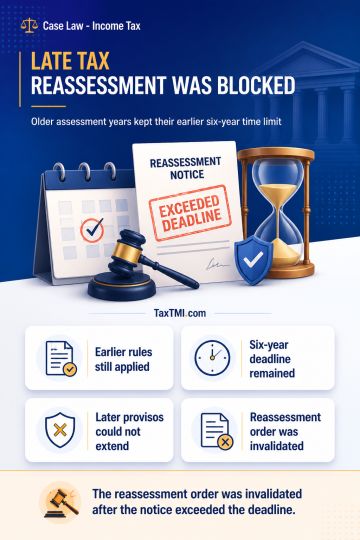
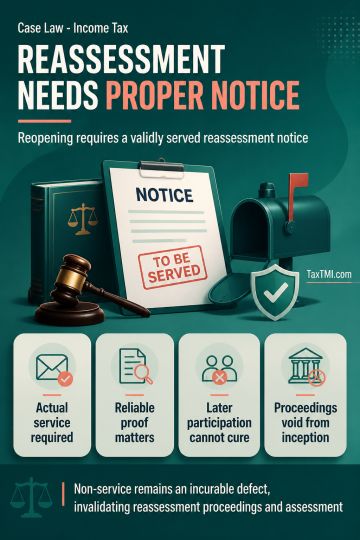
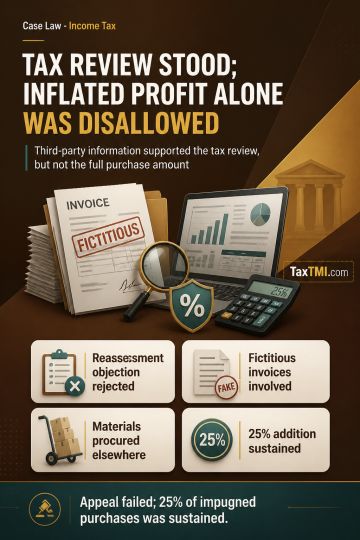
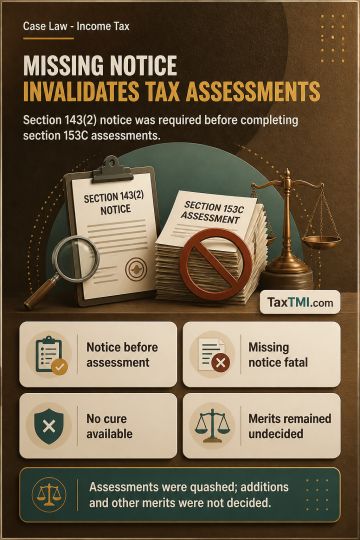
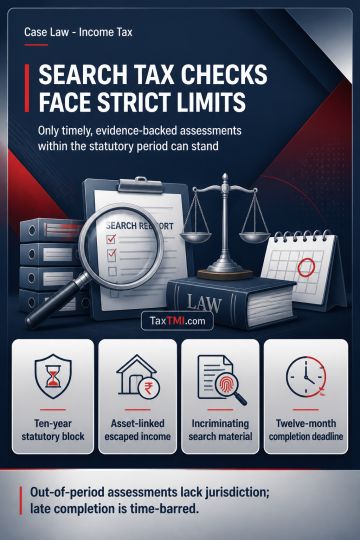
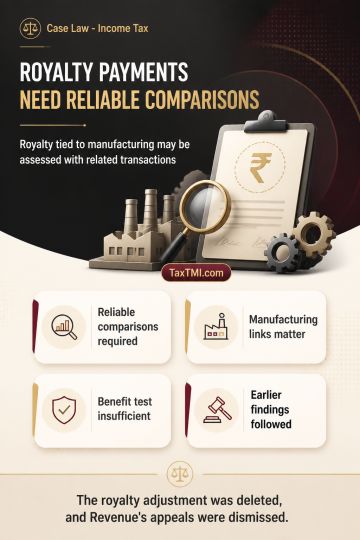
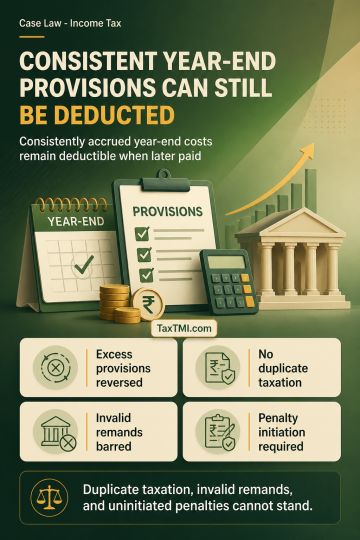
Pre-amendment reassessment limitation bars late notices under the preserved regime, invalidating consequential reassessment for affected earlier asses...
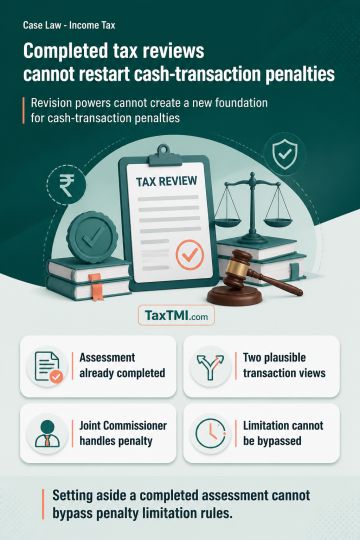
Cash-sales explanations for bank deposits require documentary reconciliation; reassessment notice survived where effective response time was available...
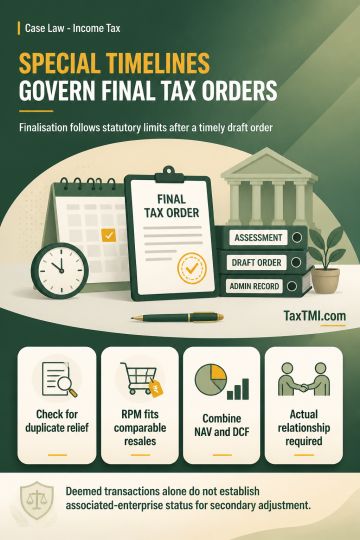
Functional comparability in transfer pricing prevents ad hoc arm's length adjustments where functions, assets, risks and reliable comparables are unes...
Contingency expenses, exempt-income disallowance, and royalty benchmarking: unsupported adjustments were deleted under consistent accounting and trans...
Insolvency and BankruptcyJanuary 15, 2021Case LawsAT
Initiation of CIRP - since the I&B Code is not a complete Code, provisions of Limitation Act are attracted to proceedings under it before NCLT and NCLAT as far as applicable i.e. in regard to matters not specifically provided for in I&B Code. The whole mechanism of triggering of Corporate Insolvency Resolution Process revolves round the concept of ‘debt’ and ‘default’. Once debt and default are established, the Financial Creditor, the Operational Creditor or the Corporate Person can initiate the CIRP by filing application respectively under Section 7, 9 or 10 of I&B Code in prescribed format before the Adjudicating Authority. - AT
Initiation of CIRP - since the I&B Code is not a complete Code, provisions of Limitation Act are attracted to proceedings under it before NCLT and NCLAT as far as applicable i.e. in regard to matters not specifically provided for in I&B Code. The whole mechanism of triggering of Corporate Insolvency Resolution Process revolves round the concept of ‘debt’ and ‘default’. Once debt and default are established, the Financial Creditor, the Operational Creditor or the Corporate Person can initiate the CIRP by filing application respectively under Section 7, 9 or 10 of I&B Code in prescribed format before the Adjudicating Authority. - AT
Note: It is a system-generated summary and is for quick reference only.
 TaxTMI
 TaxTMI

 of 4918