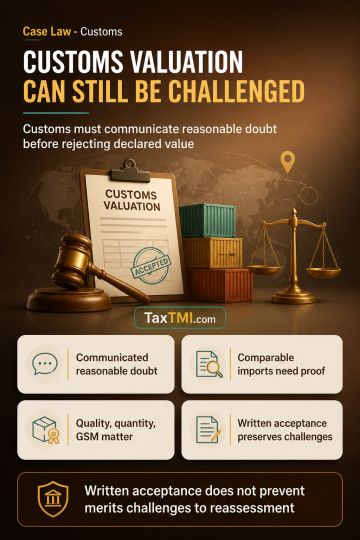
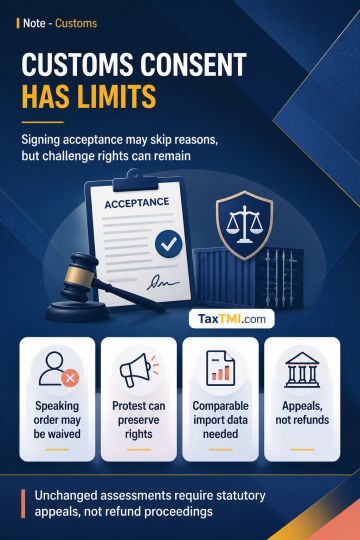
Customs transaction value rejection requires communicated reasonable doubt, while written reassessment acceptance preserves challenges to enhanced val...
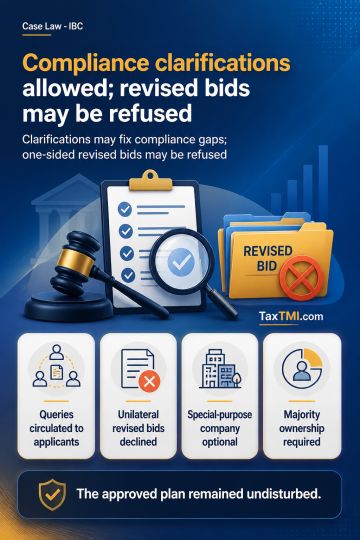
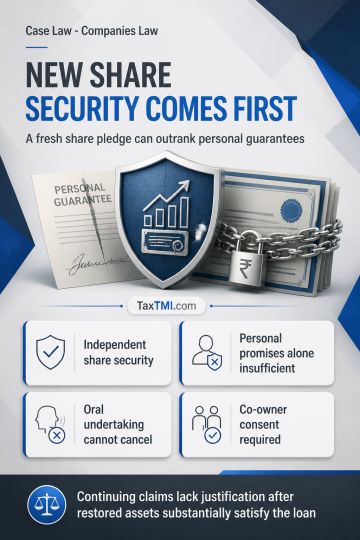
Challenge-mechanism compliance clarifications permitted, while unilateral revised resolution plans may be refused under creditors' commercial discreti...
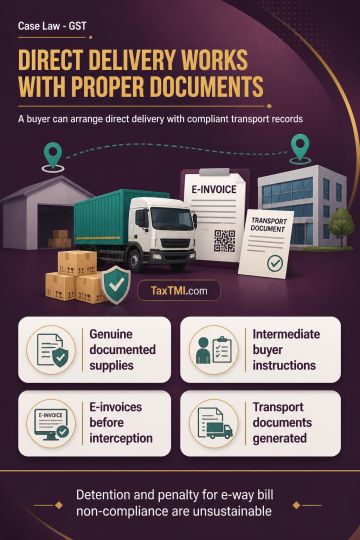
Bill-to/Ship-to transactions permit an intermediate purchaser to instruct the original supplier to dispatch goods directly to the ultimate recipient, provided the supplies are genuine, documented and properly accounted for. Rule 138(2) allows the consignor or consignee causing movement to generate the e-way bill. Where e-invoices and e-way bills are generated before interception by the party arranging transport, the supplier's separate non-generation does not justify detention of goods. Compliance with these requirements makes detention and penalty for e-way bill non-compliance unsustainable.
Bill-to/Ship-to transactions permit an intermediate purchaser to instruct the original supplier to dispatch goods directly to the ultimate recipient, provided the supplies are genuine, documented and properly accounted for. Rule 138(2) allows the consignor or consignee causing movement to generate the e-way bill. Where e-invoices and e-way bills are generated before interception by the party arranging transport, the supplier's separate non-generation does not justify detention of goods. Compliance with these requirements makes detention and penalty for e-way bill non-compliance unsustainable.
Note: It is a system-generated summary and is for quick reference only.
 TaxTMI
  TaxTMI
 of 4910