Valuation Officer estimates govern property-value additions once statutory valuation is invoked, requiring fresh consideration of objections and compa...
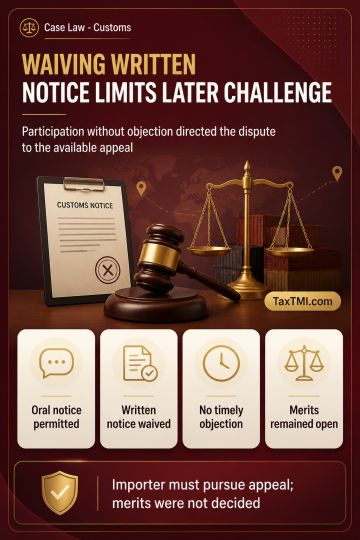
Waiver of written show-cause notice may prevent a later procedural challenge after participation in customs adjudication, preserving statutory appella...
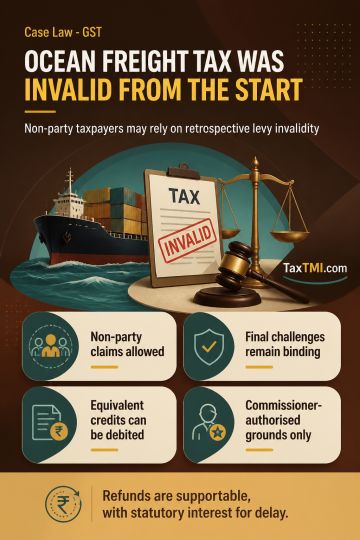
Retrospective invalidity of ocean-freight IGST supports refunds despite non-party status and prior credit utilisation, subject to authorised appeal gr...
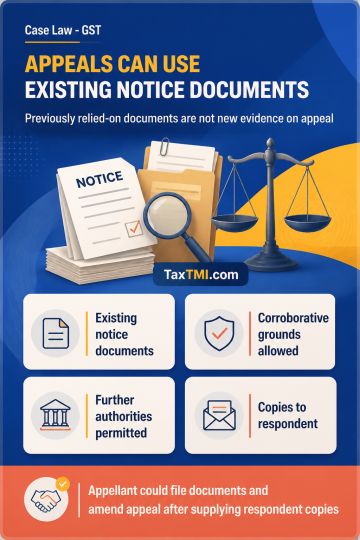
Additional evidence in departmental appeals may include show-cause-notice material without introducing a new case where it merely corroborates existin...
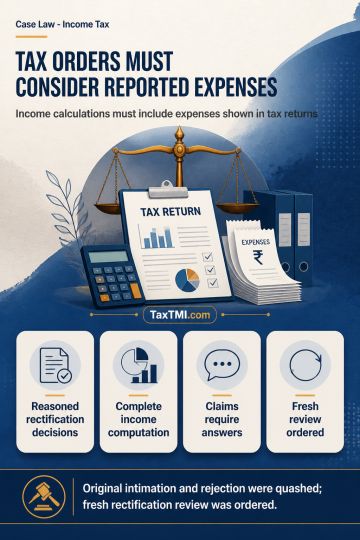
Reasoned rectification orders require consideration of expenditure disclosed in income-tax returns, preventing revision based on incomplete income com...
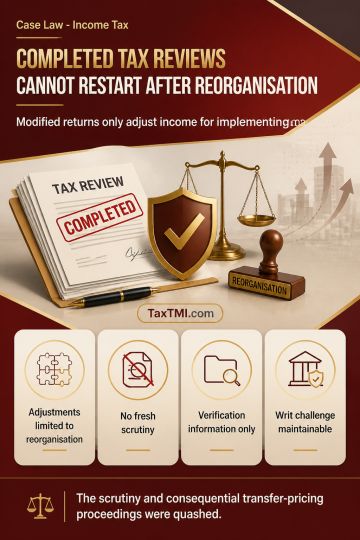
Modified returns after business reorganisations cannot trigger fresh scrutiny once the original assessment was complete, invalidating related transfer...
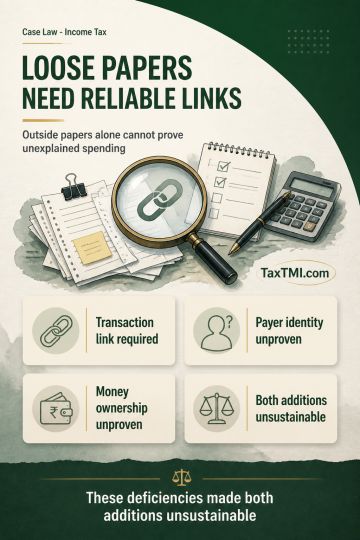
Third-party loose sheets require reliable nexus before supporting unexplained expenditure additions; presumptions do not establish payer identity or o...
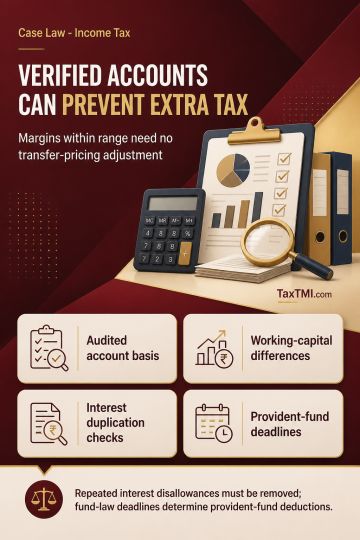
TNMM comparability using audited accounts and working-capital adjustments can eliminate unwarranted transfer-pricing additions where verified margins ...
In faceless assessments involving a reference to the Valuation...
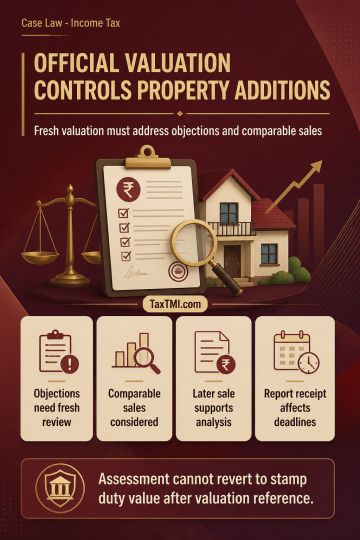
Valuation Officer estimates govern property-value additions once statutory valuation is invoked, requiring fresh consideration of objections and comparables.
Contents
Summary
Note
Bookmark
Share
✓ Copied successfully !
Print
Print Options
For full text, please login
Login to TaxTMI
Verification Pending
The Email Id has not been verified. Click on the link we have sent on
In faceless assessments involving a reference to the Valuation Officer, limitation is computed by reference to the Assessment Unit's receipt of the report through the prescribed channel, not merely the assessee's emailed copy. Exclusion of the reference period and the statutory extension of the remaining period can preserve the assessment's timeliness. For property acquired below stamp duty value, once the statutory valuation process is invoked, assessment must conform to the Valuation Officer's estimate rather than revert to stamp duty value. Methodology objections, comparable sales, independent valuation evidence and a subsequent sale require consideration in a fresh valuation, although later sale evidence is corroborative rather than determinative.
In faceless assessments involving a reference to the Valuation Officer, limitation is computed by reference to the Assessment Unit's receipt of the report through the prescribed channel, not merely the assessee's emailed copy. Exclusion of the reference period and the statutory extension of the remaining period can preserve the assessment's timeliness. For property acquired below stamp duty value, once the statutory valuation process is invoked, assessment must conform to the Valuation Officer's estimate rather than revert to stamp duty value. Methodology objections, comparable sales, independent valuation evidence and a subsequent sale require consideration in a fresh valuation, although later sale evidence is corroborative rather than determinative.
Note: It is a system-generated summary and is for quick reference only.
 TaxTMI
  TaxTMI
 of 4891