Valuation Officer estimates govern property-value additions once statutory valuation is invoked, requiring fresh consideration of objections and compa...
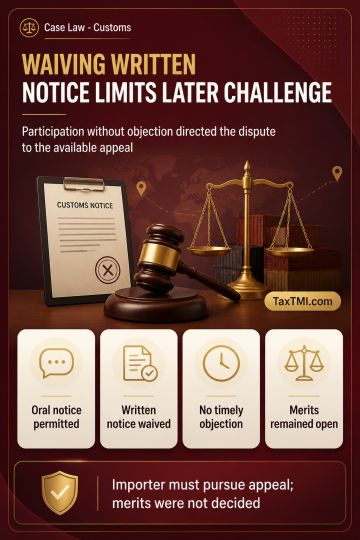
Waiver of written show-cause notice may prevent a later procedural challenge after participation in customs adjudication, preserving statutory appella...
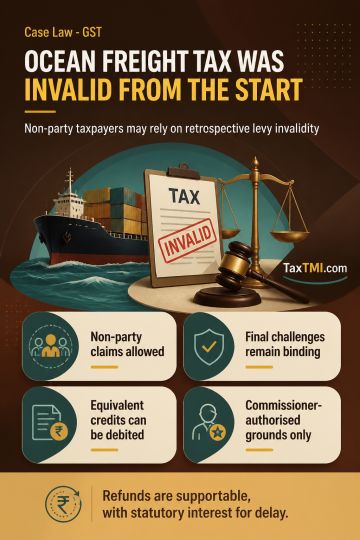
Retrospective invalidity of ocean-freight IGST supports refunds despite non-party status and prior credit utilisation, subject to authorised appeal gr...
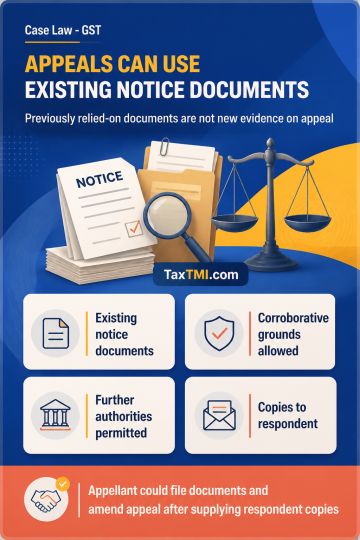
Additional evidence in departmental appeals may include show-cause-notice material without introducing a new case where it merely corroborates existin...
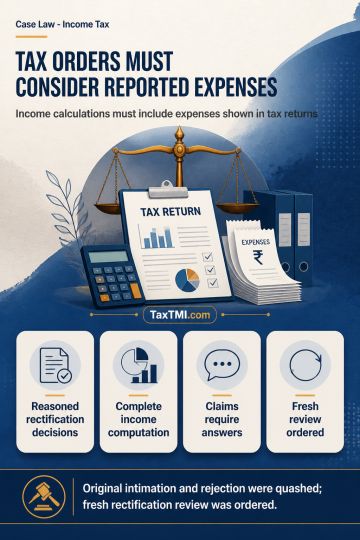
Reasoned rectification orders require consideration of expenditure disclosed in income-tax returns, preventing revision based on incomplete income com...
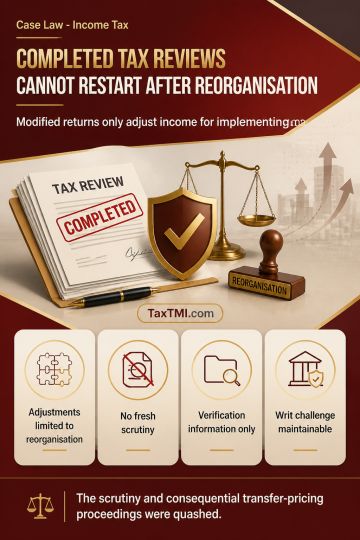
Modified returns after business reorganisations cannot trigger fresh scrutiny once the original assessment was complete, invalidating related transfer...
Third-party loose sheets require reliable nexus before supporting unexplained expenditure additions; presumptions do not establish payer identity or o...
TNMM comparability using audited accounts and working-capital adjustments can eliminate unwarranted transfer-pricing additions where verified margins ...
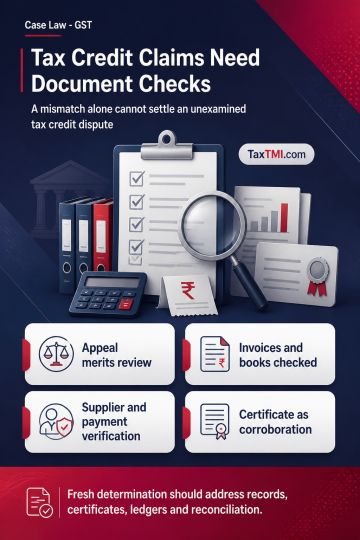
GST appeals should not be rejected solely for non-appearance where sufficient cause exists and the substantive input tax credit dispute remains unexamined. A mismatch between GSTR-3B and GSTR-2A/GSTR-2B does not, by itself, establish wrongful ITC availment; compliance must be verified against invoices, books of account, supplier details, payment records and other transaction evidence. For FY 2017-18 pending proceedings, the applicable verification mechanism should be applied. A subsequently issued CA/CMA certificate may be considered as corroborative evidence if verifiable from contemporaneous records. Fresh determination should address the mismatch, certificate, ledgers and reconciliation before sustaining tax, interest or penalty.
GST appeals should not be rejected solely for non-appearance where sufficient cause exists and the substantive input tax credit dispute remains unexamined. A mismatch between GSTR-3B and GSTR-2A/GSTR-2B does not, by itself, establish wrongful ITC availment; compliance must be verified against invoices, books of account, supplier details, payment records and other transaction evidence. For FY 2017-18 pending proceedings, the applicable verification mechanism should be applied. A subsequently issued CA/CMA certificate may be considered as corroborative evidence if verifiable from contemporaneous records. Fresh determination should address the mismatch, certificate, ledgers and reconciliation before sustaining tax, interest or penalty.
Note: It is a system-generated summary and is for quick reference only.
 TaxTMI
  TaxTMI
 of 4891