Waiver of written show-cause notice may prevent a later procedural challenge after participation in customs adjudication, preserving statutory appella...
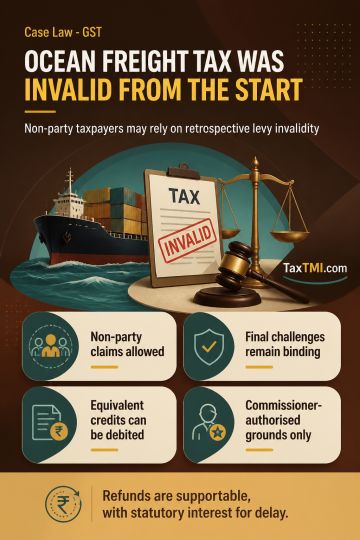
Retrospective invalidity of ocean-freight IGST supports refunds despite non-party status and prior credit utilisation, subject to authorised appeal gr...
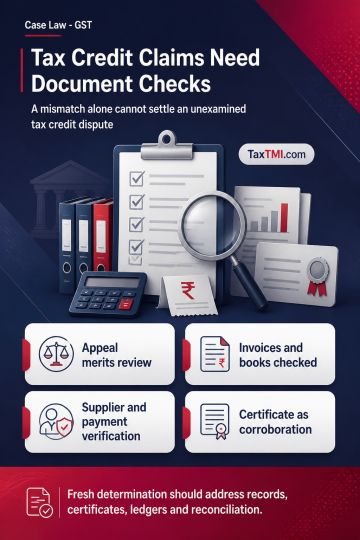
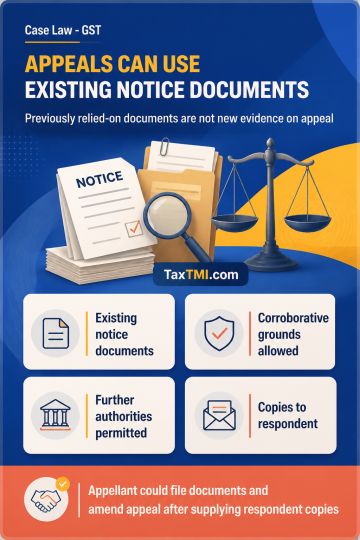
Additional evidence in departmental appeals may include show-cause-notice material without introducing a new case where it merely corroborates existin...
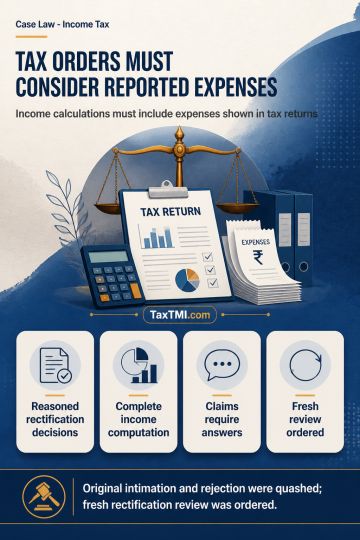
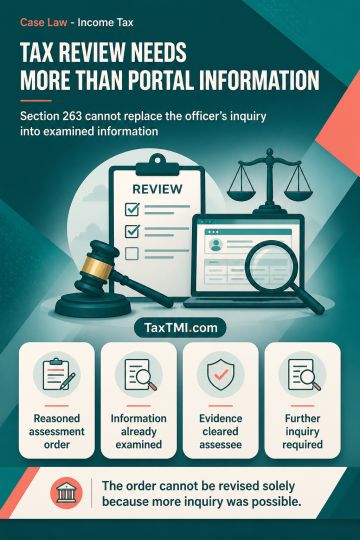
Reasoned rectification orders require consideration of expenditure disclosed in income-tax returns, preventing revision based on incomplete income com...
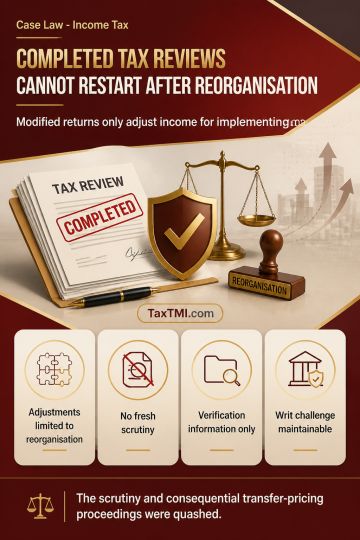
Modified returns after business reorganisations cannot trigger fresh scrutiny once the original assessment was complete, invalidating related transfer...
Third-party loose sheets require reliable nexus before supporting unexplained expenditure additions; presumptions do not establish payer identity or o...
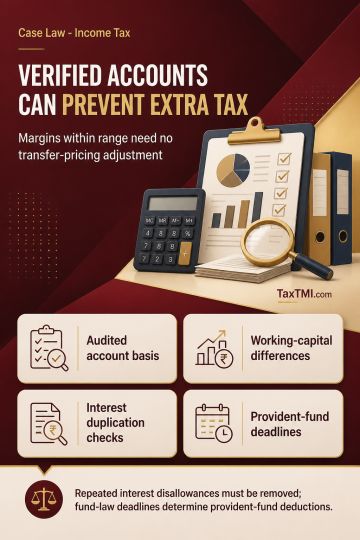
TNMM comparability using audited accounts and working-capital adjustments can eliminate unwarranted transfer-pricing additions where verified margins ...
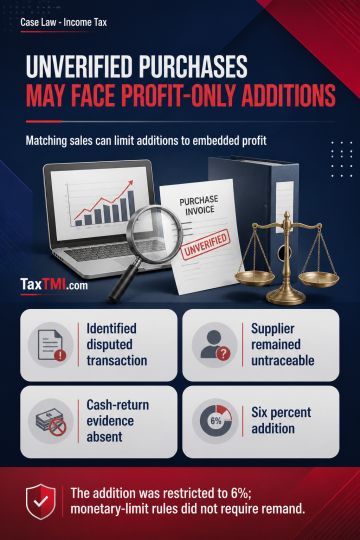
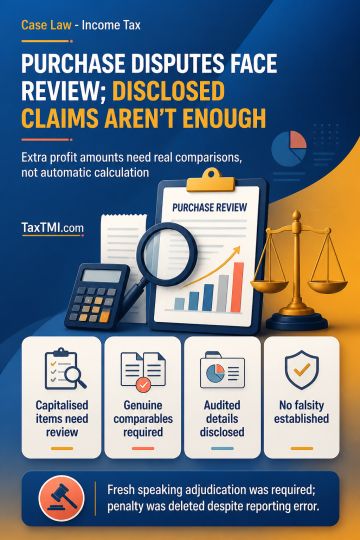
Gross-profit additions on disputed purchases require reasoned appellate determination; disclosed claims alone do not support inaccurate-particulars pe...
Page of 4891
Press 'Enter' after typing page number.
21 to 40 of 97814 Results
❮
❯
❯❯
0 / 200
Expand Note
Add to Folder
No Folders have been created
+
Are you sure you want to delete "My most important" ?
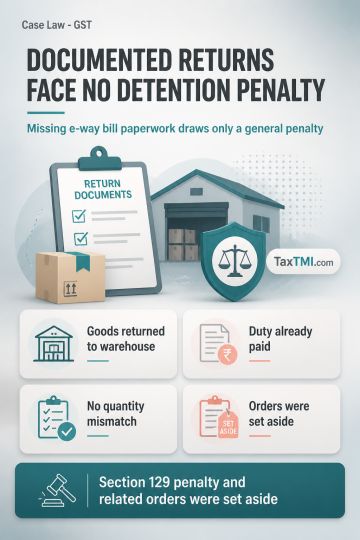
Return transit of duty-paid imported goods to a bonded warehouse after an aborted delivery, supported by import and customs-clearance documents and showing no quantity discrepancy, is treated as a logistical fallback rather than an unrecorded commercial movement. Section 129 detention and confiscatory penalty should not apply to a fresh e-way bill omission where the transaction is accounted for, duty has been paid, and no intent to evade tax or revenue loss exists. Such bona fide transit-documentation defaults attract only the general penalty under Section 125; the Section 129 penalty and related orders were set aside.
Return transit of duty-paid imported goods to a bonded warehouse after an aborted delivery, supported by import and customs-clearance documents and showing no quantity discrepancy, is treated as a logistical fallback rather than an unrecorded commercial movement. Section 129 detention and confiscatory penalty should not apply to a fresh e-way bill omission where the transaction is accounted for, duty has been paid, and no intent to evade tax or revenue loss exists. Such bona fide transit-documentation defaults attract only the general penalty under Section 125; the Section 129 penalty and related orders were set aside.
Note: It is a system-generated summary and is for quick reference only.
 TaxTMI
  TaxTMI
 of 4891