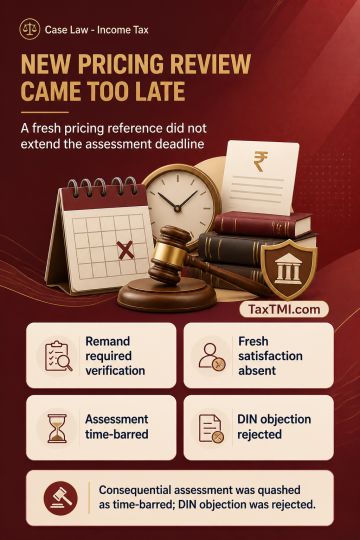
Limitation after transfer-pricing remand: fresh TPO reference did not extend the assessment deadline, rendering the consequential assessment time-barr...
Interim judicial restraint on tax deduction prevents default, while supporting reasonable cause and penalty deletion for foreign-leg LFC reimbursement...
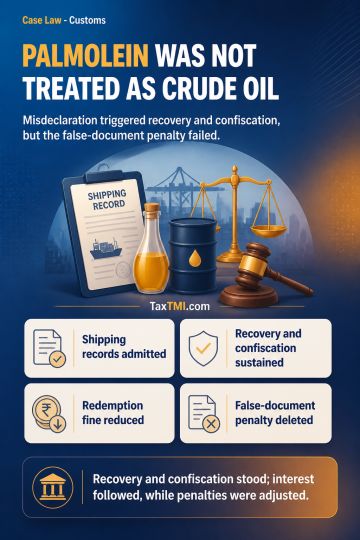
Palmolein classification defeated the crude-oil concession; material misdeclaration sustained recovery and confiscation, while separate false-document...
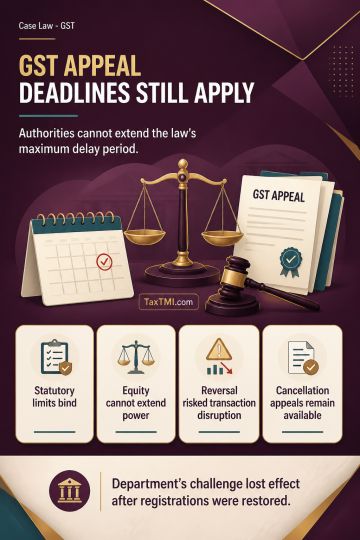
Statutory appellate authorities may condone delay in GST appeals only within the enactment's prescribed outer limit; equitable considerations or High Court directions issued under extraordinary jurisdiction cannot enlarge that power. Where the Department implemented an appellate order by restoring cancelled GST registrations, its subsequent challenge became infructuous because reversal could disrupt intervening transactions and input tax credit without workable consequential relief. Taxpayers retain an independent right to appeal registration cancellation when the common portal prevents a delayed revocation application; failure to seek revocation under Rule 23 does not extinguish that appellate remedy.
Statutory appellate authorities may condone delay in GST appeals only within the enactment's prescribed outer limit; equitable considerations or High Court directions issued under extraordinary jurisdiction cannot enlarge that power. Where the Department implemented an appellate order by restoring cancelled GST registrations, its subsequent challenge became infructuous because reversal could disrupt intervening transactions and input tax credit without workable consequential relief. Taxpayers retain an independent right to appeal registration cancellation when the common portal prevents a delayed revocation application; failure to seek revocation under Rule 23 does not extinguish that appellate remedy.
Note: It is a system-generated summary and is for quick reference only.
 TaxTMI
  TaxTMI
 of 4891