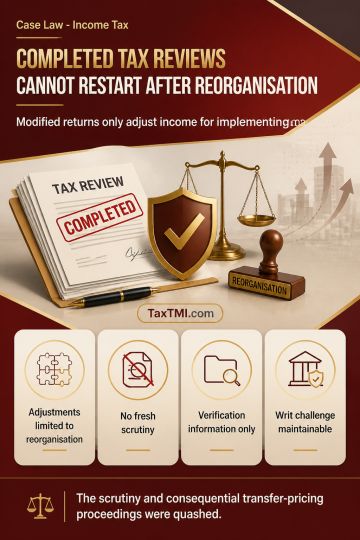
Modified returns after business reorganisations cannot trigger fresh scrutiny once the original assessment was complete, invalidating related transfer...
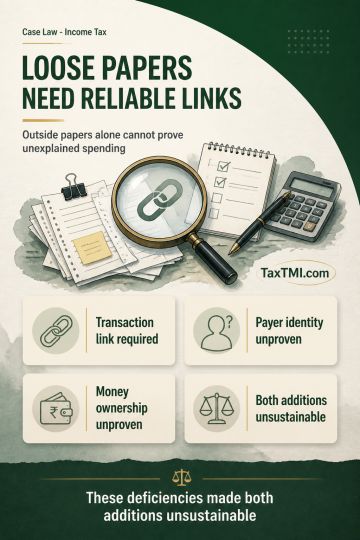
Third-party loose sheets require reliable nexus before supporting unexplained expenditure additions; presumptions do not establish payer identity or o...
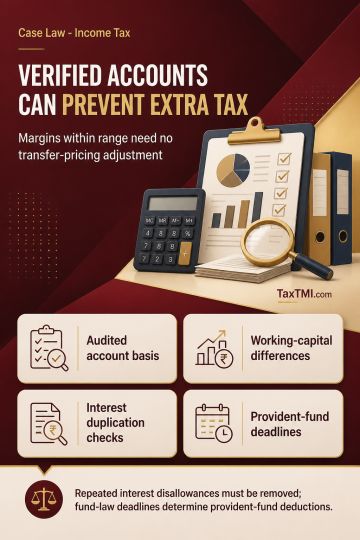
TNMM comparability using audited accounts and working-capital adjustments can eliminate unwarranted transfer-pricing additions where verified margins ...
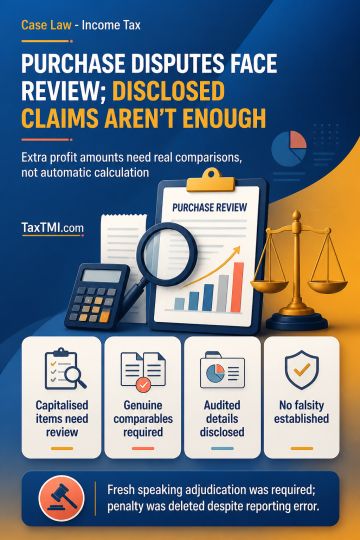
Gross-profit additions on disputed purchases require reasoned appellate determination; disclosed claims alone do not support inaccurate-particulars pe...
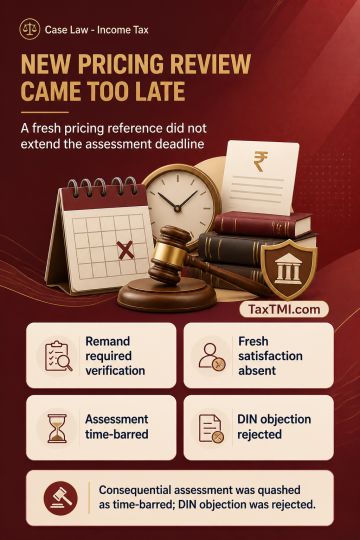
Limitation after transfer-pricing remand: fresh TPO reference did not extend the assessment deadline, rendering the consequential assessment time-barr...
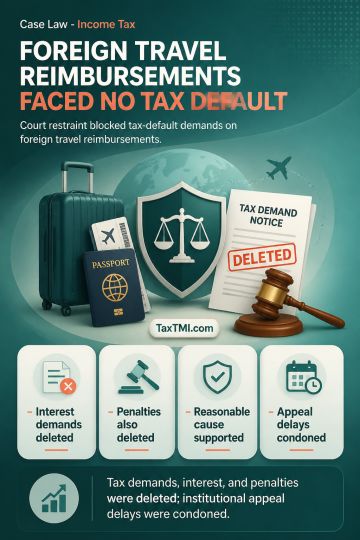
Interim judicial restraint on tax deduction prevents default, while supporting reasonable cause and penalty deletion for foreign-leg LFC reimbursement...
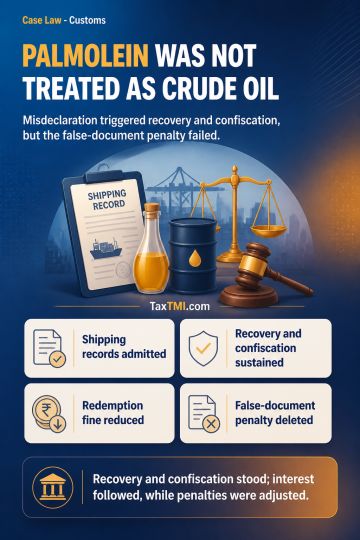
Palmolein classification defeated the crude-oil concession; material misdeclaration sustained recovery and confiscation, while separate false-document...
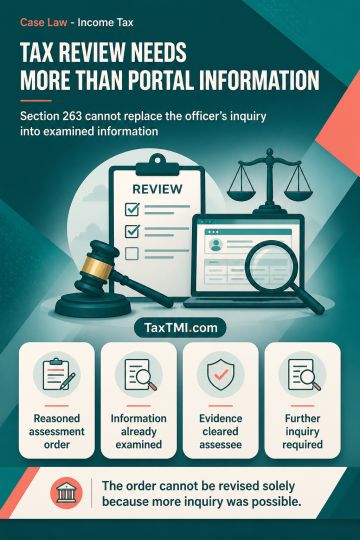
Revisional jurisdiction under section 263 requires an assessment order to be both erroneous and prejudicial to Revenue interests. Revision cannot rest merely on Insight Portal information that the Assessing Officer already examined during reassessment, where the officer considered explanations and supporting evidence showing that the alleged accommodation-entry transactions did not concern the assessee. The revisional authority must identify discrepancies in the material examined or conduct further inquiry; it cannot substitute its view merely because additional inquiry was possible. Sufficient inquiry by the Assessing Officer distinguishes an impermissible review for allegedly inadequate inquiry from a valid revision based on lack of inquiry.
Revisional jurisdiction under section 263 requires an assessment order to be both erroneous and prejudicial to Revenue interests. Revision cannot rest merely on Insight Portal information that the Assessing Officer already examined during reassessment, where the officer considered explanations and supporting evidence showing that the alleged accommodation-entry transactions did not concern the assessee. The revisional authority must identify discrepancies in the material examined or conduct further inquiry; it cannot substitute its view merely because additional inquiry was possible. Sufficient inquiry by the Assessing Officer distinguishes an impermissible review for allegedly inadequate inquiry from a valid revision based on lack of inquiry.
Note: It is a system-generated summary and is for quick reference only.
 TaxTMI
  TaxTMI
 of 4894