Transfer-pricing aggregation of distinct support-service and subcontract transactions was rejected, while debt-free receivables attracted no notional ...
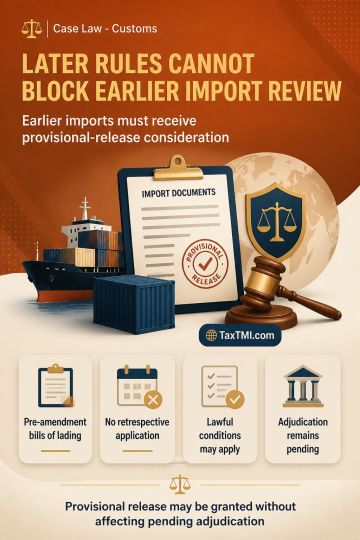
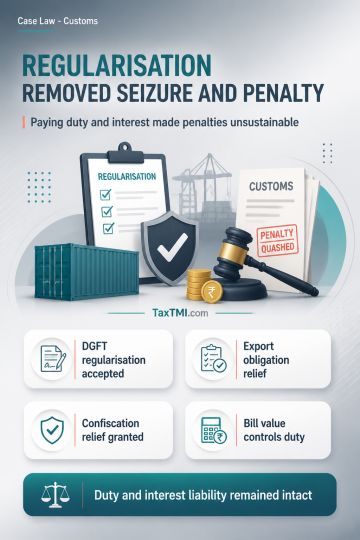
Customs exemptions cover photovoltaic assembly machinery and PVF backsheets, while fully declared cleared imports may avoid confiscation and penalties...
Specific tariff classification for LCD devices overrides treatment as electricity-meter parts, defeating differential duty, extended limitation, and p...
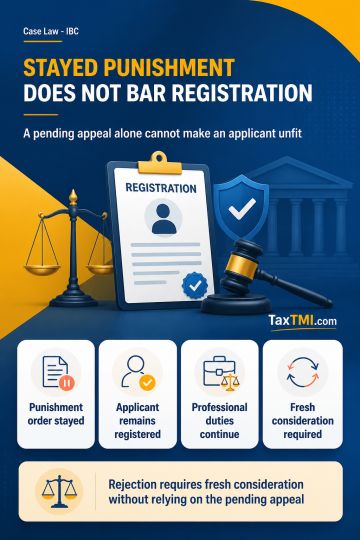
Stayed disciplinary punishment does not establish unfitness for insolvency professional registration; reconsideration must disregard mere pendency of ...
Page of 4897
Press 'Enter' after typing page number.
401 to 420 of 97923 Results
❮
❯
❯❯
0 / 200
Expand Note
Add to Folder
No Folders have been created
+
Are you sure you want to delete "My most important" ?
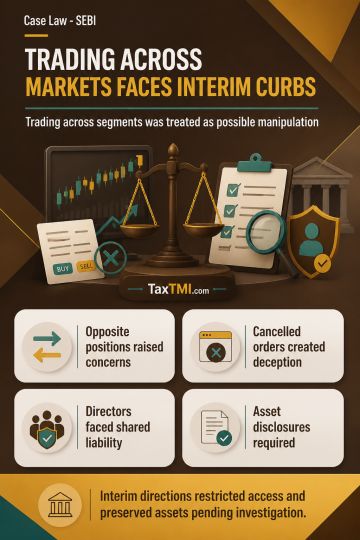
Cross-segment derivatives trading was treated prima facie as manipulative where connected companies moved futures prices through aggressive orders while holding larger, sentimentally opposite options positions and pre-positioned options orders. Artificial futures-price movements enabled favourable options execution, while cancelled, inexecutable futures orders added deceptive order-book depth. Repeated deliberate futures losses coupled with greater options gains were considered inconsistent with legitimate hedging, arbitrage, speculation, or rational profit-maximising conduct. Company directors responsible for business conduct faced a rebuttable presumption of vicarious liability and joint-and-several impounding of gains attributable to their companies. Interim directions restricted market access, preserved assets and gains, and required asset disclosures pending investigation.
Cross-segment derivatives trading was treated prima facie as manipulative where connected companies moved futures prices through aggressive orders while holding larger, sentimentally opposite options positions and pre-positioned options orders. Artificial futures-price movements enabled favourable options execution, while cancelled, inexecutable futures orders added deceptive order-book depth. Repeated deliberate futures losses coupled with greater options gains were considered inconsistent with legitimate hedging, arbitrage, speculation, or rational profit-maximising conduct. Company directors responsible for business conduct faced a rebuttable presumption of vicarious liability and joint-and-several impounding of gains attributable to their companies. Interim directions restricted market access, preserved assets and gains, and required asset disclosures pending investigation.
Note: It is a system-generated summary and is for quick reference only.
 TaxTMI
  TaxTMI
 of 4897