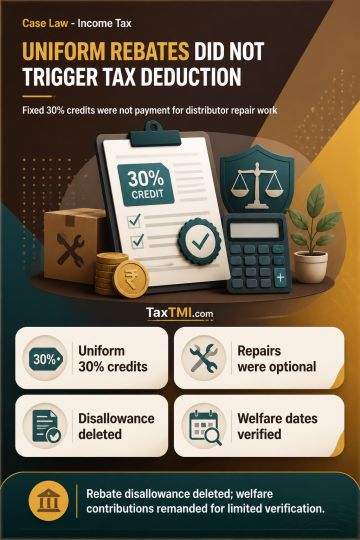
Capital-gains exemption for charitable trusts extends to qualifying fixed deposits, while unrecoverable TDS write-offs may constitute income applicati...
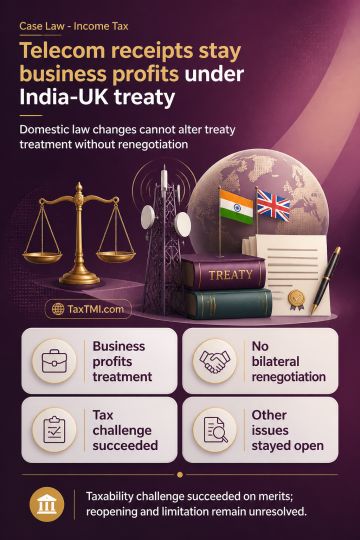
India-UK treaty characterisation of telecom-service receipts as business profits withstands unilateral domestic-law amendments for Indian tax purposes...
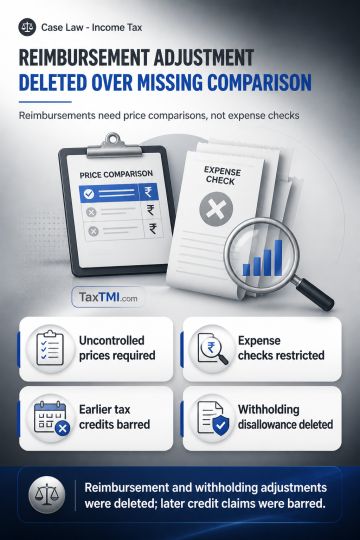
Transfer-pricing reimbursement adjustments require uncontrolled comparables and cannot become expense-genuineness reviews, resulting in deletion of th...
Page of 4881
Press 'Enter' after typing page number.
281 to 300 of 97618 Results
❮
❯
❯❯
0 / 200
Expand Note
Add to Folder
No Folders have been created
+
Are you sure you want to delete "My most important" ?
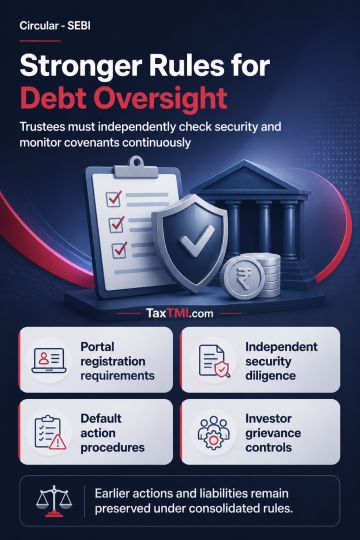
Master Circular consolidates the regulatory framework for debenture trustees and rescinds the earlier master circular while preserving prior actions, rights, liabilities, penalties, proceedings and pending applications. It requires portal-based registration requests and prior approval for change in control, and regulates business transfers, surrender, regulatory communications, and non-regulated activities through ring-fenced separate business units. Trustees must independently conduct security due diligence, issue prescribed certificates, validate charge creation and registration, and continuously monitor security cover, covenants, payments, ratings and defaults through the depository-hosted Security and Covenant Monitoring System. Issuers proposing listed debt securities must establish a Recovery Expense Fund for enforcement costs. The framework also prescribes disclosures, investor grievance handling, default remedies, investor-consent processes, compliance reporting, outsourcing controls, conflict management and suspicious-transaction reporting.
Master Circular consolidates the regulatory framework for debenture trustees and rescinds the earlier master circular while preserving prior actions, rights, liabilities, penalties, proceedings and pending applications. It requires portal-based registration requests and prior approval for change in control, and regulates business transfers, surrender, regulatory communications, and non-regulated activities through ring-fenced separate business units. Trustees must independently conduct security due diligence, issue prescribed certificates, validate charge creation and registration, and continuously monitor security cover, covenants, payments, ratings and defaults through the depository-hosted Security and Covenant Monitoring System. Issuers proposing listed debt securities must establish a Recovery Expense Fund for enforcement costs. The framework also prescribes disclosures, investor grievance handling, default remedies, investor-consent processes, compliance reporting, outsourcing controls, conflict management and suspicious-transaction reporting.
Note: It is a system-generated summary and is for quick reference only.
 TaxTMI
  TaxTMI
 of 4881