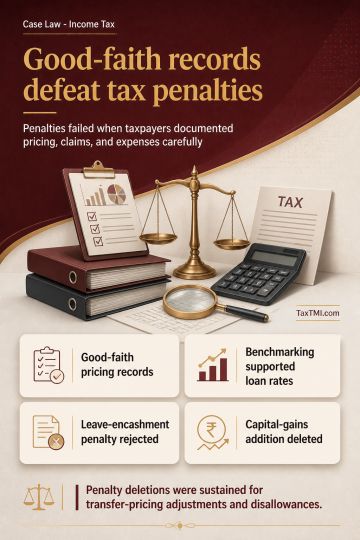
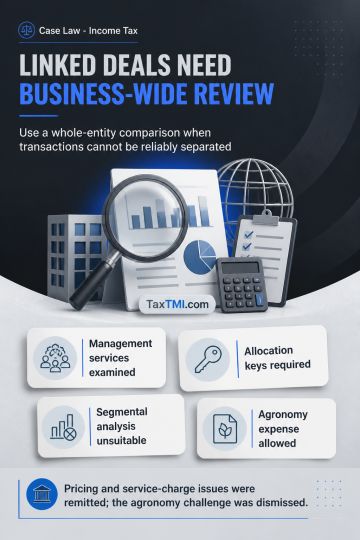
Inaccurate-particulars penalties fail where transfer-pricing documentation shows good faith and due diligence, and underlying capital-gains additions ...
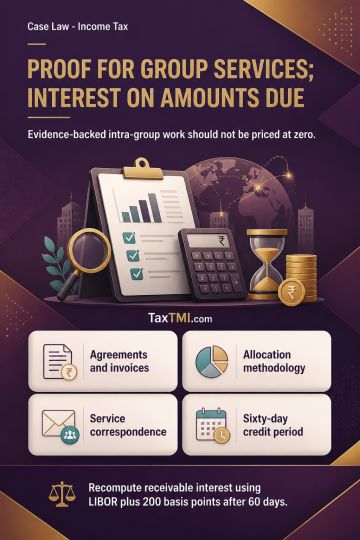
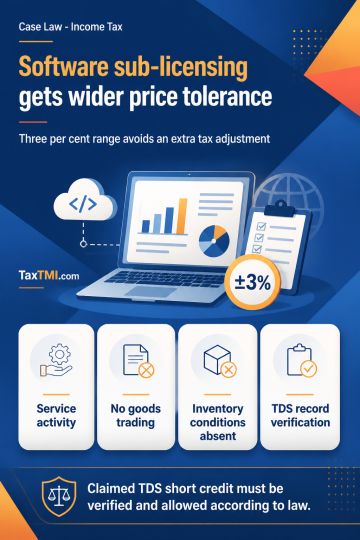
Transfer-pricing tolerance for software sub-licensing falls within the services range, eliminating the adjustment and requiring TDS-credit verificatio...
Customs Broker due diligence requires prescribed KYC, not detecting misdeclarations discoverable only through physical examination, defeating licence ...
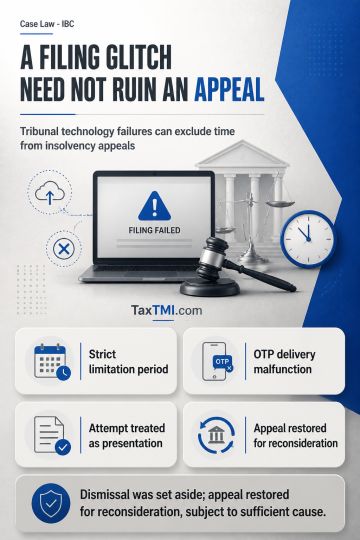
E-filing system failure permits exclusion of affected time in insolvency appeals, preventing tribunal technology defects from defeating timely filings...
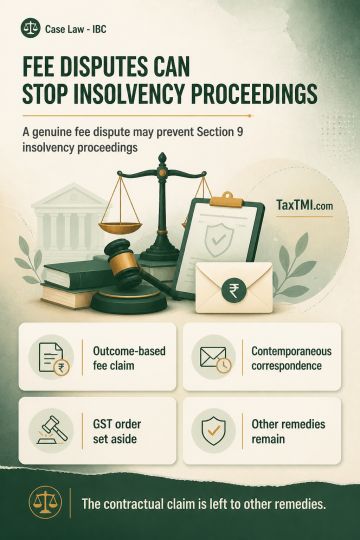
Pre-existing disputes over outcome-based professional fees can bar Section 9 insolvency proceedings where contractual entitlement requires investigati...
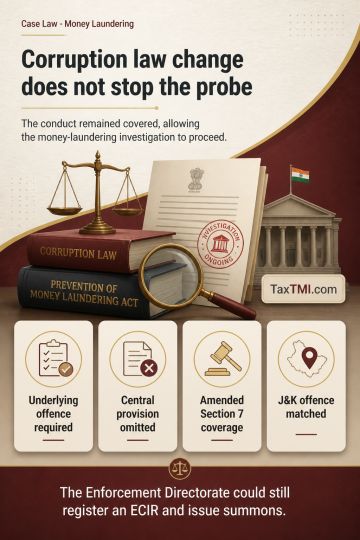
Corresponding scheduled offences preserve money-laundering jurisdiction despite repeal of the central corruption provision where conduct remains cover...
Page of 4888
Press 'Enter' after typing page number.
741 to 760 of 97755 Results
❮
❯
❯❯
0 / 200
Expand Note
Add to Folder
No Folders have been created
+
Are you sure you want to delete "My most important" ?
Section 122(1A) of the CGST Act may impose a penalty on any person, including an unregistered or non-taxable person, rather than only a taxable person. It applies only where a specified contravention under Section 122(1) is established and it is independently proved that the person retained the transaction's benefit and that the transaction occurred at that person's instance. As a penal provision, it operates prospectively for underlying acts or transactions occurring from 1 January 2021, rather than by reference to the show-cause notice date. Statutory appeals remain available for fact-specific findings despite writ determination of recurring legal questions.
Section 122(1A) of the CGST Act may impose a penalty on any person, including an unregistered or non-taxable person, rather than only a taxable person. It applies only where a specified contravention under Section 122(1) is established and it is independently proved that the person retained the transaction's benefit and that the transaction occurred at that person's instance. As a penal provision, it operates prospectively for underlying acts or transactions occurring from 1 January 2021, rather than by reference to the show-cause notice date. Statutory appeals remain available for fact-specific findings despite writ determination of recurring legal questions.
Note: It is a system-generated summary and is for quick reference only.
 TaxTMI
  TaxTMI
 of 4888