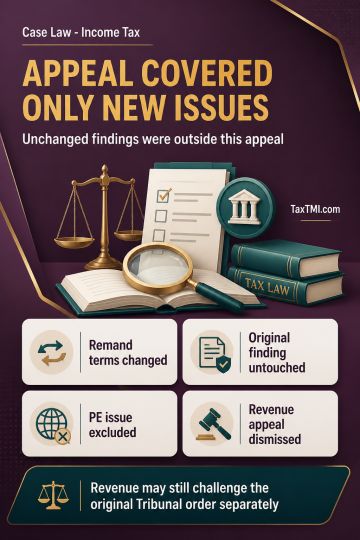
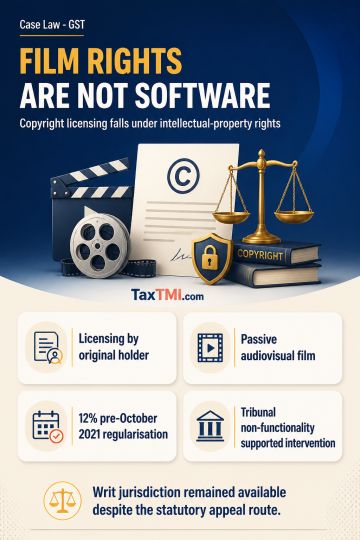
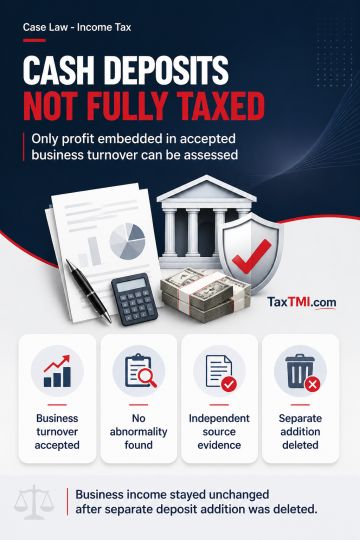
Questions arising from miscellaneous application orders cannot challenge unaltered Tribunal findings, leaving the original order separately challengea...
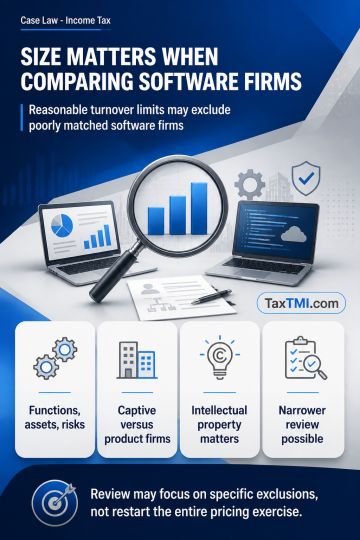
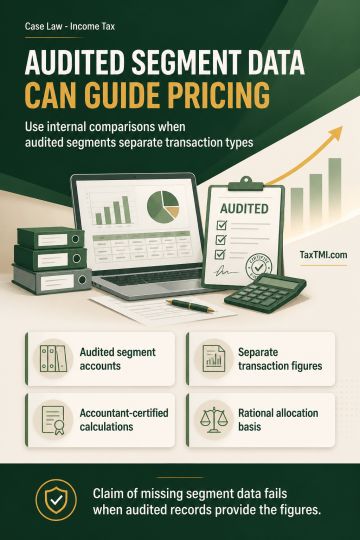
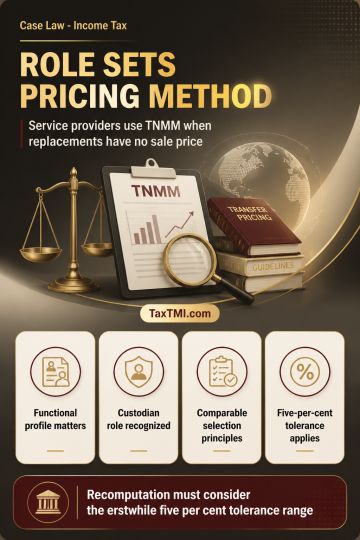
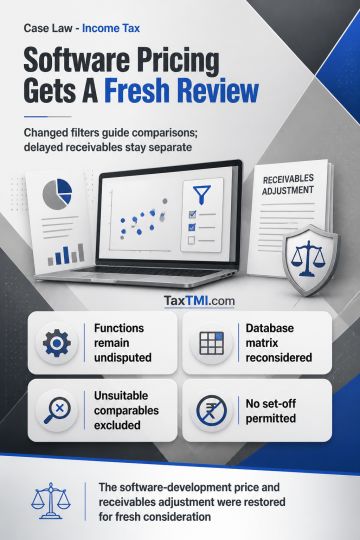
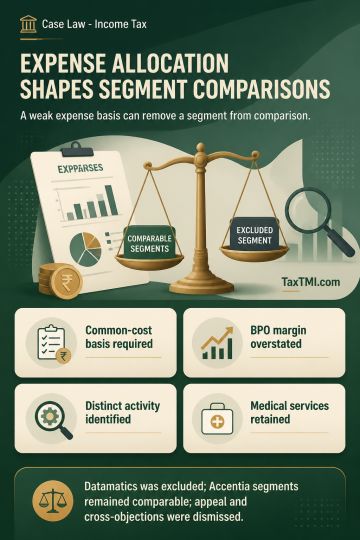
Transfer-pricing comparability filters require fresh arm's-length analysis, while delayed receivables need separate reconsideration with working-capit...
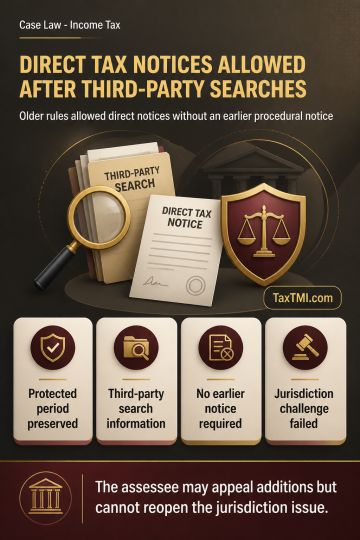
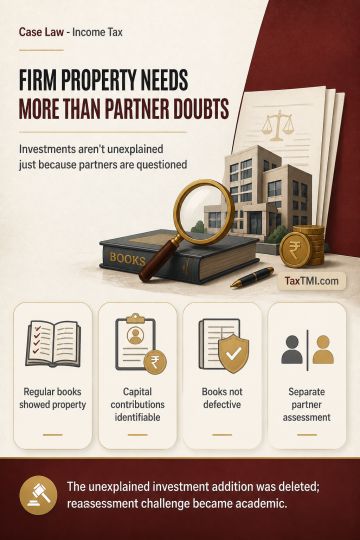
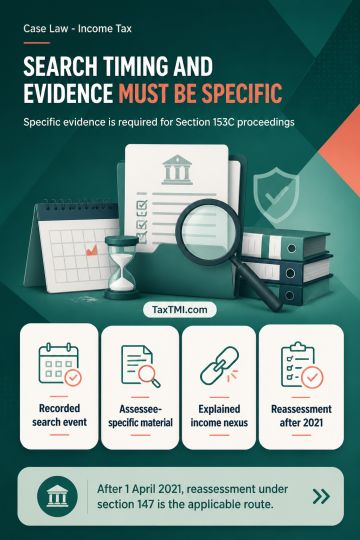
Section 153C jurisdiction requires timely deemed search and assessee-specific satisfaction material; otherwise reassessment must use the proper statut...
Section 122(1A) of the CGST Act may impose a penalty on any person, including an unregistered or non-taxable person, rather than only a taxable person. It applies only where a specified contravention under Section 122(1) is established and it is independently proved that the person retained the transaction's benefit and that the transaction occurred at that person's instance. As a penal provision, it operates prospectively for underlying acts or transactions occurring from 1 January 2021, rather than by reference to the show-cause notice date. Statutory appeals remain available for fact-specific findings despite writ determination of recurring legal questions.
Section 122(1A) of the CGST Act may impose a penalty on any person, including an unregistered or non-taxable person, rather than only a taxable person. It applies only where a specified contravention under Section 122(1) is established and it is independently proved that the person retained the transaction's benefit and that the transaction occurred at that person's instance. As a penal provision, it operates prospectively for underlying acts or transactions occurring from 1 January 2021, rather than by reference to the show-cause notice date. Statutory appeals remain available for fact-specific findings despite writ determination of recurring legal questions.
Note: It is a system-generated summary and is for quick reference only.
 TaxTMI
  TaxTMI
 of 4886