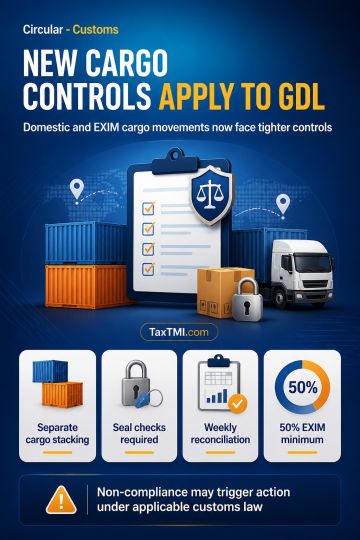
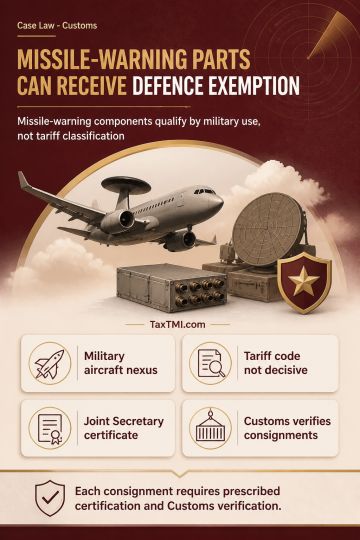
Customs-controlled cargo movement now includes GDL, subject to EXIM prioritisation, segregation, verification, reconciliation and enforcement safeguar...
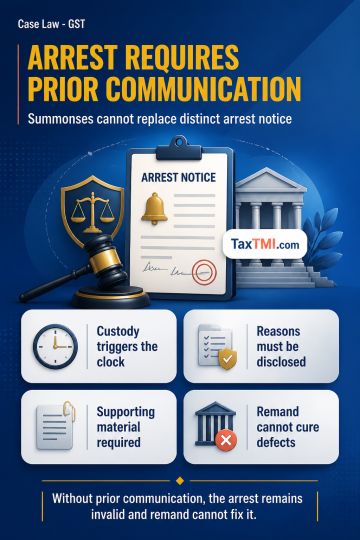
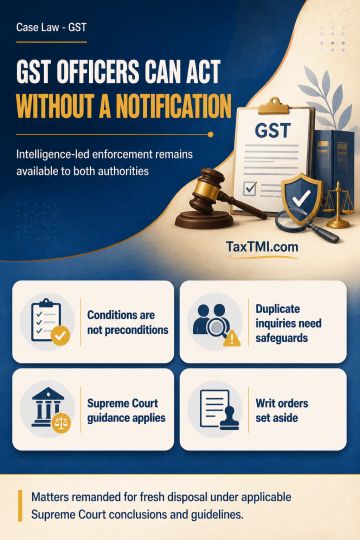
GST cross-empowerment remains effective without conditional notification, while duplicate proceedings require established safeguards against overlappi...
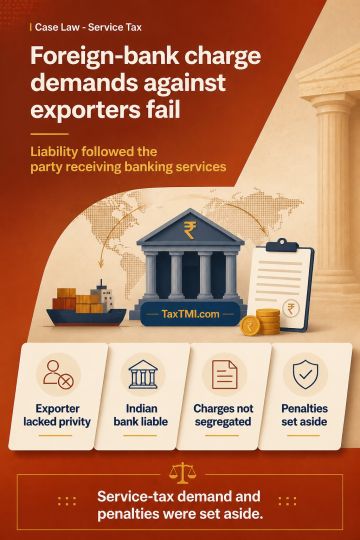
Reverse-charge service tax on foreign-bank charges in export transactions depends on who received the banking service. Where the exporter lacked privity with the foreign bank and export proceeds were routed through an Indian bank, the Indian bank was identified as the service recipient liable under reverse charge. A demand that combined banking charges and overseas commissions without segregation was unsustainable. Audit based on the exporter's records, absence of evidence of mala fide intent, and availability of input tax credit supported revenue neutrality; fraud or suppression could not justify the extended limitation period or equal penalty. The service-tax demand and penalties were set aside.
Reverse-charge service tax on foreign-bank charges in export transactions depends on who received the banking service. Where the exporter lacked privity with the foreign bank and export proceeds were routed through an Indian bank, the Indian bank was identified as the service recipient liable under reverse charge. A demand that combined banking charges and overseas commissions without segregation was unsustainable. Audit based on the exporter's records, absence of evidence of mala fide intent, and availability of input tax credit supported revenue neutrality; fraud or suppression could not justify the extended limitation period or equal penalty. The service-tax demand and penalties were set aside.
Note: It is a system-generated summary and is for quick reference only.
 TaxTMI
  TaxTMI