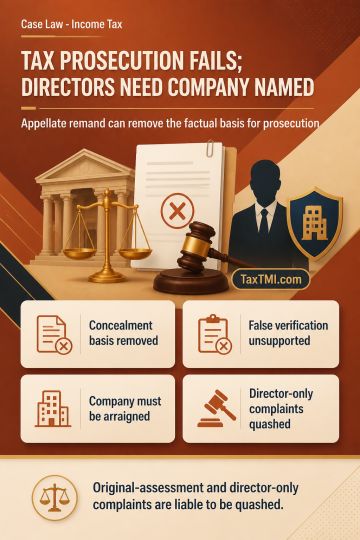
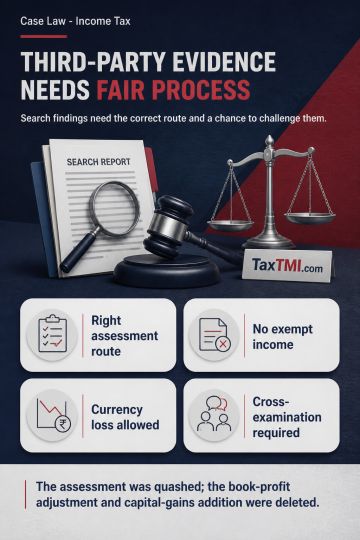
Income-tax prosecution fails when appellate remand removes its factual foundation; directors require company arraignment for vicarious criminal liabil...
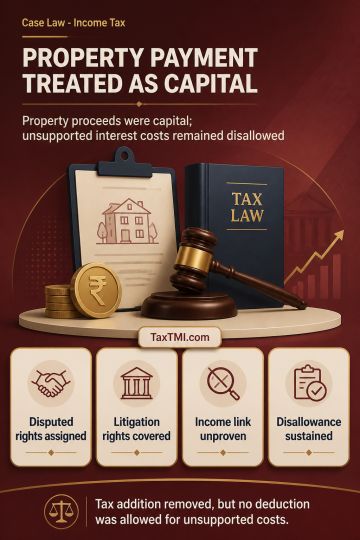
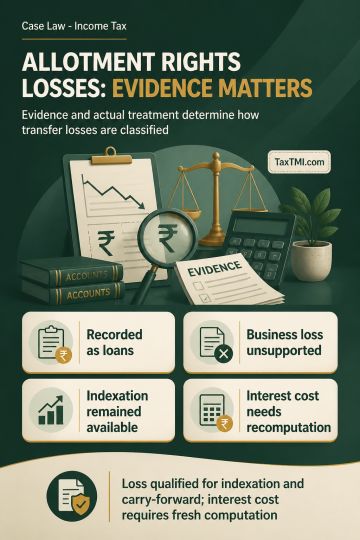
Capital character of assignment consideration prevents taxation as residuary income, while unsupported interest-related expenditure remains non-deduct...
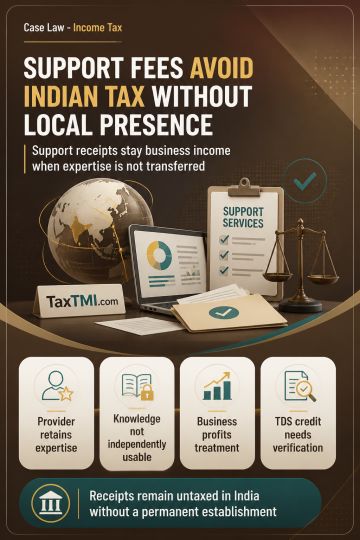
Make-available condition shields regional support-service receipts from Indian taxation where no independent capability or permanent establishment exi...
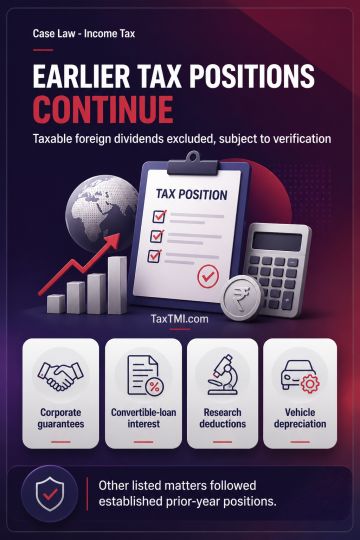
Transfer-pricing treatment of corporate guarantees and convertible loans followed prior-year consistency, with taxable foreign dividends excluded from...
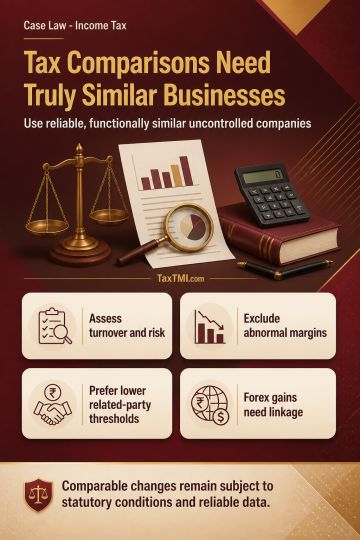
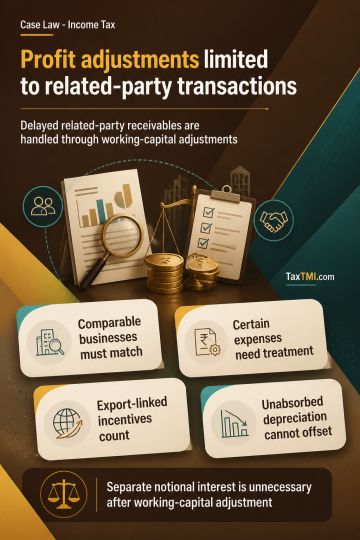
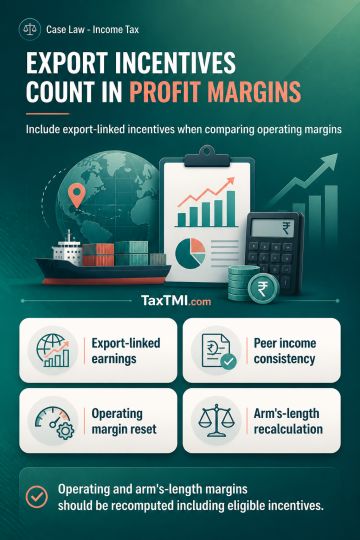
Transfer-pricing benchmarking confines adjustments to associated-enterprise transactions and integrates delayed receivables through TNMM working-capit...
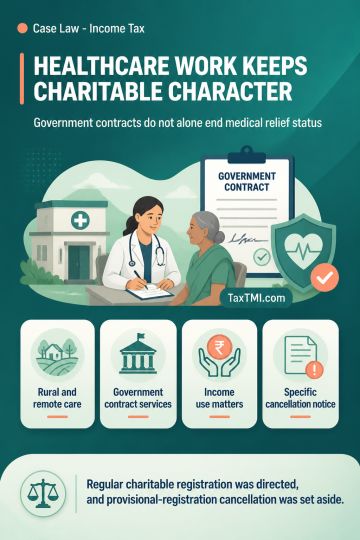
Medical relief status protects government-contracted mobile healthcare from commercial classification, while provisional registration cancellation req...
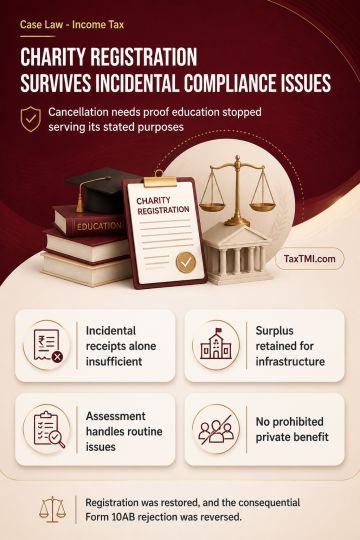
Charitable registration cancellation requires proof that educational activities abandoned their objects; incidental receipts and retained surplus are ...
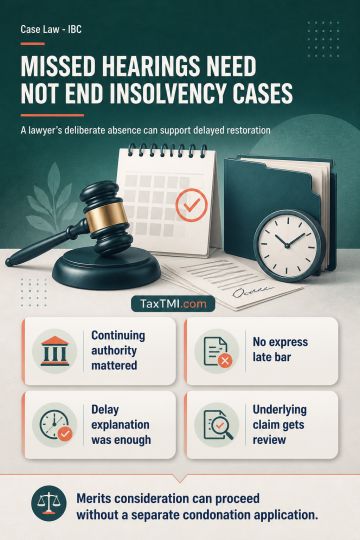
Restoration of an insolvency application dismissed for non-prosecution can be supported by sufficient cause where former counsel deliberately failed to appear or enable substitution despite a continuing vakalatnama; that default should not be attributed to the litigant. Rule 48(2) of the NCLT Rules prescribes a 30-day restoration period but does not expressly prohibit a later recall request. Section 238A applies the Limitation Act, as far as may be, to insolvency proceedings, allowing Section 5 condonation on sufficient cause. Where the restoration request itself explains the delay, a separate condonation application is unnecessary, permitting merits consideration of the underlying claim.
Restoration of an insolvency application dismissed for non-prosecution can be supported by sufficient cause where former counsel deliberately failed to appear or enable substitution despite a continuing vakalatnama; that default should not be attributed to the litigant. Rule 48(2) of the NCLT Rules prescribes a 30-day restoration period but does not expressly prohibit a later recall request. Section 238A applies the Limitation Act, as far as may be, to insolvency proceedings, allowing Section 5 condonation on sufficient cause. Where the restoration request itself explains the delay, a separate condonation application is unnecessary, permitting merits consideration of the underlying claim.
Note: It is a system-generated summary and is for quick reference only.
 TaxTMI
  TaxTMI
 of 4891