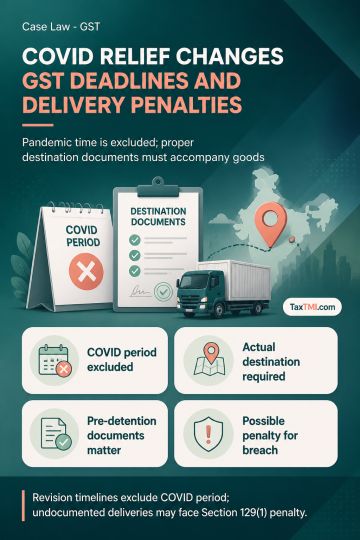
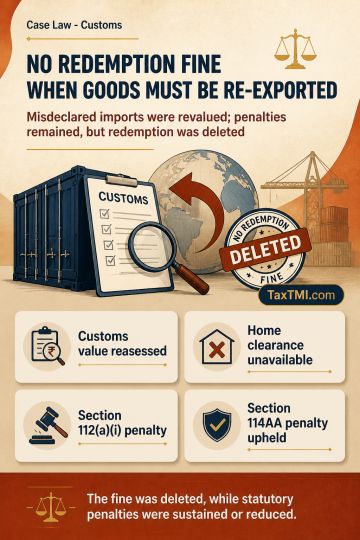
COVID-19 limitation exclusion and destination-specific e-way bills govern revisional timelines and penalties for undocumented third-party plywood deli...
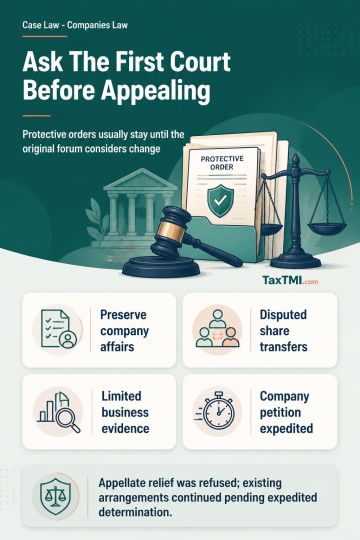
Questions arising from miscellaneous application orders cannot challenge unaltered Tribunal findings, leaving the original order separately challengea...
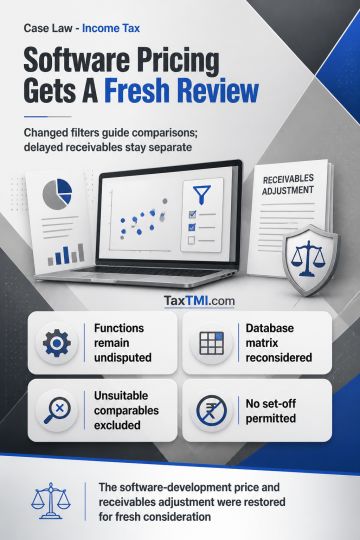
Transfer-pricing comparability filters require fresh arm's-length analysis, while delayed receivables need separate reconsideration with working-capit...
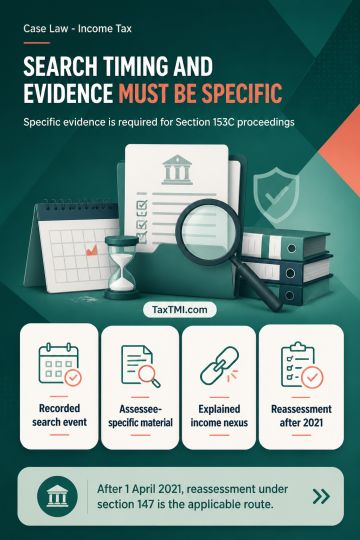
Section 153C jurisdiction requires timely deemed search and assessee-specific satisfaction material; otherwise reassessment must use the proper statut...
Statutory appellate jurisdiction over refusal of court-ordered interim measures remains exclusively with the court designated under the Arbitration and Conciliation Act. An Arbitral Tribunal's power to grant interim measures cannot be converted into appellate jurisdiction over a court's interim-measure order, even with party consent. Accordingly, remitting a pending statutory appeal to a subsequently constituted Tribunal for treatment as an interim-measures application was set aside. Following the Tribunal's constitution, parties may independently seek legally available interim protection before it, while remaining disputes proceed to arbitration.
Statutory appellate jurisdiction over refusal of court-ordered interim measures remains exclusively with the court designated under the Arbitration and Conciliation Act. An Arbitral Tribunal's power to grant interim measures cannot be converted into appellate jurisdiction over a court's interim-measure order, even with party consent. Accordingly, remitting a pending statutory appeal to a subsequently constituted Tribunal for treatment as an interim-measures application was set aside. Following the Tribunal's constitution, parties may independently seek legally available interim protection before it, while remaining disputes proceed to arbitration.
Note: It is a system-generated summary and is for quick reference only.
 TaxTMI
  TaxTMI
 of 4881